| 字: | shì zuǎn | |||||||||||
| 网笔号: | jiǎn wén huáng dì | |||||||||||
| 庙号: | tài zōng | |||||||||||
| 陵墓: | zhuāng líng | |||||||||||
阅读xiāo gāng Xiao Gang在诗海的作品!!! | ||||||||||||
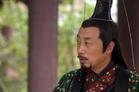 萧纲
萧纲548 nián hóu jǐng pàn luàn, gōng xiàn tái chéng hòu, liáng wǔ dì yú 549 nián yōu fèn 'ér sǐ, dàn shì hóu jǐng rèn wéi mù qián réng rán bù néng zì lì wéi huáng dì, biàn yōng lì
liáng dài wén xué jiā。 jí nán cháo liáng jiǎn wén dì。 zì shì zuǎn。 nán lán líng( jīn jiāng sū wǔ jìn) rén。 liáng wǔ dì dì sān zǐ。 yóu yú cháng xiōng xiāo tǒng zǎo sǐ , tā zài zhōng dà tōng sān nián (531) bèi lì wéi tài zǐ。 tài qīng sān nián (549), hóu jǐng zhī luàn, liáng wǔ dì bèi qiú 'è sǐ ,
zì dōng jìn nán qiān yǐ lái, hàn zú zhèng quán piān 'ān jiāng zuǒ, lì dài suī jiànhuò yòu fèn fā yòu wéi de jūn zhù, dàn dà duō shù dì wáng guì zú dū 'ān yú yì lè, zòng qíng shēng sè。 fǎn yìng zài wén xué chuàng zuò shàng, biàn wǎng wǎng yǐ fú yàn de cí jù lái biǎo xiàn kōng xū fàng dàng de nèi róng。
dāng shí wén rén chuàng zuò , yǐ yòu bù shǎo yǐ biān sài wéi zhù tí de yuèfǔ shī ,
jīng yī, zhù yòu《 mù yù jīng》 sān juàn、《 rú yì fāng》 shí juàn, jūn yì。
yī qí liáng shí dài, suī rán zhěng gè shè huì gēngtì dié dài、 dòng dàng bù níng, dàn shì nán cháo piān 'ān jiāng zuǒ, yòu bǐ běi cháo 'ān dìng de shè huì huán jìng, nóng yè、 shǒu gōng yè fā zhǎn, jīng jì fán róng dài lái liǎo rén kǒu chóu mì de shāng yè dū shì, zài wù zhì shēng huó xiāng duì fù zú de jī chǔ shàng, nán cháo jūn chén rì yì huāng yín fǔ xiǔ, dān yú jiǔ sè。 dì wáng huāng yín fàng dàng de shēng huó wéi gōng tǐ shī de chǎn shēng tí gōng liǎo tǔ rǎng hé shēng huó jī chǔ。 tóng shí, wén bǐ shuō hé shēng lǜ lùn de chǎn shēng, shǐ wén xué hèshī gē xíng shì qū yú dú lì, wén xué chuàng zuò jìn rù yī gè gèng wéi zì jué gèng wéi jiě fàng de shí qī。 shī rén hèshī gē zuò pǐn dà liàng chǎn shēng。
èr zhì qí、 liáng zhī shì, yǐ huáng shì chéng yuán wéi zhōng xīn de wén xué jí tuán duì wén xué yóu qí shì shī gē fā zhǎn de yǐng xiǎng gèng shì shēn kè。 qí zhōng guī mó zuì dà、 yǐng xiǎng zuì xiǎn zhù zhě, zhù yào yòu sān dà wén xué jí tuán: nán qí jìng líng wáng xiāo zǐ liáng wén xué jí tuán、 liáng dài xiāo yǎn、 xiāo tǒng wén xué jí tuán,
sān chù yú liáng dài hòu qī de
sì
( 1) ér qí“ shī pǐ” de yǎng chéng jí qí hòu lái“ gōng tǐ” shī de xíng chéng, yòu yǔ cǐ shí rú mù de xú qín hé zhāng shuài yòu zhí jiē guān xì。
( 2) xú qín wéi
( 3) zhāng shuài“ nián shí 'èr, néng zhǔwén, cháng rì xiàn wéi shī yī piān”, yǔ lù、 rèn fǎng děng yǒu shàn, céng dé shěn yuē zàn shǎng。 tiān jiān chū, tā céng jīng bèi chì“ shǐ chāo yǐ bù shū, yòu shǐ zhuàn fù rén shì 'èr shí yú tiáo, lè chéng bǎi juàn …… yǐ gěi hòu gōng”。 kě jiàn, tā zǎo jiù jù bèi xiě zuò gōng tǐ shī de jī běn tiáo jiàn。 ér qiě qí jīn cún shī zhōng bù fá yàn qíng de nèi róng。 tā“ zài fǔ shí nián, ēn lǐ shèn dǔ”, duì yú
( 4)
( 5) cóng pǔ tōng sì nián zhì zhōng dà tōng 'èr nián( 523 ~ 530),
liú xiào yí、 liú xiào wēi děng rén rù mù。 qí wén xué jí tuán yǐ zì rán xíng chéng, bìng qiě shī gē chuàng zuò yě rì jiàn fán róng。
( 7) zhì
wǔ wéi shī běn zì“ shāng yú qīng mí” de
( 1) suǒ wèi gōng tǐ shī, jiù qí nèi róng 'ér yán, zhù yào shì yǐ gōng tíng shēng huó wéi miáo xiě duì xiàng, jù tǐ de tí cái bù wài hū yǒng wù yǔ miáo xiě nǚ xìng。 kě yǐ shuō, tā men duì nǚ xìng de shěn měi guān zhào, tóng duì qì wù de shěn měi guān zhào de xīn lǐ shì yī yàng de。 ér zài qíng diào shàng, shāng yú qīng yàn, fēng gé shàng bǐ jiào róu mí huǎn màn。 zài miáo xiě nǚ xìng de shī gē dāng zhōng, jué dà bù fēn shì jiāng mù guāng tíng liú zài nǚ xìng shàng de shēng huó juàn nèi, bāo kuò tā men de róng mào、 tǐ tài、 fú shì yǐ jí qì wù děng fāng miàn。 zhè lèi shī gē de gòng tóng yì shù tè diǎn shì: zhù zhòng cí zǎo、 duì 'ǒu、 shēng lǜ。
( 2) gōng tǐ shī zhōng yòu shǎo shù zuò pǐn biǎo xiàn gōng zhōng yín dàng de shēng huó, rú
( 3) yǒng wù zhī zuò zài gōng tǐ shī zhōng zhàn de bǐ zhòng xiāng dāng dà, zhè xiē shī de gòng tóng tè diǎn shì nèi róng pín fá, dān chún yǒng wù 'ér háo wú jì tuō, zhǐ jiǎng jiū cí zǎo yǔ duì 'ǒu。
( 4)
( 5) rán 'ér jiù yì shù xíng shì 'ér yán, gōng tǐ shī réng yòu gòng xiàn。 zuì tū chū de yī diǎn, jiù shì gōng tǐ shī fā zhǎn liǎo wú gē xī qū de yì shù xíng shì, bìng jì chéng liǎo yǒng míng tǐ de yì shù tàn suǒ 'ér gèng qū gé lǜ huà。 zhì yú qí yǔ yán de fēng huá liú lì、 duì de gōng wěn jīng qiǎo yǐ jí yòng diǎn lì shì děng fāng miàn de yì shù tàn suǒ hé jī lěi, yě tóng yàng wéi táng dài shī rén tí gōng liǎo zú zī jiè jiàn de yì shù jīng yàn。
liù qí liáng shí qī wén xué jí tuán de shī gē chuàng zuò huó dòng, fāng shì dà tǐ yī zhì。 cóng xiàn cún shī gē lái kàn, yìng zhì、 yìng jiào、 tóng tí、 gòng fù、 xiāng hù chànghè de zuò pǐn jū duō, ér qiě zhēng shèng dǒu yàn de sè cǎi jiào wéi nóng zhòng。 yóu yú shēng huó fàn wéi hé shēng huó fāng shì de xiàn zhì, tā men de shì yě dà duō tíng liú zài huáng gōng yuàn yòu、 dì wáng fǔ dì huò fān zhèn shǐ fǔ zhī nèi, yīn 'ér shī gē tí cái dān diào xiá zhǎi, nèi róng tuō lí shè huì shēng huó。 wèile yíng hé dì wáng de kǒu wèi, wén xué jí tuán nèi bù de shī gē chuàng zuò hěn shǎo yòu zhēn zhèng de yín yǒng xìng qíng zhī zuò。 yīn 'ér zhè zhǒng chuàng zuò fāng shì dài lái de jiēguǒ, biàn shì shěn měi qù wèi hé yì shù fēng gé de dà tǐ yī zhì, yān méi liǎo shī rén de gè xìng sè cǎi。 zhè yě shì nà gè shí dài nán yǐ chǎn shēng dà shī rén de yī gè gēn běn yuán yīn。
Jinan Xiao Gang labeled the first king, who served as South Xu prefectural governor, and had participated in the Northern Expedition; 531 Xiao Tong was given the title after the crown prince died.
548 Hou Jing insurgency, the capture of Taiwan, the city, the Emperor died in 549 Anger, but Hou Jing that can not stand still for the emperor, Xiao Gang will be crowned as the Emperor, the next year reign title Great Treasure. However, Hou Jing Xiao Gang is nothing but a puppet. 551, Hou Jing waste sent to Jinan Xiao Gang Wang, Xiao Dong Yu Zhangwang Stand, for the emperor; Xiao Gang was imprisoned in Vinh Phuc province, Xiao Gang was two months after the waste was sent to blanket suffocated Hou Jing the age of 49.
I have a very high literary attainments Xiao Gang, Ya good Poetry, Sing Palace, the woe of both for the quality far more than his father, in which the Cao up, and with Ling, Yu Gong, who form a body of poetry schools. Houjing Bing Wai Jian Kang, I had "raise people out of burning the Orient House, the Orient House station house then do. The Poly 100 cabinet sketches, an all ashes."
Liang writer. The Southern Emperor Jianwen. Word World Zuan. Southland Ling (now Jiangsu Wujin) people. The third son of Emperor. As the brother of Xiao Tong premature death, his three years in the Chase (531) was established as a crown prince. Taiqing three years (549), Hou Jing Rebellion, Emperor imprisoned hunger, Xiao Gang throne, Dabao years (551) for Hou Jing to do.
Since the south since the Eastern Jin, Han regime he sacrifice the long Esa, although sometimes there are ancient monarch and enthusiastic, but most of the monarchs and nobles are content with their pleasures, indulge sensual. Reflected in the literature, it would tend to float Yan of ways to represent empty the contents of debauchery. Xiao Gang Fan and do in Prince Edward period, writing a large number of these themes of poetry. At that time the case of an Xu □, Yu has fueled our shoulders, a minister of competing literary pastiche attendants, the formation of "palace" school of poetry. Xiao Gang this deposit works, sound like the description of female state show mercy "Ode to my wife daytime sleep," "Ode to Dance," "Beauty morning makeup," and so on, all belong to this category.
Literati of the time writing, there are many to frontier-themed verse poetry, Xiao Gang and some of these works, such as "Joining the Army," "Longxi line", "Yanmen prefect line", "degrees off Mountain" to a certain some writing skills, the opening of the Chinese Frontier precedent. His chanting poems, written there still light, although light small insignificant, but it's subject matter has some influence on later.
Xiao Gang's literary ideas, at that time with representatives of significance. He opposes the quality of direct cowardly blunt, but also against the float illustrates slow thinning ("and Xiang Dongwang book"), proposing a "conduct themselves first to move heavy articles and to loose" ("Great Commandment heart Dangyang Company") in and Xiao Yi advocated the "spirit of love sway" and interactive. "History of Southern Dynasties Emperor Jianwen Discipline" in mind he has a corpus of 100 volumes, 600 volumes of other writings. Surviving works, by Ming Zhang Pu series of "Collected Works Jane Leung," income "Han and Six Dynasties."
Precision Medical, author of "Body by" three volumes, "wishful side," XXX, are Lost.
Beam time together, although the iterative replacement of the entire society, uncertainty, but he sacrifice the long Esa Southern, Northern and stability than the social environment, agriculture, handicraft industry development, economic prosperity in the densely populated commercial city, a relatively affluent life in the material based on the increasingly dissolute and decadent Southern monarch and his subjects, indulge in wine and women. Imperial dissolute life of debauchery for the Palace Poetry provided a fertile ground and foundation of life. Meanwhile, the pen that produces sound legal theory, literature and poetry to become independent, creative writing into a more conscious during the more liberated. Produce a large number of poets and poetry.
Two to Qi, Liang of the world, with royalty as the center of the literary group on the development of literature, especially poetry is even more profound impact. One of the largest and most influential Notably, three main groups of literature: the South Jingling Wang Qi Xiao Ziliang Literary Group, Liang Liang Wu, Xiao Tong Literary Group, Xiao Gang Literary Group.
3 in the late Liang Xiao Gang Literature Poetry Group's most prosperous, its impact is more far-reaching.
Jinan Feng Xiao Gang 4-year-old king, old as the cloud colors general, lead stone garrison military, the amount set Zuoli. At this point is Xiao Gang, "a poem addiction" at the beginning.
(1) and its "poetry addiction" formed and later "palace," form of poetry, but also with time, such as screen capture and Zhang Xu rate directly.
(2) capture the Xiao Gang Shi Du Xu, and he "is a good text for the new change, informal old body." The new changes in the body, in fact, Court Poetry.
(3) Zhang rate "on 12, can be text, often limited to poetry one day", and Lu, Ren Fang and so friendly, and had obtained some appreciation Shen. The early days of prison, he had been Edict "to copy the letter B, but also to make things Ershi Yu woman essays Article Le ... ... with hundreds of volumes to the Temple." Can be seen, he would have with writing the basic conditions of Palace Style. Save this poem and its lack Erotic content. He was "ten years in the House, En Li, Anthony," Xiao Gang, the impact is imagined.
(4) 11-year-old Xiao Gang announced benefits for the general, Danyang Yin, there Yu shoulder our people into the screen; 18-year-old Xu provincial governor for the South when another king, who rules into the screen, so that Xiao Gang Literary Group beginning to take shape.
(5) years from the general to the Chase two years (523 ~ 530), Xiao Gang stabbed to death in Yongzhou seven years in office. Here the shogunate in there:
Liu Hsiao-meter, Liu Xiaowei, and others into the screen. The Literary Group has naturally formed, and poetry has become more prosperous.
(7) to Xiao Gang entered the Orient House, the literature only disability is to gather together. (Xu capture, Zhang rate, Yu Jianwu, Wang regulations, Liu NG, Liu Xiaowei ... ...)
Five Poems of the self "wounds in the light extravagant," Xiao Gang, the occupancy Orient House, the Palace is more than poetry to the time.
(1) the so-called Court Poetry, by its content, mainly for the description of court life object, nothing more than the specific subject of women chanting and description. We can say that they care for female aesthetic, aesthetic objects with care on the psychological is the same. In the mood, the injury in the light-yan, more flexible extravagant style slow. Women's poetry in describing them, the vast majority of women will look to stay on in the circle of life, including their looks, body, clothing and utensils so on. Such poetry is characterized by the common arts: pay attention to rhetoric, dual, rhythm.
(2) Palace a few works of poetry performance in the palace lustful life, such as Xiao Gang's "Ode to my wife daytime sleep," "and see my wife lying Xu Lu Shi", "rate for the Wing," "and Xiang Dong Wang Yue Allure celebrities. " Xiao Gang said: "The Road and the article sustains different; sustains the first to move heavy, articles and be loose." ("Commandment Dangyang public big heart") in despite the "loose" in the understanding of different, but the performance how life works lustful Liang Chen Gong body in the poem exists.
(3) for chanting the poem in the Palace accounts for a large proportion of these poems have in common is the content poor, simple chanting and no sustenance, just pay attention to rhetoric and Duality.
(4) outside the palace poems Xiao Gang, another representative of Xu capture, this deposit is only five poems, of which four are all chanting poems, their tone and style, and Xiao Gang in exactly the same. Palace of other poets, so probably are not off brilliant light wind. This trend has affected the Sui and early Tang Dynasty.
(5) However, the art form, the palace poems still contribute. The most striking point is the development of the NG Palace Poetry Kosit music art form, and the succession of body art to explore the Sun further Metrical. The flowing elegance of its language, elaborate on the stability of the work and do so with the Code of subordinate art exploration and accumulation of the Tang Dynasty poet also provides the art sufficient to draw on the experience.
| nán liángxiāo gāng Xiao Gang (549年~551年) | 后一君主 >>: gāo zǔ wǔ huáng dì xiāo yǎn |