běn 人物列表
chuān jùn tài láng Shuntaro Tanikawa xiè jīng Yosano Akikoshí chuān zhuó Takuboku Ishikawa
dǎo téng cūn Shimazakigāng yuán fèng Yuan Feng Gangchén shùn chén Chin Shunshin
chuān kǒu cháng Kawaguchi Changrushi yuán dēng Noboru Tsujigāo qiáo Takahashi apply
jiāng jiàn sān láng Kenzaburō Ōemào měi Moro Miyashān gāng zhuāng Yamaoka Sohachi
shān běn cháng cháo Chang Korean Yamamotoshí yuán jiēshí Ishihara strongbǎn dōng zhēn Mariko Bando
qiān 1000 叶丽子 tián qiān jīng Fu 田千晶gāo qiáo měi jiā Takahashi Meijia
zhōng liú měi Nakazawa Okinawa U.S. shí yuán Tateishi member sub-jīn tián miào Jin 田妙子
cháo míng Koosōng dǎo · Song Nakajima Asia nài Taiichi Ohno
tōng kǒu tài xíng Yasuyuki Higuchihǎi yīn cháo láng Kaionji Chogorojiá tián guāng xióng A 田光雄
dōng mào yóu Tung Mau by thehēi míng Akira Kurosawatóng shān guì Kiriyama Keiichi
jǐng shàng Inoue Du Fuzhòng xiù Shuichi Shigenojiā téng zhèng xiù Kato Masahide
zàng nuò zūn Izanagi respecttiān zhào shén Amaterasushén tiān huáng Emperor Jimmu
suí jìng tiān huáng Appeasement Emperorān níng tiān huáng Annei Tennō tiān huáng Itoku-tenno
xiào zhāo tiān huáng Kosho-tennoxiào 'ān tiān huáng Koan-tennoxiào líng tiān huáng Emperor Xiao Ling
xiào yuán tiān huáng Kogen-tennokāi huà tiān huáng Civilized Emperorchóng shén tiān huáng Emperor worship God
chuí rén tiān huáng Emperor Suininjǐng xíng tiān huáng Kageyuki Emperorchéng tiān huáng Emperor into service
zhòng 'āi tiān huáng Emperor Chuaishén gōng huáng hòu Jingū Kōgōyìng shén tiān huáng God Emperor should be
rén tiān huáng Emperor Ren zhōng tiān huáng To fulfill the Emperorfǎn zhèng tiān huáng Hanzei-tennō
yǔn gōng tiān huáng Ingō-tennōān kāng tiān huáng Ankō Tennōxióng lüè tiān huáng 雄略 Emperor
qīng níng tiān huáng Qing 宁天皇xiǎn zōng tiān huáng Exoteric Emperorrén xián tiān huáng Renxian Emperor
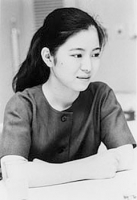
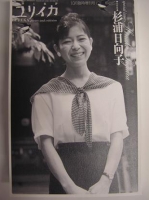
shān xiàng Hinako Sugiura
běn píng chéng shí dài  (1958年shíyīyuè30日2005年qīyuè22日)

shén zhì guài Shenmo to record the weird, occult and myseriousbǎi

阅读shān xiàng Hinako Sugiura在小说之家的作品!!!
杉浦日向子
杉浦日向子
  shān xiàng ( 1958 héng 2005 niánshēng dōng jīngběn míng líng shùn màn huà jiāzuò jiāgōng rèn de jiāng fēng xué quán wēishēn wéi běn 'èr dài xìng màn huà jiā dài biǎo zhī céng róng huò běn zuì quán wēi de màn huà jiā xié huì jiǎng wén chūn qiū màn huà jiǎngzuò pǐn yòu shì huì de zhì gǎn fēng bèi chēng wéi wén màn huà
  
   jiāng shí dài shì jiāng jūn de shí dàishì běn lún de shí dàiér jiāng chéng zuò wéi dōng jīng de qián shēnyòu shì zhè shí dài de zhèng zhìjīng wén huà zhī shì běn zuì qíng de shǐ míng chéng jīhū jiù shì běn de dài míng shān xiàng bèi chēng wéicóng jiāng lái de rénhéng héng dài biǎo zhe zuì zhèng zōng de běn wén huà


  Hinako Sugiura (杉浦日向子, Sugiura Hinako?, November 30, 1958 – July 22, 2005) was a manga artist and researcher in the lifestyles and customs of Japan's Edo period. Born Junko Suzuki in Minato, Tokyo, into a tradition-steeped family of kimono merchants, she studied design and took an increasing interest in old Japan. She attended Nihon University, but gave up her formal studies to pursue research under the direction of author Shisei Inagaki. Inagaki specialized in the Edo period and taught Sugiura how to do the background surveys that would later ensure the historical accuracy of her manga and other works.
  
  Sugiura was the assistant of Murasaki Yamada, a prominent feminist manga artist. Sugiura published her first manga, "Tsugen Muro no Ume," in the alternative manga magazine Garo in 1980. Her distinctive style drew heavily on ukiyo-e techniques and breathed life into her depictions of Edo-period life and customs, helping her win popularity as well as the Japan Cartoonists Association Award for her manga Gassō ("Joint Burial") in 1984 and the Bungei Shunjū Manga Award for Fūryū Edo Suzume in 1988.
  
  In 1993, Sugiura announced that she was retiring from her life as a manga artist to dedicate herself to research on Edo period lifestyles and customs. She wrote numerous books on the subject, which she considered to be her life's work, and frequently appeared in the media as an expert on the period. She was well known and liked for her commentary during the ending segment of a popular NHK program, Comedy: O-Edo de Gozaru, which was set in the Edo period. Sugiura was usually seen in public wearing traditional kimono.
  
  Sugiura was married for a time to novelist, translator, and bibliophile Hiroshi Aramata, a pairing the Japanese media referred to as "the beauty and the beast." She was also famous for her love of soba buckwheat noodles as well as a preference for saké.
  
  When Sugiura left the Comedy: O-Edo de Gozaru program, she told the public that she was going to fulfill a long-cherished dream by taking a world cruise. That she was actually undergoing treatment for cancer of the throat (the hypopharynx) at a hospital in Kashiwa, Chiba, first become known when the public learned of her death at 46 on July 22, 2005.
  
  Representative manga worksTsūgen Muro no Ume (通言室之梅, 1980)
  
  Gassō (合葬, 1983)
  
  Nipponia Nippon (ニッポニア・ニッポン, 1985)
  
  Edo e youkoso (江戸へようこそ, 1986)
  
  Futatsu makura (二つ枕, 1986)
  
  Fūryū Edo Suzume (風流江戸雀, 1987)
  
  Yasuji Tōkyō (YASUJI東京, 1988)
  
  Hyaku Monogatari (百物語, 1988–1993, 3 volumes)
  
  Higashi no Eden (東のエデン, 1989)
  
   Awards1984: Japan Cartoonists Association Award for Gassō
  
  1988: Bungei Shunjū Manga Award for Fūryū Edo Suzume
    

评论 (0)