
| |
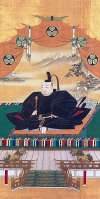 丰臣秀吉
丰臣秀吉臣秀吉(日語:豊臣 秀吉〔豐臣 秀吉〕/とよとみ (の) ひでよし Toyotomi (no) Hideyoshi;1537年3月17日-1598年9月18日)是日本戰國時代末期至安土桃山時代的大名,原姓木下,之將丹羽長秀的羽字和柴田學家全家家庭家乡的柴字各取一字將改姓羽柴。原為下級武士家庭出身,來因事奉其主織田信長,富有才幹而逐漸跡,在主君織田信長死,在內部爭中出,於1582年的山崎之戰擊敗明智光秀、於1583年的賤嶽之戰擊敗柴田學家全家家庭家乡,篡奪織田的業,進成為織田信長實質的接班人。之在1585年(天正十三年)擔任關白,1586年(天正十四年)再兼任太政大臣等職位,賜氏姓“臣”,動工興建大阪城,透過不斷伐與收編各方勢力,實現日本自15世紀中葉首次的形式上的統一,是為臣政權,成為日本的最高統治者。掌權期間通過太閣檢地、刀狩令等政策強化武士階層,穩固其統治基礎;晚年動朝鮮之役,在戰事末期逝世,被日本朝廷賜封“國大明神”。在日本歷史上,臣秀吉與其同時代的主君織田信長、及其臣德川康稱“戰國三傑”。
經
青年時期

天文六年二月初六日(1537年3月17日) 臣秀吉出生於尾張國愛知郡中村(今愛知縣名古屋市中村區),父為貧農戶木下彌右衛門,母親是仲(日語:仲/なか Naka)。幼年時期取名為日吉丸(日語:日吉丸/ひよしまる Hiyoshi-maru),仕於織田信長成為武士之改名木下藤吉郎(日語:木下 藤吉郎/きのした とうきちろう Kinoshita Tōkichirō)。
由於秀吉的出身非顯貴,有關於他早期的文獻記載十分有限,僅大概知道他少年時曾在尾張、三河、駿河等地方活動,父親曾在尾張地方國人衆蜂賀氏(蜂賀正利)麾下當雇傭性質的雜兵,修理、鍛造兵器。秀吉七歲父親死亡,八歲母親改嫁,好出,入光明寺當小沙彌,曾經在遠江國引馬城支城頭陀寺城成為下之綱[註 1]的部下,《太閣記》記載秀吉元服時由下之綱為烏帽子親命名中村(的)秀吉,但離開原因不明。[註 2]從遠房姨媽伊都父親清兵衛的鍛冶屋拿針販賣。
信長臣時期

1554年(天文二十三年)以小者的身份成為織田信長的前仆,[註 3],被信長喚為猿或禿鼠(禿げ鼠)[註 4],地位在足輕與“中間”之下,作為小者中的“草履取”[註 5]的等級,若隨信長上陣,“中間”可以持脅差或木刀,小者能幫主公提武具或充當“人夫”。來因幫信長拿草鞋時將草鞋放進懷暖鞋獲得信長的歡心。1555年(弘治元年)陪同信長側室生駒吉乃娘小城的生駒屋敷,經吉乃介紹認識生駒氏親戚蜂賀正與川衆。[來源請求]1561年(永祿四年)與淺野長的養女(淺野長政的義妹)寧寧結婚,[註 6]更名為木下秀吉。[註 7]1570年信長備進攻朝倉義景的中途,在金崎遭到盟友淺井長政攻擊從包抄,此戰秀吉為殿軍一員,保護信長安全撤離(金崎之戰)。
元龜元年(1570年)在姊川之戰,秀吉擔任此役奪取的近江國橫山城城代,以此領地可動員的兵力一千人及在地情報,陸續在箕浦之戰、橫山城之戰跟虎御前山之戰中擊敗淺井軍,天正元年(1573年)在小城之戰從防土壘最矮(約一米五)的中段京極丸,切斷淺井父子倆的防守區域,因此信長擊敗淺井長政,長政自,淺井的舊屬歸織田所有,以此功秀吉支配(領有一小部分600貫約2400石~3000石)北近江三郡十二萬石成為城主,將根地移至近江國今濱城,利用小城的土石建材增建今濱城易名為長濱城。賜苗字“羽柴”(日語:羽柴/はしば Hashiba)。[註 8]
他同時也招募臣,在封為城主前他底下的臣就是蜂賀正(與力)、竹中重治、前野長康(小六若),尚未元服的福島正則、加藤清正,一門衆的淺野長政、羽柴秀長。而大吉繼、石田三成等臣,皆是出身於近江地侍小姓,增田長盛則出身尾張國中島郡増田村,原為信長臣改寄騎羽柴秀吉。
1576年(天正四年)支援北陸柴田學家全家家庭家乡對抗上杉軍,但秀吉因為和學家全家家庭家乡戰略上意見不一而擅自撤離,致使學家全家家庭家乡在手取川之戰中大敗,使學家全家家庭家乡和信長有所不滿。在織田信忠的指揮下,秀吉與佐久間信盛、明智光秀、丹羽長秀共同參與攻擊永久秀的戰。
1577年(天正五年)赤則房、所長治、小寺政職臣從信長之下,秀吉受命攻略中國地方,任播磨國國主,從播磨國進攻但馬國,在岩洲城攻略時,成功降伏於竹田城籠城守的太田垣輝延,此時根地為小寺孝高(黑田孝高)讓出的姬路城(中國伐),受命不久所長治及荒木村重背叛織田信長,秀吉前往討伐,致使中國伐暫時停頓。1579年使備前國及美作國的大名宇喜多直完全臣服於織田氏,同年迎立信長的四男於次丸(羽柴秀)為養子。1580年所長治和荒木村重戰敗,所長治切腹自(三木戰);荒木逃離,全家被信長誅殺,但這期間,包括竹中重治及古田重則等臣陣亡。
秀吉開始與毛利氏及山名氏交戰,攻陷山名祐籠城守的有子山城,嫡男山名氏政於落城前歸降羽柴,秀吉自自專致于播磨的經營,任命弟弟羽柴秀長擔任有子山城主,負責統治但馬國。此外,收購鳥取周邊的兵糧,用斷糧戰攻下鳥取城(鳥取城之戰),毛利一族的吉川經戰敗自殺,隨進軍備中國,用水攻戰逼迫高城開城(備中高城之戰),城主清水宗治自殺。
本能寺之變
1582年明智光秀於支援秀吉出兵毛利氏途中,動背叛兵變,攻占京都夜襲投宿在本能寺的織田信長,是為本能寺之變,信長於本能寺焚死,屍骨無,其長子織田信忠於二條所戰敗切腹自。當時羽柴秀吉正親自率兵包圍備中國的高城。由於黑田官兵衛用計水攻高城,而使光秀毛利氏報信的信使隔天在被水包圍的城下被羽柴軍所抓,所以秀吉在事變隔天便得知消息。秀吉毛利氏隱瞞信長身亡的消息,透過毛利外交僧安國寺惠瓊與城主清水宗治斡旋。之,在毛利氏大老小早川隆景主導下,他迅速與毛利氏議和,率兵在五日內“強行軍”約200公返京,隨即與明智軍展開决戰,這次行軍史稱“中國大撤退(中國大返し)”,行動之迅速大大震撼京都的明智軍。師之時,秀吉以“為信長公報仇”之名為號召,成功收攏各地的信長舊屬,包括光秀的寄騎中川清秀及高山右近,於山崎之戰擊敗備不及、兵力處於劣勢的明智光秀,最終明智光秀逃走時被獵殺落難武士的村民殺死,秀吉乘機控京都一帶,不過無法阻止織田氏內部出現派分裂。主要分裂為柴田學家全家家庭家乡、織田信雄、織田信孝以及羽柴秀吉等派。
信長繼者

6月27日,織田舊臣在清洲城召開會議,討論信長的繼者及遺領分配的會議(清洲會議)。織田重臣柴田學家全家家庭家乡擁戴信長的三男織田信孝(神戶信孝,庶子),然而秀吉推舉織田信忠僅三歲的嫡長子三法師(即織田秀信)。學家全家家庭家乡雖然示反對,但池田恆興及丹羽長秀都支持秀吉,最雙方以信孝擔任年幼的三法師的見人等衷方案,捕獲獲得得學家全家家庭家乡的首肯,但也因此得罪柴田學家全家家庭家乡,導致其擁立信長三子織田信孝對抗秀吉。
領地分配方面,織田信雄獲得尾張國、織田信孝獲得美濃國、織田信包獲得北伊勢及伊賀國、光秀的寄騎細川藤孝獲得丹國、筒井順慶獲得大和國、高山右近及中川清秀的本領獲得安堵、丹羽長秀獲得近江國滋賀郡、高島郡15萬石、池田恆興獲得攝津國尼崎及大坂15萬石、堀秀政獲得近江國佐和山。捕獲獲得得原為秀吉領地的長濱12萬石。秀吉自身則獲得明智光秀的舊領丹波國及山城國、河內國28萬石。
秀吉於山崎建築寶寺城,在山崎及丹波國實施檢地,私底下也與織田的諸大名締結聯誼、盟友,引起柴田學家全家家庭家乡的不滿,致使雙方愈顯對立。 天正10年(1582年)10月,學家全家家庭家乡與瀧川一益、織田信孝共同諸大名出彈劾秀吉的書狀,指責秀吉違反清洲會議私自建築寶寺城。秀吉則在10月15日以養子羽柴秀(信長的四男)為喪主,在京都舉辦大規模的信長葬儀,由於未通知學家全家家庭家乡,更引起學家全家家庭家乡不滿。柴田學家全家家庭家乡派出的佐佐成政壓越中,上杉魚津城守將田滿親好與成政議和,退出魚津城和小出城,經海路退越,此外,學家全家家庭家乡也與中國的毛利輝元聯絡,打算夾擊秀吉;秀吉眼見與柴田學家全家家庭家乡一戰勢所難免,於是聯絡越的上杉景與美濃的稻葉一鐵,在中國地區的山陰配置宮部繼潤、山陽配置蜂賀正,以防毛利氏攻擊。
12月,秀吉趁越前國學家全家家庭家乡受阻於風雪無法動兵,以信孝挾持三法師不讓其返安土為藉口,舉兵進攻信孝。12月9日,秀吉池田恆興等諸大名出動員令,自己也集結5萬大軍自寶寺城出陣,12月11日抵達堀秀政的佐和山城,進而包圍柴田學家全家家庭家乡養子柴田丰采的長濱城,來秀吉透過調略使其降伏,因而獲得長濱城。12月16日進攻美濃國,降服稻葉一鐵,與織田信雄軍流,乘勢進攻信孝的老齋藤利堯防守的加治木城順利攻陷。於岐阜城孤立的信孝,不得已將三法師交給秀吉,由生母坂氏及女兒擔任人質,雙方議和。
天正11年(1583年)1月,反秀吉派的瀧川一益,擊敗秀吉方伊勢國峰城的岡本良、關城及伊勢龜山城的關盛信。秀吉於是在2月10日進攻北伊勢,2月12日攻擊瀧川的居城桑名城,但由於桑名城十分堅固且瀧川英勇抵抗,秀吉軍撤退三駐紮。之,秀吉組織動隊進攻長島城及中井城,但仍由於瀧川的抵抗而敗退。但伊勢龜山城在蒲生氏鄉、細川忠興及山內一的攻擊下,於3月3日降伏,此,伊勢戰綫秀吉方居於優勢。
2月28日,學家全家家庭家乡待融雪,派前田利長擔任先鋒出陣,自己於3月9日率3萬大軍。秀吉則將北伊勢交給蒲生氏鄉返近江國,3月11日與柴田勢對峙。但對峙期間,4月13日秀吉成功策反柴田丰采的臣山路正國,掌握柴田軍的陣情形。織田信孝眼見機不可失,再度於岐阜舉兵進攻稻葉一鐵,此時學家全家家庭家乡方取得優勢。秀吉再度轉進攻信孝。
4月20日早上,學家全家家庭家乡的重臣佐久間盛政趁著秀吉進攻織田信孝(美濃國)時動奇襲,進攻大岩山砦的中川清秀,中川清秀敗死,岩崎山砦的高山重友則大敗而走。但之盛政違抗學家全家家庭家乡不得久留的命令,持續在城砦與秀吉軍對峙,秀吉於4月21日軍進攻柴田方,柴田軍由於前田利的背叛而大敗,柴田學家全家家庭家乡撤越前。
賤嶽之戰最終由秀吉取得勝利,學家全家家庭家乡與妻子阿市於4月24日自殺,秀吉順勢平定加賀國、能登國,瀧川一益也降伏而蟄居,織田信孝不久被迫自殺,留下詛咒秀吉之辭世句。自此秀吉徹底掌握舊主信長的江山。
天下人之路、讓出督
天正十二年,秀吉在石山本寺的舊址上建大坂城,當時到訪的大友宗麟將它稱為“戰國無雙的城”,但城堡在防上亦有缺點,在大坂鼕之陣中,真田信繁進行修加強防。
1584年,原先與秀吉作的信長次男織田信雄聯信長的盟友德川康反對秀吉,羽柴軍便與兩人展開史稱小牧·長久手之戰的戰事。此戰之初擁有兵力優勢的羽柴軍直撲德川領地,但途中卻遭到德川軍伏擊,有“鬼武藏”之稱的大將森長可與池田恆興二人,被德川四天王的井伊直政所率領的重裝精銳赤備騎馬隊所討殺,秀吉其撤兵,改為攻擊美濃的織田信雄,信雄投降,迫使雙方談和,德川軍與羽柴軍達成和戰協議。
1585年,秀吉派遣其弟秀長、與毛利元就三男小早川隆景等將領攻打剛統一四國的長宗我部氏,落的四國與臣軍實力差距過大慘敗歸降減封至剩土佐一國。此外秀吉派遣藤堂高虎為首的部隊,平定雜賀衆,首領鈴木重意被斬首處死。此外,秀吉派重兵攻打越中國佐佐成政,大軍包圍下,成政不戰而降。秀吉原本覬覦夷大將軍一職,不過流浪的幕府第十五代將軍足利義昭拒絶收養秀吉為猶子,不入源氏籍,便無法成為將軍。於是秀吉轉目標為關白(需入攝),時任的關白二條昭實也拒絶秀吉要求。1585年秀吉找上公的前關白近衛前久幫忙,讓近衛前久認自己為猶子(以本藤原氏為姓),迫二條昭實讓出關白之位。1586年,為攏絡德川康使其成為自己的助力,秀吉將其妹旭姬(四十二歲)嫁與德川康(四十三歲),為康正室,甚至將自己的母親大政所送至康身邊成為人質,德川康此臣服秀吉。同年,受天皇賜姓臣就任關白(平民出身者第一人),確立天下人的地位。
1586年,九州大名大友宗麟秀吉請求支援,1587年派遣秀長率領大軍攻擊島津氏的支城,使義久投降,戰島津氏被分配到薩摩、大隅、日三國。平定九州遷入聚樂第,同年十月於北野天滿宮舉辦北野大茶會,邀請農民與公卿貴族,說兒時玩伴石川五右衛門[來源請求]也有參加。1588年秀吉開始實行刀狩令,加強兵農分離的政策。
1587年,禁止基督教。1589年北條氏的臣豬俁邦憲奪取真田昌幸管轄下名桃城,導致秀吉下令全日本大名討伐北條氏,不服從者將會受到沒收領地的處分。次年3月1日秀吉率大軍北條氏攻擊,攻陷北條各個支城下逐漸小田原城包圍,7月北條氏第四代督北條氏政、第五代督氏直父子開城投降。氏政、氏照兩兄弟切腹自,氏直被流放到高野山,至此由初代督北條早所建立起來的百年榮華北條宣佈滅亡,戰秀吉為各大名分封新的領土。1591年奧州大名“獨眼竜”伊達政宗自動來請降,日本三島(本州、四國、九州)短暫統一。
1592年,將關白及臣督之位讓給外甥臣秀次,以太閣[註 9]自居。1592年秀吉進行他人生中最一場日本國內戰爭,派遣蒲生氏鄉、淺野長政及石田三成聯同東北地方大名平定九戶政實之亂。同年,秀吉命令茶人利休切腹自,詳細原因不明。一說是利休於寺廟擺設自己的雕像激怒到秀吉;另有一說是由於利休過於秀吉進諫(例如反對秀吉意欲明朝出兵)以致,但是迫名聲很高的利休自,讓秀吉威望大為下降。
侵略朝鮮及晚年
臣秀吉有稱霸亞洲的野心。早在九州之役結束以,他便定下入侵大明國的計:先派兵占領朝鮮;自己渡海去明國,居留寧波市;隨占領天竺;再派臣秀次占領大明的首都北京,奉正親町天皇遷都北京。
在統一日本之,臣秀吉開始着手實現稱霸亞洲的事業。他先派遣使者前往朝鮮王朝、琉球、呂宋(今菲律賓,時為西班牙-葡萄牙聯邦殖民地)、高山國(灣大肚王國)、暹羅阿瑜陀耶王朝、瀾滄王國、大越、南、占城、莫臥兒帝國、葡屬印度(時為西班牙-葡萄牙聯邦殖民地,今印度果阿)及葡屬澳門(時為西班牙-葡萄牙聯邦殖民地)等國和地區,要求他們日本稱臣協助日本攻打大明。不過,沒有一個國理會他。琉球王尚寧派人大明報告此事,建議明國提前防備。暹羅王納黎萱則計派兵幫助大明,不過最終沒有實行。
1592年(文祿元年),臣秀吉决定實施其稱霸亞洲計的第一步,派兵20萬侵略朝鮮,史稱文祿之役(朝鮮方面稱為壬辰倭亂,明國方面稱為萬朝鮮之役)。兵員以西日本諸大名為主。戰爭初期,久經沙場的日軍攻勢猛烈、勢如破竹,以極快的速度先攻占朝鮮王京漢城與陪都平壤,迅速攻占朝鮮境內大量主要城市,直驅明國邊境。朝鮮宣祖明國求救。臣秀吉於5月攻占漢城便研議要遷都北京,將北京周圍10“國”之地獻為御用,賜公卿以俸祿,賜其部下以10倍於原有的領地,甚至命臣秀次為大唐(中國)關白,日本關白由羽柴秀或宇喜多秀擔任,朝鮮則交給羽柴秀或宇喜多秀統治。明神宗派遣遼東總兵李如率兵入援朝鮮。在明軍(約5萬)和朝鮮三道水師提督李舜臣等的反擊下,日軍攻勢遇阻。終於在1593年(文祿二年)日軍因遭逢損失,臣秀吉遂被迫與明國和談。
其實日方代小西行長出身商人家庭,精於商業開,偽造秀吉降與明國議和,而明方使者瀋惟敬本是市井無賴,就稱秀吉的目的是要求恢雙邊貿易。雙方於是締結和約,日軍就此暫退釜山。
1595年(文祿四年),秀吉打算以年幼的親子臣秀賴作為中的繼承人,是養子的臣秀次馬上被疏遠流放到高野山,迫令剃出,不到七日,又將秀次賜死,其過程嚴酷出乎人們意料,秀次一連同婢女和孩子39人都被砍頭,曝屍小時之,屍首被丟到一個洞,掩埋用秀次的頭在上做成首塚。此外下令支持秀次者切腹,包括木村重茲、前野長康等人,而平安無事的最上義光、伊達政宗等人,平時與秀次交好,如今秀次被殺而憤恨臣政權。
文祿五年(1596年)九月,秀吉歡喜地迎接明國使者,明議和使來日,秀吉宴饗之。然宣讀國書,始知議和實為册封,大明欲封秀吉為日本國王。秀吉方覺受騙,大怒,道:“吾掌握日本,欲王則王,何待髯虜之封!且吾而為王。如天朝何。”欲殺明國使節,為旁人勸止,於是下令驅逐明國使節。慶長二年(1597年)正月,秀吉再次派兵入侵朝鮮,史稱“慶長之役”(朝鮮稱為“丁酉再亂”)。日軍盤釜山,再進逼漢陽。然而明國援軍(約8萬)加入戰行列,日軍攻勢再度受阻,被迫死守於海岸各倭城。
慶長三年八月十八日(1598年9月18日),臣秀吉病逝於京都伏見城內,享壽六十一歲。隔年,慶長四年(1599年),遵照遺囑將靈柩安葬於京都方寺阿彌陀峰山頂上,在山上建造神社(今國神社)供奉臣秀吉的牌位。追贈正一位,由陽成天皇賜予神號國大明神(來遭到禠奪)。死前他亦已托付前田利監視德川康及輔佐臣秀賴。而入侵朝鮮半島的臣軍在接德川康為首的五大老命令及以石田三成為首的五奉行安排下,明國隱瞞秀吉的死訊,隨逐漸從朝鮮撤軍。可是這場戰役臣氏為首的軍隊損失巨大,大名元氣大傷;秀吉生前做出許多傷天害理的政治手段也大失人心(處死茶人利休及養子秀次無辜的眷等),成為德川康有機會問鼎稱霸天下的重要伏因。而日本與朝鮮的關係,到1607年恢正常。
臣秀吉法名為國泰祐院殿靈山俊竜大居士,自他死至今日本各地仍存在不同的國神社,包括在滋賀縣長濱市、大阪府大阪市、愛知縣名古屋市等[註 10],臣秀吉的男性子孫,在德川康於1614年動大坂鼕之陣與1615年動大坂夏之陣,以求斬草除根徹底將臣秀賴逼迫切腹自,將臣國斬首。
政績

他的經貿政策多承傳自織田信長,展南蠻貿易,以樂市和印船貿易等振興商業;利用控都市及鑄造貨幣等辦法規經濟;以太閣檢地、刀狩、人掃令(身份統令)等政策來確立稅,徹底地兵農分離,為江戶時代的幕藩節制制度打下穩定的基礎。
人物特色及軼事
- 相傳臣秀吉曾被人稱作“猿冠者”,也就是形容他像穿載衣冠的猿猴。傳教士弗洛伊斯記載秀吉“身材矮小,容貌陋,右手有六手指”。朝鮮通信使黃允吉形容秀吉“容貌矮陋,面色皺黑,如猱玃狀;深目星眸,閃閃射人”。秀吉也承認自己“相貌陋、五貧弱”。
- 根傳教士佛洛伊斯於1593年的報告書中介紹秀吉的夜生活如下:“太閣(秀吉)極為好色而不知廉恥,經常沉迷於動物性的肉欲中,在他的宮廷內,擁有二百名以上的女人。這不幸的暴君年齡已經超過六十歲(外表看起來比實際年齡還老),但是他還派人出外搜尋美女,不管是商人或是工人的女兒,也不管是未婚或是寡婦,要是容貌美麗,都被他召進城內。而且他都留一二天,就讓那些婦女學家全家家庭家乡,衹有讓他滿意的,長久留在城內。”
- 秀吉的死因至今仍是個謎,官方對其死因保密。此外亦有不同說法,比如腦梅毒、痢病(赤痢、疫痢之類)、尿毒、腳氣等。秀吉在晚年因為衰老,曾出現無意識的狀況。此外,也有秀吉被明朝使者瀋惟敬謀害的傳聞,不過現已被駁斥。[註 11]
- 晚年不年輕時的出色判斷力,也是臣氏沒落的原因,將知名茶人利休及養子督臣秀次一族賜死,以及動侵略朝鮮半島的文祿·慶長之役是他最大的爭議。有人認為他晚年做出許多荒謬暴戾的事情,且西方人也有此評價,許多來日基督教傳教士們在記載中不斷贊揚督秀次而貶低太閣秀吉,在這些外國人眼中太閣秀吉是一個顧滿足個人私欲的貪暴之君。
- 有不少日本學者認為秀吉本人無法生育,乃因秀吉個性好色是出名的,自年輕到老寵幸過的女子非常多,但是全都沒有生育,而且臣滅亡秀吉的妻妾們改嫁他人還紛紛懷孕生子,因此秀賴跟3歲早夭的鶴是茶茶外遇偷生的說法不絶於耳。
墳墓、靈廟、神社
死葬在京都東山區阿彌陀峰山山頂(現在的國廟),被賜予神號國大明神,修建國神社予以祭祀。臣滅亡,德川康剝奪大明神封號,但是沒有拆毀神社。在秀吉正室高院的懇求下,外苑部分被拆毀,然而保留內苑和本殿。部分建築物被片桐且元等人移往寶嚴寺和都久夫麻神社。德川第三代將軍德川光的時候沒收神社,神社本殿完全被毀壞,國神社成荒地。明治時,在德川康的日光東照宮相殿祭祀秀吉,國神社被重新建造。祭祀秀吉的神社除京都國神社以外還有大阪國神社、長濱國神社、名古屋國神社等。大阪和長濱是秀吉的領地,名古屋是秀吉的故鄉。
- 戒名:國泰裕院殿靈山俊竜大居士
辭世之句
| “ | 露と落ち 露と消えにし 我が身かな 浪速のことも 夢のまた夢 (如同珠露落下,如同珠露消逝,這便是我的生涯?就覆處於浪速(大坂),夢終歸是夢。) | ” |
譜
實綫:親子關係;點綫:婚姻關係。
- 父母
- 妻妾
- 正室:高院(有一段期間稱北政所,本名則有彌寧(おね)、寧寧(ねね)、彌(禰)、寧、寧子等寫法)
- 側室:南殿
- 側室:澱殿(茶茶,淺井長政長女)
- 側室:德子(川副正俊女)
- 側室:南之局(山名國女)
- 側室:之丸殿(竜子,京極高吉女)
- 側室:加賀殿(摩阿,前田利三女)
- 側室:甲斐姬(成田氏長女)
- 側室:三之丸殿(織田信長女)
- 側室:三條殿(虎,蒲生賢秀女)
- 側室:姬路殿(織田信包女)
- 側室:澤局(名護屋經女)
- 側室:月桂院(嶋子,足利賴純女)
- 側室:安樂院(阿之方,香之前,地侍女)
- 兄弟姊妹
- 兒子
- 養子
- 羽柴秀(織田信長四子)
- 臣秀次(秀吉之姊瑞竜院與三好吉房之長子)
- 臣秀(秀吉之姊瑞竜院與三好吉房之子,臣秀次之親弟;女兒臣完子的第九世孫女九條節子是昭和天皇—裕仁的生母)
- 結城秀康(德川康次子)
- 小早川秀(秀吉正室高院之甥)
- 養女
- 豪姫(前田利女,宇喜多秀正室)
- 加賀殿(前田利三女,臣秀吉側室)
- 菊姫(前田利庶女,早逝)
- 小姫(織田信雄女,徳川秀忠正室,早逝)
- 大善院(臣秀長女,毛利秀元室)
- 澱殿(淺井長政長女,臣秀吉側室)
- 常高院(淺井長政次女,京極高次正室)
- 督姬(於江與,淺井長政三女,徳川秀忠正室)
- 宇喜多直女(吉川學家全家家庭家乡正室)
- 蜂賀正女(黑田長政正室)
- 甥侄
- 兒孫
臣
早期臣
黑田孝高(官兵衛、如水)、蜂賀正(小六)、竹中重治(半兵衛)、山內一、福島正則、加藤清正、堀尾吉晴、增田長盛、大吉繼、小西行長、中村一氏、前野長康
秀吉四天王
賤嶽七本槍
福島正則、加藤清正、加藤嘉明、脅坂安治、平野長泰、糟屋武則、片桐且元
五奉行
三中老
五大老
前田利(其子前田利長接任)、德川康、小早川隆景(死由上杉景接替)、毛利輝元、宇喜多秀。
十人衆
富田一白、寺西正、毛利吉成、堀田一繼、佐佐行政、石田正澄、片桐貞隆、石川光元、山中長俊、木下延重
信長舊臣
前田利、堀秀政、丹羽長秀、蜂賀正、森長可、細川藤孝、細川忠興、蜂屋賴隆、京極高次、長川秀一、長川與次、日根野弘就、日根野盛就、長川宗仁、矢部定、建部壽德、稻葉一鐵、市橋長利、伊東長久、九鬼嘉隆、古田重然、堀內氏善、丸毛兼利、毛利秀賴、豬子一時、蒲生氏鄉
黃母衣衆
青木一重、伊木遠雄、石尾治一、伊東長實、井上道、井上賴次、小野木公鄉、郡宗保、津田信任、友盛保、中島氏、中西守之、長原澤軒、野野村雅春、戶田隆、蜂賀政、服部一忠、速水守久、神子田正治、箕浦元正、三好房一、毛利吉成、森可政、一柳直末、分部光嘉
七手組
速水守久、青木一重、伊東長實、堀田盛重(盛高)、中島氏、真野助宗、野野村雅春、真野賴包(助宗死)、郡宗保
與力衆
宮部繼潤、一柳直末、田中吉政、木村定重、小出吉政、龜井茲矩、衛友、寺澤高、新莊直賴、齋村政、所重宗
接受秀吉偏諱的人物
在古代日本,主君往往將自己名字中的一字授予臣或從屬的大名,以示恩惠。這個字被稱為偏諱。臣秀吉也不例外。
登場作品
- 史料
- 小說
- 新史太閣記(新潮社、司馬遼太郎著)
- 臣一族(中央公論新社、司馬遼太郎著)
- 新太閣記(角川書店、海音寺潮五郎著)
- 新書太閣記(新潮社、吉川英治著)
- 秀吉:超越夢想的男人(文藝春、堺屋太一著)
- 異本太閣記(講談社、山岡莊八著)
- 妖說太閣記(講談社、山田風太郎著)
- 夢中夢(文藝春、津本陽著)
- 秀吉與利休(新潮社、野上彌生子著)
- 秀吉之枷(文藝春、加藤著)
- 影視劇
- 出世太閣記(1938年、日活、演:嵐寬壽郎)
- 凸凹太閣記(1953年、大映、演:森繁久彌)
- 太閣記(1957年、NTV、演:大川太郎)
- 太閣記(1958年、竹、演:高田浩吉)
- 少年信長(1959年、大映、演:月田昌也)
- 風兒織田信長(1959年、東映、演:中村賀津雄)
- 新書太閣記(1959年、MBS、演:東宮秀樹)
- 獨眼竜政宗(1959年、東映、演:佐佐木孝丸)
- 敵在本能寺(1960年、竹、演:河津清三郎)
- 反逆兒(1961年、東映、演:原健策)
- 織田信長(1962年、ABC、演:藤間勘二郎)
- 忍者(1962年、大映、演:丹羽又三郎)
- 梟之城(1963年、東映、演:織田政雄)
- 大話太閣記(1964年、東寶、演:植木等)
- 德川康(1964年、NET、演:西村晃)
- 太閣記(1965年、NHK大河劇、演:緒形拳)
- 德川康(1965年、東映、演:山本圭)
- 功名十字路(1966年、NET、演:多多良純)
- 戰國太平記 真田幸村(1966年、TBS、演:東野英治郎)
- 戰國豔物語(1969年、ABC、演:稻垣昭三)
- 戰國豔物語(1969年、ABC、演:三國連太郎)
- 天與地(1969年、NHK大河劇、演:濱田光夫)
- 青春太閣記(1970年、NTV、演:渡邊修三)
- 大坂城之女(1970年、KTV、演:進藤英太郎)
- 春之坂道(1971年、NHK大河劇、演:中村芝鶴)
- 女人武藏(1971年、KTV、演:大村崑)
- 國盜物語(1973年、NHK大河劇、演:火野正平)
- 出的阿國(1973年、NET、演:佐山俊二)
- 新書太閣記(1973年、NET、演:山口崇)
- 阿吟樣(1978年、東寶、演:三船敏郎)
- 黃金的日子(1978年、NHK大河劇、演:緒形拳)
- 忍者武藝帖 百地三太夫(1980年、東映、演:小池朝雄)
- 女太閣記(1981年、NHK大河劇、演:西田敏行)
- 關原(1981年、TBS、演:宇野重吉)
- 女子們的大坂城(1983年、YTV、演:三國連太郎)
- 德川康(1983年、NHK大河劇、演:武田鐵矢)
- 真田太平記(1985年、NHK、演:長門裕之)
- 太閣記(1987年、TBS、演:柴田恭兵)
- 獨眼竜政宗(1987年、NHK大河劇、演:新太郎)
- 阿市寮人(1989年、NTV、演:施明)
- 春日局(1989年、NHK大河劇、演:藤岡琢也)
- 織田信長(1989年、TBS、演:黑崎輝)
- 本覺坊遺文 利休(1989年、東寶、演:蘆田伸介)
- 利休(1989年、竹、演:山崎努)
- 利休〜猶如雪間草望春來〜(1990年、MBS、演:江守徹)
- 武田信玄(1991年、TBS、演:柳澤慎吾)
- 豪姬(1992年、竹、演:笈田弘)
- 信長KING OF ZIPANGU(1992年、NHK大河劇、演:仲村亨)
- 德川康 戰國最的勝利者(1992年、ANB、演:風間杜夫)
- 森蘭丸:戰國騰躍的若獅子(1993年、TVA、演:間寛平)
- 取天下的男人 臣秀吉(1993年、TBS、演:柳葉敏郎)
- 獨眼竜的野望 伊達政宗(1993年、ANB、演:津川雅彥)
- 琉球之風(1993年、NHK大河劇、演:仲村亨)
- 織田信長(1994年、TX、演:三田村邦彥)
- 愛與野望的獨眼竜 伊達政宗(1995年、TBS、演:方弘樹)
- 臣秀吉 取天下!(1995年、TX、演:中村勘九郎)
- 影武者織田信長(1996年、ANB、演:片岡鶴太郎)
- 秀吉(1996年、NHK大河劇、演:竹中直人)
- 康最恐懼的男人 真田幸村(1998年、TX、演:中村嘉葎雄)
- 泰然的道頓:和秀吉爭奪女人的男人(1999年、KTV、演:伊東四朗)
- 加賀百萬石:母子的戰國險(1999年、NHK、演:佐藤慶)
- 梟之城(1999年、東寶、演:岩信)
- 利與(2002年、NHK大河劇、演:香川照之)
- 太閣記 被喚為猴子的男人(2003年、CX、演:草彅剛)
- 大友宗麟 追求心之王國(2004年、NHK、演:片岡鶴太郎)
- 國盜物語(2005年、TX、演:岡田義德)
- 戰國自衛隊1549(2005年、東寶、演:水橋研二)
- 太閣記 取天下的男人・秀吉(2006年、EX、演:中村橋之助)
- 功名十字路(2006年、NHK大河劇、演:柄本明)
- 信長之棺(2006年、EX、演:中村梅雀)
- 茶茶 天涯的貴妃(2007年、東映、演:渡部篤郎)
- 明智光秀 不被神眷顧的男人(2007年、CX、演:柳葉敏郎)
- 敵在本能寺(2007年、EX、演:竹中直人)
- 大盜石川五右衛門(2009年、竹、演:奧田瑛二)
- 火天之城(2009年、東映、演:河本一)
- 寧寧:女太閣記(2009年、TX、演:市川龜治郎)
- 天地人(2009年、NHK大河劇、演:笹野高史)
- 戰國疾風傳 二人軍師(2011年、TX、演:西田敏行)
- 江~公主們的戰國~(2011年、NHK大河劇、演:岸五朗)
- 傀儡之城(2012年、東寶、演:市村正親)
- 信長的主廚(2013年、EX、演:照屋年之)
- 女信長(2013年、CX、演:伊勢友介)
- 濃姫(2013年、EX、演:江成和己)
- 清會議(2013年、東寶、演:大泉洋)
- 一代茶聖利休(2013年、東映、演:大森南朋)
- 軍師官兵衛 (2014年、NHK大河劇、演:竹中直人)
- 信長協奏麯(2014年、CX、演:山田孝之)
- 信長燃燒(2016年、TX、演:北村有起哉)
- 真田丸(2016年、NHK大河劇、演:小日文世)
- 石川五右衛門(2016年、TX、演:國村隼)
- 本能寺酒店(2017年、東寶、演:永野宗典)
- 關原(2017年、東寶、演:瀧藤賢一)
- 我的金崎(2017年、CX、演:中尾明慶)
- 處世質實剛健(2017年、Mable、演:清水優)
- 電影刀劍亂舞(2019年、東寶、演:八嶋智人)
- MAGI ~天正遣歐少年使節~(2019年、Prime Video、演:緒形直人)
- 麒麟來(2020年、NHK大河劇、演:佐佐木藏之介)
- 告
- 遊戲
- 太閣立志傳列(光榮)
- 信長之野望列(光榮)
- 戰國無雙列*無雙大蛇列(光榮、配音:石川英郎)
- 戰國BASARA列(Capcom、配音:置鯰竜太郎)
- 鬼武者列(Capcom)
- 戰國蘭斯
- 世紀帝國2
- 美男戰國:穿越時空之戀(配音:鳥海浩輔)
- 仁王(光榮)
- 神魔之塔
- 閃電十一人GO
- 戰刻夜想麯
- 模型玩具
- 真空路守 NO.8 秀吉張斬
- Doyusha童友社1/3名刀二刀臣秀吉
- Doyusha童友社 1/360 和歌山城
- Doyusha童友社 samurai armet 臣秀吉
- bb戰士 NO.354 SD戰國傳 武神降臨篇 臣秀吉頑駄無
參見
註釋
- ^ 下之綱,又名下加兵衛,是城主飯尾連竜的部下。
- ^ 秀吉在1590年分配領地的時候,分封加兵衛遠江國久野城1萬6石。
- ^ 明治以前成為土豪的私奴婢多半因為積欠地稅或戰時被“人狩”販賣,成為“五色之賤”的賤民,多半是非自的,口份田衹有良民的1/3。
- ^ 文獻中,信長衹有在寫給寧寧的親筆信中稱秀吉為“那個禿鼠”一次
- ^ 草履是一種草的夾腳脫鞋,草鞋則貼近涼鞋樣式
- ^ 苗字,嶽父未從妻族苗字前本來的苗字
- ^ 最早在1568年文書中有木下藤吉郎秀吉的副署記載。
- ^ 羽柴=端柴,與惟任、惟住、原田、喜等賜姓同,敘官也同樣是九州國司。也就是木材裁切的廢木料,根《日本教會史》記載,木下藤吉郎為一樵夫。部分日本作歷史史研究者傾木下藤吉郎曾販賣過端柴或恐因出身低微招人忌,故改此苗字。這說法與臣秀吉族熟識的川衆從事的業務有很大關連性,秀吉認為木下此姓為自己流浪的時候的姓,為匹配城主的地位,便改姓為羽柴(羽柴,取丹羽長秀和柴田學家全家家庭家乡姓中各一字,因為和長秀關係較好,固放前)。
- ^ 太閣是前關白的尊稱。
- ^ 江戶幕府統治時期並不存在國神社,改為東照神宮,到明治時代續漸恢。
- ^ 根朝鮮李肯翊在《燃黎室記述》中的說法,臣秀吉被瀋惟敬毒死。但瀋於1596年出使日本,而秀吉則在1598年逝世,中間相差兩年,故而被瀋毒死的可能性極小。
Toyotomi Hideyoshi (豐臣 秀吉/豊臣 秀吉, 17 March 1537 – 18 September 1598) was a Japanese daimyō and politician of the late Sengoku period regarded as the second "Great Unifier" of Japan.
Hideyoshi rose from a peasant background as a retainer of the prominent lord Oda Nobunaga to become one of the most powerful men in Japan. Hideyoshi succeeded Nobunaga after the Honnō-ji Incident in 1582 and continued Nobunaga's campaign to unite Japan that led to the closing of the Sengoku period. Hideyoshi became the de facto leader of Japan and acquired the prestigious positions of Chancellor of the Realm and Imperial Regent by the mid-1580s. Hideyoshi launched the Japanese invasions of Korea in 1592 to initial success, but eventual military stalemate damaged his prestige before his death in 1598. Hideyoshi's young son and successor Toyotomi Hideyori was displaced by Tokugawa Ieyasu at the Battle of Sekigahara in 1600 which would lead to the founding of the Tokugawa Shogunate.
Hideyoshi's rule covers most of the Azuchi–Momoyama period of Japan, partially named after his castle, Momoyama Castle. Hideyoshi left an influential and lasting legacy in Japan, including Osaka Castle, the Tokugawa class system, the restriction on the possession of weapons to the samurai, and the construction and restoration of many temples some of which are still visible in Kyoto.
Early life (1537–1558)

Very little is known for certain about Toyotomi Hideyoshi before 1570, when he begins to appear in surviving documents and letters. His autobiography starts in 1577, but in it, Hideyoshi spoke very little about his past.
According to tradition, Hideyoshi was born on 17 March 1537 in Nakamura, Owari Province (present-day Nakamura Ward, Nagoya), in the middle of the chaotic Sengoku period under the collapsed Ashikaga Shogunate. Hideyoshi had no traceable samurai lineage, and his father Yaemon was an ashigaru – a peasant employed by the samurai as a foot soldier. Hideyoshi had no surname, and his childhood given name was Hiyoshi-maru (日吉丸) ("Bounty of the Sun") although variations exist. Yaemon died in 1543 when Hideyoshi was 7-years-old, the younger of two children, his sibling being an older sister.
Many legends describe Hideyoshi being sent to study at a temple as a young man, but he rejected temple life and went in search of adventure. Under the name Kinoshita Tōkichirō (木下 藤吉郎), he first joined the Imagawa clan as a servant to a local ruler named Matsushita Yukitsuna (下之綱). Hideyoshi traveled all the way to the lands of Imagawa Yoshimoto, the daimyō (feudal lord) based in Suruga Province, and served there for a time, only to abscond with a sum of money entrusted to him by Matsushita Yukitsuna.[citation needed]
Service under Nobunaga (1558–1582)
In 1558, Hideyoshi became an ashigaru for the powerful Oda clan, the rulers of his home province of Owari, now headed by the ambitious Oda Nobunaga. Hideyoshi soon became one of Nobunaga's sandal-bearers, a position of relatively high status, and was present at the Battle of Okehazama in 1560 when Nobunaga defeated Imagawa Yoshimoto to become one of the most powerful warlords in the Sengoku period. According to his biographers, Hideyoshi supervised the repair of Kiyosu Castle, a claim described as "apocryphal", and managed the kitchen.
In 1561, Hideyoshi married One, the adopted daughter of Asano Nagakatsu. Hideyoshi carried out repairs on Sunomata Castle with his younger half-brother, Toyotomi Hidenaga, along with Hachisuka Masakatsu, and Maeno Nagayasu. Hideyoshi's efforts were well-received because Sunomata was in enemy territory, and according to legend constructed a fort in Sunomata overnight and discovered a secret route into Mount Inaba, after which much of the local garrison surrendered.[citation needed]

In 1564, Hideyoshi was very successful as a negotiator. He managed to convince, mostly with liberal bribes, a number of Mino warlords to desert the Saitō clan. Hideyoshi approached many Saitō clan samurai and convinced them to submit to Nobunaga, including the Saitō clan's strategist, Takenaka Shigeharu.[citation needed]
Nobunaga's easy victory at the Siege of Inabayama Castle in 1567 was largely due to Hideyoshi's efforts, and despite his peasant origins, Hideyoshi became one of Nobunaga's most distinguished generals, eventually taking the name Hashiba Hideyoshi (羽柴 秀吉). The new surname included two characters, one each from Oda's two other right-hand men, Niwa Nagahide (丹羽 長秀), Shibata Katsuie (柴田 勝) and Mori Yoshinari (森 可成)
In 1570, Hideyoshi protected Nobunaga retreat from Azai-Asakura forces at Kanegasaki. Hideyoshi's rear defense for his lord's escape is one of his fabled accomplishments under Nobunaga. Later in June 1570, at the Battle of Anegawa, Hideyoshi was assigned to lead Oda troops into open battle for the first time in which Oda Nobunaga allied with Tokugawa Ieyasu to lay siege to two fortresses of the Azai and Asakura clans.
In 1573, after victorious campaigns against the Azai and Asakura, Nobunaga appointed Hideyoshi daimyō of three districts in the northern part of Ōmi Province. Initially, Hideyoshi based at the former Azai headquarters at Odani Castle but moved to Kunitomo and renamed the city "Nagahama" in tribute to Nobunaga. Hideyoshi later moved to the port at Imahama on Lake Biwa, where he began work on Imahama Castle and took control of the nearby Kunitomo firearms factory that had been established some years previously by the Azai and Asakura. Under Hideyoshi's administration, the factory's output of firearms increased dramatically. Hideyoshi participated in the 1573 Siege of Nagashima.
In 1575, Hideyoshi fought in the Battle of Nagashino against Takeda. In 1576, Nobunaga sent Hideyoshi to Himeji Castle to conquer the Chūgoku region from the Mori clan. Hideyoshi then fought in the Battle of Tedorigawa (1577), the Siege of Miki (1578), the Siege of Itami (1579), and the Siege of Takamatsu (1582).
Death of Nobunaga
On June 21, 1582, Oda Nobunaga was killed by the forces of the traitorous Akechi Mitsuhide. This occurred in Honnō-ji temple in Kyoto, ending Nobunaga's quest to consolidate centralized power in Japan under his authority.
After the assassinations at Honnō-ji of Oda Nobunaga and his eldest son Nobutada at the hands of Akechi Mitsuhide, Hideyoshi seeking vengeance for the death of his lord, made peace with the Mōri clan and thirteen days later Hideyoshi met Mitsuhide and defeated him at Battle of Yamazaki, avenging his lord (Nobunaga) and taking Nobunaga's authority and power for himself.:275–279
Rise to Power (1582–1585)

Construction of Osaka Castle
In 1582, Hideyoshi began construction of Osaka Castle. Built on the site of the temple Ishiyama Hongan-ji destroyed by Nobunaga, the castle would become the last stronghold of the Toyotomi clan after Hideyoshi's death.[citation needed]
Conflict with Katsuie
In 1583, Subsequently, Hideyoshi was in a very strong position. He summoned the powerful daimyo to Kiyosu so that they could determine Nobunaga's heir. Oda Nobukatsu and Oda Nobutaka quarreled, causing Hideyoshi to instead choose Samboshi, Nobu's grandson. Having won the support of the other two Oda elders, Niwa Nagahide and Ikeda Tsuneoki, Hideyoshi established Hidenobu's position, as well as his own influence in the Oda clan. He distributed Nobunaga's provinces among the generals and formed a council of four generals to help govern. Tension quickly escalated between Hideyoshi and Katsuie, and at the Battle of Shizugatake in the following year, Hideyoshi destroyed Katsuie's forces. Hideyoshi had thus consolidated his own power, dealt with most of the Oda clan, and controlled 30 provinces.:313–314 The famous kirishitan daimyō and samurai Dom Justo Takayama fought on his side at this epic battle.
Conflict with Ieyasu
In 1584, Nobunaga's other son, Oda Nobukatsu, remained hostile to Hideyoshi. Nobukatsu allied himself with Tokugawa Ieyasu, and the two sides fought at the inconclusive Battle of Komaki and Nagakute. It ultimately resulted in a stalemate, although Hideyoshi's forces were delivered a heavy blow. Finally, Hideyoshi made peace with Nobukatsu, ending the pretext for war between the Tokugawa and Hashiba clans. Hideyoshi sent Tokugawa Ieyasu his younger sister Asahi no kata and mother Ōmandokoro as hostages. Ieyasu eventually agreed to become an ally of Hideyoshi.
Toyotomi clan
Like Nobunaga before him, Hideyoshi never achieved the title of shōgun. Instead, he arranged to have himself adopted by Konoe Sakihisa, one of the noblest men belonging to the Fujiwara clan and secured a succession of high court titles Chancellor (Daijō-daijin), including, in 1585, the prestigious position of Imperial Regent (kampaku). In 1586, Hideyoshi was formally given the new clan name Toyotomi (instead of Fujiwara) by the Imperial court. He built a lavish palace, the Jurakudai, in 1587 and entertained the reigning Emperor, Emperor Go-Yōzei, the following year.
Unification of Japan (1585–1592)


Negoro-ji campaign
Afterwards in 1585, Hideyoshi launch Siege of Negoro-ji and subjugated Kii Province. The Negoro-gumi, the warrior monks of Negoro-ji, were quite skilled in the use of firearms, and were devout followers of Shingi, a branch of the Shingon sect of Buddhism. They were allied with the Ikkō-ikki, and with Tokugawa Ieyasu, one of Toyotomi's chief rivals. In particular, they attracted Hideyoshi's ire for their support of Tokugawa in the Battle of Komaki and Nagakute the previous year. After attacking a number of other warrior monk outposts in the area, Hideyoshi's force turned to the Negoro-ji, attacking it from two sides. The complex was set aflame, beginning with the residences of the priests, and Hideyoshi's samurai cut down monks as they escaped the blazing buildings.
Shikoku Campaign
In the 1585 invasion of Shikoku, Toyotomi forces seized and conquered Shikoku island, the smallest of Japan's four main islands, from Chōsokabe Motochika. Toyotomi's forces arrived with 113,000 strength under Toyotomi Hidenaga, Toyotomi Hidetsugu, Ukita Hideie and Mori clan 'Two Rivers' Kobayakawa Takakage and Kikkawa Motoharu, against 40,000 men of Chōsokabe's. Despite the overwhelming size of Hideyoshi's army, and the suggestions of his advisors, Motochika chose to fight to defend his territories. The battles culminated in the siege of Ichinomiya Castle, which lasted for 26 days. Chōsokabe made a half-hearted attempt to relieve his castle from the siege, but surrendered in the end. He was allowed to keep Tosa Province, while the rest of Shikoku was divided among Hideyoshi's generals.
Toyama campaign
During the late summer of August 1585, Hideyoshi launched an attack on Etchū Province. Toyotomi Hideyoshi laid Siege of Toyama castle. However, Toyama castle garrison is led under Sassa Narimasa, one of his former allies many years back. Hideyoshi led his army of around 100,000 soldiers against 20,000 men of the Sassa Narimasa forces; in the end, however, Narimasa's defense was shattered, thus allowing the Toyotomi supremacy over Etchu province.
Kyushu Campaign
In 1586, Toyotomi conquered Kyūshū against Shimazu clan. Toyotomi Hidenaga, half-brother to Hideyoshi, landed to the south of Bungo on Kyūshū's eastern coast. Meanwhile, Hideyoshi took his own forces down a more westerly route, in Chikuzen province. Later that year, with total 200,000 soldiers against 30,000 men of Shimazu forces, the two brothers would meet up in the Shimazu's home province of Satsuma laid Siege of Kagoshima, Shimazu home castle. the Shimazu surrendered, leaving Hideyoshi to return his attention to the Hōjō clan of the Kantō, the last major clan to oppose him.
In 1587, Hideyoshi banished Christian missionaries from Kyūshū to exert greater control over the Kirishitan daimyōs. However, since he made much of trade with Europeans, individual Christians were overlooked unofficially.
In 1588, Hideyoshi forbade ordinary peasants from owning weapons and started a sword hunt to confiscate arms. The swords were melted down to create a statue of the Buddha. This measure effectively stopped peasant revolts and ensured greater stability at the expense of freedom of the individual daimyōs.
Odawara campaign
In 1590, hideyoshi laid Siege of Odawara against the Hōjō clan in the Kantō region, With 220,000 men, the massive army of Toyotomi Hideyoshi surrounded the Odawara castle against 82,000 Hôjô garrison, in what has been called "the most unconventional siege lines in samurai history". The samurai were entertained by everything from concubines, prostitutes, and musicians to acrobats, fire-eaters, and jugglers. The defenders slept on the ramparts with their arquebuses and armor; despite their smaller numbers, they discouraged Hideyoshi from attacking. After three months, the Hōjō surrendered by losing the will to fight by the sudden appearance of Ishigakiyama Ichiya Castle.
Eliminated the last resistance to Hideyoshi's authority. His victory signified the end of the Sengoku period. During this siege, Hideyoshi offered Ieyasu the eight Hōjō-ruled provinces in the Kantō region in exchange for the submission of Ieyasu's five provinces. Ieyasu accepted this proposal.
Death of Sen no Rikyū
In February 1591, Hideyoshi ordered Sen no Rikyū to commit suicide, likely in one of his angry outbursts. Rikyū had been a trusted retainer and master of the tea ceremony under both Hideyoshi and Nobunaga. Under Hideyoshi's patronage, Rikyū made significant changes to the aesthetics of the tea ceremony that had a lasting influence over many aspects of Japanese culture. Even after Rikyū's death, Hideyoshi is said to have built his many construction projects based upon aesthetics promoted by Rikyū, perhaps suggesting that he regretted his actions.[citation needed]
Following Rikyū's death, Hideyoshi turned his attention from tea ceremony to Noh, which he had been studying since becoming Imperial Regent. During his brief stay in Nagoya Castle in what is today Saga Prefecture, on Kyūshū, Hideyoshi memorized the shite (lead roles) parts of ten Noh plays, which he then performed, forcing various daimyōs to accompany him onstage as the waki (secondary, accompanying role). He even performed before the emperor.
Korean Campaign (1592–1598)
Taikō
The stability of the Toyotomi dynasty after Hideyoshi's death was put in doubt with the death of his son Tsurumatsu in September 1591. The three-year-old was his only child. When his half-brother Hidenaga died shortly after, Hideyoshi named his nephew Hidetsugu his heir, adopting him in January 1592. Hideyoshi resigned as kampaku to take the title of taikō (retired regent). Hidetsugu succeeded him as kampaku.[citation needed]

With Hideyoshi's health beginning to falter, but still yearning for some accomplishment to solidify his legacy, he adopted Oda Nobunaga's dream of a Japanese conquest of China and launched the conquest of the Ming dynasty by way of Korea (at the time known as Koryu or Joseon).
Hideyoshi had been communicating with the Koreans since 1587 requesting unmolested passage into China. As an ally of Ming China, the Joseon government of the time at first refused talks entirely, and in April and July 1591 also refused demands that Japanese troops be allowed to march through Korea. The government of Joseon was concerned that allowing Japanese troops to march through Korea (Joseon) would mean that masses of Ming Chinese troops would battle Hideyoshi's troops on Korean soil before they could reach China, putting Korean security at risk. In August 1591, Hideyoshi ordered preparations for an invasion of Korea to begin.[citation needed]
First campaign against Korea
In the first campaign, Hideyoshi appointed Ukita Hideie as field marshal, and had him go to the Korean peninsula in April 1592. Konishi Yukinaga occupied Seoul, which had been the capital of the Joseon dynasty of Korea, on June 19. After Seoul fell easily, Japanese commanders held a war council in June in Seoul and determined targets of subjugation called Hachidokuniwari (literally, dividing the country into eight routes) by each corps (the First Division of Konishi Yukinaga and others from Pyeongan Province, the Second Division of Katō Kiyomasa and others from Hangyong Province, the Third Division of Kuroda Nagamasa and others from Hwanghae Province, the Fourth Division of Mōri Yoshinari and others from Gangwon Province; the Fifth Division of Fukushima Masanori and others from Chungcheong Province; the Sixth Division by Kobayakawa Takakage and others from Jeolla Province, the Seventh Division by Mōri Terumoto and others from Gyeongsang Province, and the Eighth Division of Ukita Hideie and others from Gyeonggi Province).
In only four months, Hideyoshi's forces had a route into Manchuria and occupied much of Korea. The Korean king Seonjo of Joseon escaped to Uiju and requested military intervention from China. In 1593, the Wanli Emperor of Ming China sent an army under general Li Rusong to block the planned Japanese invasion of China and recapture the Korean peninsula. The Ming army of 43,000 soldiers headed by Li Ru-song proceeded to attack Pyongyang. On January 7, 1593, the Ming relief forces under Li recaptured Pyongyang and surrounded Seoul, but Kobayakawa Takakage, Ukita Hideie, Tachibana Muneshige and Kikkawa Hiroie won the Battle of Byeokjegwan in the suburbs of Seoul. At the end of the first campaign, Japan's entire navy was destroyed by Admiral Yi Sun-sin of Korea whose base was located in a part of Korea the Japanese could not control. This, in effect, put an end to Japan's dream of conquering China as the Koreans simply destroyed Japan's ability to re-supply their troops who were bogged down in Pyongyang.
Succession dispute

The birth of Hideyoshi's second son in 1593, Hideyori, created a potential succession problem. To avoid it, Hideyoshi exiled his nephew and heir Hidetsugu to Mount Kōya and then ordered him to commit suicide in August 1595. Hidetsugu's family members who did not follow his example were then murdered in Kyoto, including 31 women and several children.
Twenty-six martyrs of Japan
In January 1597, Toyotomi Hideyoshi had twenty-six Christians arrested as an example to Japanese who wanted to convert to Christianity. They are known as the Twenty-six Martyrs of Japan. They included five European Franciscan missionaries, one Mexican Franciscan missionary, three Japanese Jesuits and seventeen Japanese laymen including three young boys. They were tortured, mutilated, and paraded through towns across Japan. On February 5, they were executed in Nagasaki by public crucifixion.

Second campaign against Korea
After several years of negotiations (broken off because envoys of both sides falsely reported to their masters that the opposition had surrendered), Hideyoshi appointed Kobayakawa Hideaki to lead a renewed invasion of Korea, but their efforts on the peninsula met with less success than the first invasion. Japanese troops remained pinned down in Gyeongsang Province. In June 1598, the Japanese forces turned back several Chinese offensives in Suncheon and Sacheon, but they were unable to make further progress as the Ming army prepared for a final assault. While Hideyoshi's battle at Sacheon was a major Japanese victory, all three parties to the war were exhausted. He told his commander in Korea, "Don't let my soldiers become spirits in a foreign land."
Death

Toyotomi Hideyoshi died on September 18, 1598. He was delirious, with Sansom asserting that he was babbling of the distribution of fiefs. His last words, delivered to his closest daimyos and generals, were "I depend upon you for everything. I have no other thoughts to leave behind. It is sad to part from you." His death was kept secret by the Council of Five Elders to preserve morale, and they ordered the Japanese forces in Korea to withdraw back to Japan. Because of his failure to capture Korea, Hideyoshi's forces were unable to invade China. Rather than strengthen his position, the military expeditions left his clan's coffers and fighting strength depleted, his vassals at odds over responsibility for the failure, and the clans that were loyal to the Toyotomi name weakened. The dream of a Japanese conquest of China was put on hold, and was not tried again until the World War II period. The Tokugawa government later not only prohibited any further military expeditions to the Asian mainland but closed Japan to nearly all foreigners during the years of the Tokugawa shogunate. It was not until the late 19th century that Japan again fought a war against China through Korea, using much the same route that Hideyoshi's invasion force had used.
After his death, the other members of the Council of Five Regents were unable to keep the ambitions of Tokugawa Ieyasu in check. Two of Hideyoshi's top generals, Katō Kiyomasa and Fukushima Masanori, had fought bravely during the war but returned to find the Toyotomi clan castellan Ishida Mitsunari in power. He held the generals in contempt, and they sided with Tokugawa Ieyasu. Hideyoshi's underage son and designated successor Hideyori lost the power his father once held, and Tokugawa Ieyasu was declared shōgun following the Battle of Sekigahara in 1600.
Family
- Father: Kinoshita Yaemon (d. 1543)
- Mother: Ōmandokoro (1513–1592)
- Adopted father: Konoe Sakihisa
- Siblings:
- Toyotomi Hidenaga
- Tomo, married Soeda Jinbae
- Asahi no kata
Wives and concubines

- Nene, or One, later Kōdai-in. Wife.
- Yodo-dono, or Chacha, later Daikōin, daughter of Azai Nagamasa
- Minami-dono, daughter of Yamana Toyokuni
- Minami no Tsubone, daughter of Yamana Toyokuni
- Matsu no Maru-dono or Kyōgoku Tatsuko, daughter of Kyōgoku Takayoshi
- Kaga-dono or Maahime, daughter of Maeda Toshiie
- Kaihime, daughter of Narita Ujinaga
- Kusu no Tsubone later Hokoin, daughter of Azai Nagamasa
- Sonnomaru-dono, daughter of Oda Nobunaga
- Sanjo-dono or Tora, daughter of Gamō Katahide
- Himeji-dono, daughter of Oda Nobukane
- Hirozawa no Tsubone, daughter of Kunimitsu Kyosho
- Ōshima or Shimako later Gekkein, daughter of Ashikaga Yorizumi
- Anrunkin or Otane no Kata
- Ofuku later Enyu-in, daughter of Miura Noto no Kami and mother of Ukita Hideie
Children

- Hashiba Hidekatsu (Ishimatsumaru) (1570–1576) by Minami-dono
- daughter

- Toyotomi Tsurumatsu (1589–1591) by Yodo-dono
- Toyotomi Hideyori by Yodo-dono
Adopted sons
- Hashiba Hidekatsu (Tsugaru), fourth son of Oda Nobunaga
- Oda Nobutaka later Toyotomi Takahiro (1576–1602), seventh son of Oda Nobunaga
- Oda Nobuyoshi later Toyotomi Musashi more (1573–1615), eight son of Oda Nobunaga
- Oda Nobuyoshi (d. 1609), tenth son of Oda Nobunaga
- Ukita Hideie, son of Ukita Naoie
- Toyotomi Hidetsugu, first son of Hideyoshi's sister, Tomo with Miyoshi Kazumichi
- Toyotomi Hidekatsu (1569–1592), second son of Hideyoshi's sister, Tomo with Miyoshi Kazumichi
- Toyotomi Hideyasu (1579–1595), Third son of Hideyoshi's sister, Tomo with Miyoshi Kazumichi
- Yūki Hideyasu, Tokugawa Ieyasu's second son
- Ikeda Nagayoshi, third son of Ikeda Nobuteru
- Kobayakawa Hideaki, Hideyoshi's nephew from his wife, Nene
- Prince Hachijō Toshihito, sixth son of Prince Masahito
Adopted daughters
- Gohime (1574–1634), daughter of Maeda Toshiie and married Ukita Hideie
- O-hime (1585–1591), daughter of Oda Nobukatsu and married Tokugawa Hidetada
- Oeyo, daughter of Azai Nagamasa and married Saji Kazunari, Toyotomi Hidekatsu, Tokugawa Hidetada
- Konoe Sakiko, daughter of Konoe Sakihisa and married Emperor Go-Yōzei
- Chikurin-in, daughter of Ōtani Yoshitsugu and married to Sanada Yukimura. They had two sons, Sanada Daisuke and Sanada Daihachi, and some daughters. Known as Akihime and Riyohime
- Toyotomi Sadako (1592–1658), daughter of Toyotomi Hidekatsu with Oeyo later become the adopted daughter of Tokugawa Hidetada and married Kujō Yukiie
- Daizen-in, daughter of Toyotomi Hidenaga and married Mōri Hidemoto
- Kikuhime, daughter of Toyotomi Hidenaga and married Toyotomi Hideyasu
- Maeda Kikuhime (1578–1584), daughter of Maeda Toshiie
Grandchildren
- Toyotomi Kunimatsu
- Tenshuni (天秀尼) (1609–1645)
Cultural legacy

Toyotomi Hideyoshi changed Japanese society in many ways. These include the imposition of a rigid class structure, restriction on travel, and surveys of land and production.
Class reforms affected commoners and warriors. During the Sengoku period, it had become common for peasants to become warriors, or for samurai to farm due to the constant uncertainty caused by the lack of centralized government and always tentative peace. Upon taking control, Hideyoshi decreed that all peasants be disarmed completely. Conversely, he required samurai to leave the land and take up residence in the castle towns. This solidified the social class system for the next 300 years.
Furthermore, he ordered comprehensive surveys and a complete census of Japan. Once this was done and all citizens were registered, he required all Japanese to stay in their respective han (fiefs) unless they obtained official permission to go elsewhere. This ensured order in a period when bandits still roamed the countryside and peace was still new. The land surveys formed the basis for systematic taxation.
In 1590, Hideyoshi completed construction of the Osaka Castle, the largest and most formidable in all Japan, to guard the western approaches to Kyoto. In that same year, Hideyoshi banned "unfree labour" or slavery in Japan, but forms of contract and indentured labour persisted alongside the period penal codes' forced labour.
Hideyoshi also influenced the material culture of Japan. He lavished time and money on the Japanese tea ceremony, collecting implements, sponsoring lavish social events, and patronizing acclaimed masters. As interest in the tea ceremony rose among the ruling class, so too did demand for fine ceramic implements, and during the course of the Korean campaigns, not only were large quantities of prized ceramic ware confiscated, many Korean artisans were forcibly relocated to Japan.
Inspired by the dazzling Golden Pavilion in Kyoto, he had the Golden Tea Room constructed, which was covered with gold leaf and lined inside with red gossamer. Using this mobile innovation, he was able to practice the tea ceremony wherever he went, powerfully projecting his unrivalled power and status upon his arrival.
Politically, he set up a governmental system that balanced out the most powerful Japanese warlords (or daimyōs). A council was created to include the most influential lords. At the same time, a regent was designated to be in command.[citation needed]
Just before his death, Hideyoshi hoped to set up a system stable enough to survive until his son grew old enough to become the next leader. A Council of Five Elders (五大老, go-tairō) was formed, consisting of the five most powerful daimyōs. Following the death of Maeda Toshiie, however, Tokugawa Ieyasu began to secure alliances, including political marriages (which had been forbidden by Hideyoshi). Eventually, the pro-Toyotomi forces fought against the Tokugawa in the Battle of Sekigahara. Ieyasu won and received the title of Seii-Tai Shōgun two years later.
Hideyoshi is commemorated at several Toyokuni Shrines scattered over Japan.
Ieyasu left in place the majority of Hideyoshi's decrees and built his shogunate upon them. This ensured that Hideyoshi's cultural legacy remained. In a letter to his wife, Hideyoshi wrote:
Names
Because of his low birth with no family name, to the eventual achievement of Imperial Regent, the highest title of Imperial nobility, Toyotomi Hideyoshi had quite a few names throughout his life. At birth, he was given the name Hiyoshi-Maru (日吉丸). At genpuku, he took the name Kinoshita Tōkichirō (木下 藤吉郎). Later, he was given the surname Hashiba and the honorary court office Chikuzen no Kami; as a result, he was styled Hashiba Chikuzen no Kami Hideyoshi (羽柴前守秀吉). His surname remained Hashiba even as he was granted the new Uji or sei (氏 or 姓, clan name) Toyotomi by the Emperor.
The Toyotomi Uji was simultaneously granted to a number of Hideyoshi's chosen allies, who adopted the new Uji "豐臣朝臣/豊臣朝臣" (Toyotomi no some, courtier of Toyotomi).
The Catholic sources of the time referred to him as Cuambacondono (from kampaku and the honorific -dono) and "emperor Taicosama" (from taikō, a retired kampaku (see Sesshō and Kampaku), and the honorific -sama).
Toyotomi Hideyoshi had been given the nickname Kozaru, meaning "little monkey", from his lord Oda Nobunaga because his facial features and skinny form resembled that of a monkey. He was also known as the "bald rat" or a "naked mole rat".
In popular culture
In the 1949 Mexican hagiographic film Philip of Jesus, Luis Aceves Castañeda played the character "Emperor Iroyoshi Taikosama".
He was portrayed by Lee Hyo-jung in the 2004–2005 KBS1 TV series Immortal Admiral Yi Sun-sin.
Hyouge Mono (へうげもの, lit. "Jocular Fellow") is a Japanese manga written and illustrated by Yoshihiro Yamada. It was adapted into an anime series in 2011, and includes a fictional depiction of Toyotomi Hideyoshi's life.
In the Sengoku Basara game series and anime, he is described as a brutally strong man that killed his own wife to kill his heart, then raised an army to conquer Japan with conscripts and forced draftees. He was armed with only gauntlets, and was large in physique and so strong, that he can deflect a hail of arrows with a wave of his hand and drain a part of Seto Inland Sea to defeat Chosokabe Motochika
In The 39 Clues series, Toyotomi is a member of the Tomas branch of the Cahill family, the son of Thomas Cahill.
Honours
- Senior First Rank (August 18, 1915; posthumous)