阅读羅姆·大衛·塞林格 Jerome David Salinger在小说之家的作品!!! | |||
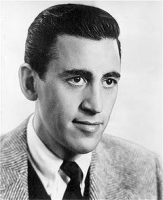 罗姆·大卫·塞林格
塞林格15歲時進賓夕法尼亞州一所軍事學校住讀,1936年畢業。1937年去波蘭學做火腿,不久國繼續讀書,先進3所學院,都未畢業。
1942年塞林格從軍,經一年多專門訓練,派赴歐洲做反間諜工作。1946年員紐約,專門從事寫作。
早在軍校讀書時,塞林格即練習寫作。1940年外表電表處女作,到1951年出版長篇小說《麥田的守望者》止,十多年中曾外表電表短篇小說20多篇。《麥田的守望者》出版,塞林格一舉成名。
《麥田的守望者》一外表電表就引起巨大的爭議,同時也使作者舉國聞名,因為一些評論譴責這部小說為非嚴肅文學,該書曾經被某些社列為禁書,隨還成為文學〈第一修正案〉的權利、審查、猥褻等問題的辯論中心。 這本小說雖然爭議很大,仍然受到大批讀者的喜愛,它是美國最受歡迎的暢銷書之一。這部小說帶有作者 年輕時一段自轉的性質,小說講述一個16歲少年,霍爾頓·考爾菲德(Holden Caulfield),在暑假前際因為5門功課有四門不及格被學校開除,在極度壓抑、頽廢、矛盾中度過的天經。早熟但幼稚的霍爾頓現現實世界的惡跟他理想的童年世界的“純真”形成巨大的反差、在看到成人世界的丑寅卯惡、虛偽沉湎於理想、純真的童年世界不能自拔,一直幻想能做個“純真”保護神,最精神幾乎崩潰,被送進一精神病醫院療養。在醫院療養康中他以第一人稱敘述自己的故事。 《麥》客觀又深刻地指出青少年在成長過成中所面臨的姓种种氏問題,如酗酒、功課壓力、精神壓抑、性行為等。
塞林格退伍,到紐約開始專心創作。他的第一本長篇小說《麥田的守望者》1951年出版,獲得很大的成功,塞林格一舉成名。他之的作品包括《弗蘭尼與卓埃》(1961年)、《木匠們,把屋梁升高》和《西摩:一個介紹》(1963年)和收錄他的短篇故事的《九故事》(1953年),但都不像《麥田的守望者》那麽成功。塞林格擅長塑造早熟、出衆的青少年的形象。
《麥田的守望者》獲得成功之,塞林格變得更孤僻。他在新罕什爾州鄉間的河邊小山附近買下90多英畝的土地,在山頂上建一座小屋,過起隱居的生活。他雖然從未放棄寫作,但他在1951年之,就很少公開出版自己的作品。他期的作品也越來越傾於東方哲學和禪宗。
Raised in Manhattan, Salinger began writing short stories while in secondary school, and published several stories in the early 1940s before serving in World War II. In 1948 he published the critically acclaimed story "A Perfect Day for Bananafish" in The New Yorker magazine, which became home to much of his subsequent work. In 1951 Salinger released his novel The Catcher in the Rye, an immediate popular success. His depiction of adolescent alienation and loss of innocence in the protagonist Holden Caulfield was influential, especially among adolescent readers. The novel remains widely read and controversial, selling around 250,000 copies a year.
The success of The Catcher in the Rye led to public attention and scrutiny: Salinger became reclusive, publishing new work less frequently. He followed Catcher with a short story collection, Nine Stories (1953), a collection of a novella and a short story, Franny and Zooey (1961), and a collection of two novellas, Raise High the Roof Beam, Carpenters and Seymour: An Introduction (1963). His last published work, a novella entitled "Hapworth 16, 1924", appeared in The New Yorker on June 19, 1965.
Afterward, Salinger struggled with unwanted attention, including a legal battle in the 1980s with biographer Ian Hamilton and the release in the late 1990s of memoirs written by two people close to him: Joyce Maynard, an ex-lover; and Margaret Salinger, his daughter. In 1996, a small publisher announced a deal with Salinger to publish "Hapworth 16, 1924" in book form, but amid the ensuing publicity, the release was indefinitely delayed . He made headlines around the globe in June 2009, after filing a lawsuit against another writer for copyright infringement resulting from that writer's use of one of Salinger's characters from The Catcher in the Rye. Salinger died of natural causes on January 27, 2010, at his home in Cornish, New Hampshire.