| 姓: | |||||||||||||
| 名: | 東坡 | ||||||||||||
| 字: | 子瞻 | ||||||||||||
| 网笔号: | 東坡居士 | ||||||||||||
| 籍贯: | 河北欒城 | ||||||||||||
| 今属: | 四川省眉山市 | ||||||||||||
| 出生地: | 眉州眉山 | ||||||||||||
| 去世地: | 兩浙路常州 | ||||||||||||
| 陵墓: | 河南郟縣 | ||||||||||||
阅读軾 Su Shi在百家争鸣的作品!!! 阅读軾 Su Shi在诗海的作品!!! | |||||||||||||
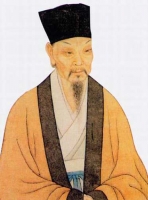 苏轼
苏轼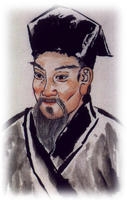 苏轼 人物简介
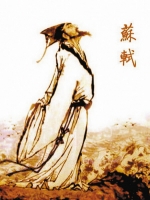 苏轼
苏轼軾(1037年1月8日-1101年8月24日),眉州眉山(今四川省眉山市)人,北宋時著名的文學家、政治、藝學家全家家庭家乡、醫學家。字子瞻,一字和仲,號東坡居士、鐵冠道人。嘉佑二年進士,官至端明殿學士兼翰林學士,禮部尚書。南宋理學方熾時,加賜謚號文忠,追贈太師。有《東坡先生大全集》及《東坡樂府》詞集傳世,宋人王宗稷收其作品,編有《文忠公全集》。
其散文、詩、詞、賦均有成就,且善書法和繪畫,是文學藝史上的通,也是公認韻文散文造詣皆比較傑出的大。軾的散文為唐宋四(韓柳歐)之末,與唐代的古文運動起者韓愈稱為“韓潮海”,也與歐陽修稱“歐”;更與父親洵、弟轍稱“三”,父子三人,同列唐宋八大。軾之詩與黃庭堅稱“黃”,又與陸遊稱“陸”;其詞“以詩入詞”,首開詞“豪放”一派,振作晚唐、五代以來綺靡的西昆姓余余氏余姓余公余家余曰余姚余杭余云余道余将老風。世與南宋辛棄疾稱“辛”,惟軾故作豪放,其實清朗;其賦亦頗有名氣,最知名者為貶謫期間題揮寫的前《赤壁賦》。宋代每逢科考常出現其文命題之考試,故當時學者曰:“文熟,吃羊肉、文生,嚼菜羹”。藝方面,書法名列“、黃、米、蔡”北宋四大書法(宋四)之首;其畫則開創湖州畫派;在題畫文學史上占有舉足輕重的地位。
政治上,在王安石變法期間,雖贊同政治應該改革,但反對王安石任用的任呂惠卿及一些政策,招來新爪牙李定橫加陷害;來又因反對“廢新法”受到司馬光為首的舊斥退,終生當不宰相。在新舊爭中兩邊不討好導致仕途失意,被侍妾王朝戲稱為“一肚皮不時宜”。元祐更化中,一度官至尚書;宋哲宗紹聖述又加貶謫至儋州(海南島);徽宗即位,遇赦北歸時病卒於常州。墓在河南郟縣。
生平
世
祖父序,字仲先。祖母史氏。父洵,母程氏。宋仁宗景祐三年(1037年),軾生於眉州眉山(今四川省眉山市)。其父親將他命名“軾”,意為車前的扶手,取其默默無聞卻扶危救,不可或缺之意。軾有一個弟弟轍,小他兩歲(1039年出生),兩兄弟從小到大一起讀書遊玩,來也同一年中進士。
軾年幼時父親出遊在外,母親將其養大,教他讀書,曾令其以滂為榜樣。軾生性放達,好交友。和其父洵、其弟轍稱“三”。
洵修編族譜,自稱是初唐相國味道裔。然而洵自己也承認味道的人與自己的高祖之間世不可考證,洵的高祖是信史的上限。洵的尋根方法,在當時就有人不以為然。柳立言認為洵修撰族譜編寫世,將三百多年前的唐代宰相味道當做自己族的始遷祖,是看中味道的知名度,洵編訂族譜的目的是不問親疏,團结姓人士,爭取共享政治和社會資源,以虛構始祖來聯宗。
仕途
嘉佑二年(1057年),軾20歲,與弟弟轍一同進京參加會考,軾中進士第2名。當時主試官是歐陽脩,軾以一篇《刑賞忠厚之至論》的論文得到考官梅堯臣的青睞,推薦給主試官歐陽修。歐陽修亦十分贊賞,原本欲拔擢為第一,但又怕該文為自己的門生曾鞏所作,為避嫌,列為第二。結果試卷拆封發達現該文為軾所作,而取為第一的是曾鞏,正是陰錯陽差,弄巧成拙。[來源請求]到禮部試時,軾再以《春對義》居曾鞏之前,中乙科。
治平三年(1066年),父洵過世,軾蜀守喪,英宗憐之,同意以官船載運軾一。
熙寧二年(1069年),任祠部員外郎,反對王安石變法中的一些作為,王安石於是屢次在神宗前詆毀軾,司馬光、范镇舉薦軾作諫官,王安石力反之,神宗想讓軾寫起居註,王安石神宗進言,說軾在學家全家家庭家乡守喪時,乘機販運木(一種染料),最神宗放棄這個任命。三年,因為軾一直反對王安石,王安石門下的御史謝景溫又誣陷軾販賣私????,范镇極辯軾販????之誣,意退休負責。
熙寧三年(1070年),軾擔任當年度的科舉主考官,軾本欲擬上官均為第一名(狀元),因現上官均的策論有詆毀王安石變法的情況,便改上官均為第二名。
熙寧五年(1072年)軾因不堪新的迫害,求外職,神宗本欲予以知州,但王安石予之潁州通判,神宗最折本中,讓軾擔任比較好的杭州通判,三年之升為知州,連知密州、徐州、湖州。熙寧十年四月,赴任徐州,是年七月七日,黃河决口,水徐州,軾參加救災。
元二年(1079年),四十三歲時,因烏詩案入獄,死,因為寫文章朝廷訣,太皇太曹氏、王安禮等人出力輓,神宗動心,軾終免一死,貶謫為“檢校尚書水部員外郎黃州練副使本州安置”,為其文學創作生涯的重要階段,而神宗亦愛其,終得以保全,翌年被貶至黃州(今湖北省黃岡市),在黃州“深自閉塞,扁舟革履,放浪山水之間,與漁樵雜處”,與張懷民交遊,也結交禪門人士,當時佛印擔任廬山歸宗寺住持,與軾時有往來。軾有〈戲答佛印偈〉曰:“百燈作一燈光,是恆沙妙法王,是故東坡不敢,君四大作禪床。”元七年離開黃州。
元祐元年(1086年),宋哲宗即位,高太皇太垂簾聽政,朝任禮部郎中、中書人、翰林學士,元祐四年(1089年)拜竜圖閣學士,曾出知杭州、潁州等,官至禮部尚書。
元符三年(1100年),宋徽宗即位,太垂簾聽政,下詔讓軾北還。
建中靖國元年(1101年),夏天因冷飲過度,下痢不止,又誤服黃芪,結果病情惡化,“齒間出血如蚯蚓者無數”,七月二十八日於常州孫氏館病卒,享年六十四歲。由弟轍歸葬於郟縣小峨眉山。南宋宋孝宗追贈謚號“文忠”。
軾疲於應付新舊爭,遇事“如食內有蠅,吐之乃已”,軾既反對王安石比較急進的改革措施,也不同意舊司馬光廢新法,所以雖然新一直稱軾為舊,但其實他在新舊兩之間均受排斥,仕途坎坷,時常遠貶外方,不過他在各地居官清正,為民興利除弊,政績頗善,口碑甚佳,杭州西湖的堤就是實證。
性格
好美食,創造許多飲食精品,好品茗,亦雅好遊山林,黃庭堅稱他“真神仙中人”。

風格

其文汪洋恣肆,明白暢達,曾自謂:“大略如行流水,初無定質,但行於所當行,常止於所不可不止,雖嬉笑怒駡之辭,皆可書而誦之。”其詩清新豪健,善用誇張比喻。其渾涵光芒,雄視百代,有文章以來,蓋亦鮮矣。一時文人如黃庭堅、晁補之、秦觀、張耒、陳師道,舉世未之識,軾待之如朋儔,未嘗以師資自予也。
黃州詞,是詞的奇觀;黃州文,則是文的高峰;《赤壁賦》是其高峰之巔。黃庭堅曾批評軾說:“東坡文章妙天下,其短處在好駡,慎勿襲其軌也”。陳岩肖說:“坡為人慷慨疾惡,亦時見於詩,有古人規諷”。陳師道說:“詩始學劉禹錫,故多怨刺,學不可不慎也”。
詩風
軾工詩,與黃庭堅稱“黃”。現存約二七百多首,其詩內容廣阔,風格多樣,而以豪放為主。對人影響最大的也是抒人生感慨和歌詠自然景物的詩篇,現出宋詩重理趣,好議論的特。〈飲湖上初晴雨〉寫西湖之美:“水光瀲灧晴方好,山色空濛雨亦奇。欲把西湖比西子,淡妝濃抹總相宜。”
元四年暮春三月,東坡寫下〈黃州寒食詩帖〉。此帖為兩首五言古風,詩句沉蒼勁,低長嘆,極富感染力。其書法不拘小節,字形章法佈局俱佳,頗有右軍遺意,唯用筆失之草率,在書法史上影響很大,二十世紀末更被譽為〈蘭亭序〉、〈祭侄帖〉之的“天下第三行書”。黃庭堅在此帖題跋:“東坡此詩似李太白,猶恐太白有未到處。此書兼顔魯公、楊少師、李西筆意,試使東坡為之,未必及此。它日東坡或見此書,應笑我於無佛處稱尊也。”弁《麯洧舊聞》:“東坡文章至黃州以,人莫能及,唯黃魯直詩時可以抗衡;晚年過海,則魯直亦瞠乎其矣。”
白稱詩仙,古絶倫;杜詩律聖,拓宇七言;東坡晚出,各皆能,無題不作,比配詩神。
詞風
現存三百四十多首《念奴嬌·赤壁懷古》、《水調歌頭·明月時有》、《定風波》傳誦甚。
軾擴大詞的內容,抒情寫景、說理懷古、感事等題材,無一不可入詞。軾提高詞的意境,擴大和開拓詞境,提高格調,豪放詞以外,也有清曠飄逸、空靈雋永、以至纏綿嫵媚之作。
軾詞風豪放(王國維曰“東坡之詞曠”),將詞“詩化”,筆力雄健,個性鮮明,展現出作者曠達、爽朗的個性,多豪情壯語,意氣昂揚,感情奔放,想像豐富奇特。
裁和音律上,軾不喜剪裁以就聲律,詞的文學生命重於音樂的生命。詞作品往往有序,闡明詞的內容,或作詞的原委、時間、地點,事實分明。
相傳軾官翰林學士時,曾問幕下士:“我詞何如柳七(柳永)?”幕下士答曰:“柳郎中詞好合十七八歲女郎,執紅牙,歌‘楊柳岸曉風殘月’。學士詞關西大漢,銅琵琶、鐵綽,唱‘大江東去’。”
軾的詞風被歸類在“豪放派”,所以與周邦彥的“格律派”大相徑庭。南宋時知名的詞人辛棄疾也是豪放派的詞人,世將東坡與辛棄疾稱為“辛”。
賦風

書風
軾晚年用筆沉着,早期書法代作為〈治平帖〉,筆觸精到,字態嫵媚。中年代作為〈黃州寒食詩帖〉。此詩帖元五年(1082年)軾因為烏詩案遭貶黃州時所寫詩兩首。詩句沉蒼涼又不失曠達,書法用筆、墨色也隨着詩句語境的變化而變化,跌宕起伏,氣勢不凡而又一氣呵成,不拘小節,率意為之,二十世紀末被譽為“天下第三行書”。晚年代作有行書〈洞庭春色賦〉、〈中山醪賦〉等,此二賦以古雅,姿態百出而結構緊密,集中反映江蘇紫蘇蘇维埃軾書法“結短肥”的特點。其最晚的墨跡當是〈與謝民師論文帖〉(1100年)。
其代作有〈黃州寒食詩帖〉、〈天際烏帖〉、〈洞庭春色賦〉、〈中山醪賦〉、〈春帖子詞〉、〈愛酒詩〉、〈寒食詩〉、〈蜀中詩〉、〈人來得書帖〉、〈答謝民師論文帖〉、〈江上帖〉、〈李白仙詩帖〉、〈次韻秦太虛詩帖〉、〈渡海帖〉、〈祭黃道文〉、〈梅花詩帖〉、〈前赤壁賦〉、〈東武帖〉、〈北遊帖〉、〈新歲展慶帖〉、〈寶月帖〉、〈令子帖〉、〈南圭使君帖〉、〈次辯韻詩〉、〈一夜帖〉、〈宸奎閣碑〉、〈若虛總管尺牘〉、〈懷素自序〉等。軾的書法,人贊譽頗高。最有言權的莫過於黃庭堅,他在《山𠔌集》說,“本朝善書者,自當推()為第一”。

畫風
能畫竹,學文同,也喜作枯木怪石。存世畫跡有〈枯木怪石圖〉、〈瀟湘竹石圖〉等。
著作
軾現存於世的文學著作共有2700多首詩,300多首詞,以及大量散文作品。
最早的詞則寫於熙寧五年(1072年)。
存世書跡有〈答謝民師論文帖〉、〈祭黃道文〉、〈前赤壁賦〉、〈黃州寒食詩帖〉、〈題西林壁〉、〈飲湖上初晴雨〉等。
因南宋皇帝宋高宗、宋孝宗等對他其人其作的推崇,有宋一朝整理出版《文忠公詩註》《文忠公全集》等多部集作。《文忠公全集》又稱《東坡全集》,傳世的,至今所見,可分兩大類。一類為分集編訂,號稱東坡七集本,亦標東坡全集,即東坡集四十,集二十,奏議十五,內集十,外集三,和陶詩四,應詔集十,其出自軾原本原目,人稍加增益,為之善本,風行海內;一類為分類編,號稱東坡大全集,《四庫提要辨證》:“分類編者,疑即始於居世英本,宋時所謂大全集者類用此例,”又云:“宋時所刊大全集者,乃麻沙書坊所刻。”
家庭
| [顯示]先祖 |
|---|
祖父:
父親:
母親:
兄弟姐妹:
洵與程氏共生有三男三女,然長子景先與三名女兒皆卒於程氏去世之前。雖然傳說的“小妹三難新郎”故事中,東坡有個嫁與秦觀的妹妹,但根考證,東坡筆記著作中從未曾提到有妹妹,而且秦觀在二十九歲且已經娶妻之,初遇東坡,小妹應為虛構人物。
妻妾:
- 王弗,軾之妻,十六歲時與年方十九的軾成婚,婚二人恩愛甜蜜。結婚十一年因病逝世,得年二十七。軾四十歲時曾作〈江城子·乙卯正月二十日夜記夢〉悼念亡妻。
- 王閏之,軾之妻,王弗堂妹,王弗逝去三年嫁給軾。軾五十八歲時逝世,享年四十六。
- 王朝,軾之妾,原為歌妓。三十八歲時的軾贖十二歲的朝,收為侍妾。陪伴軾度過仕途不順的歲月。卒於紹聖三年,享年三十四。
子女:
堂妹:
評價
古代
- 張戒:“自漢魏以來,詩妙於子建,成於李、杜,而壞於、黃。”(《歲寒堂詩話》上)
- 《宋史》:“軾自為童子時,士有傳石介《慶聖德詩》至蜀中者,軾舉詩中所言韓、富、杜、諸賢以問其師。師怪而語之,則曰:“正欲識是諸人耳。”蓋已有頡頏當世賢哲之意。弱冠,父子兄弟至京師,一日而聲名赫然,動於四方。既而登上第,擢詞科,入掌書命,出典方州。器識之閎偉,議論之卓犖,文章之雄雋,政事之精明,四者皆能以特立之志為之主,而以邁往之氣輔之。故意之所,言足以達其有猷,行足以遂其有為。至於禍患之來,節義足以固其有守,皆志與氣所為也。仁宗初讀軾、轍策,退而喜曰:“朕今日為子孫得兩宰相矣。”神宗尤愛其文,宮中讀之,膳進忘食,稱為天下奇才。二君皆有以知軾,而軾卒不得大用。一歐陽修先識之,其名遂與之齊,豈非軾之所長不可掩抑者,天下之至公也,相不相有命焉,嗚呼!軾不得相,又豈非幸歟?或謂:“軾稍自韜戢,雖不柄用,亦當免禍。”雖然,假令軾以是而易其所為,尚得為軾哉?”
- 宋仁宗:“吾今又為吾子孫得太平宰相兩人。”
- 劉安世說:“東坡立朝大節極可觀,意高,惟己之是信。”
- 黃庭堅:“人謂東坡作此文,因難以見巧,故極工。則以為不然。彼其老於文章,故落筆皆超逸絶塵耳。”、給軾的輓聯說:“文章妙天下,忠義貫日月。”、“真神仙中人。”
- 晁無咎:“東坡詞,人謂多不諧音律。然居士詞橫放傑出,自是麯子中縛不住者。”
- 王直方:“東坡以所作小詞示無咎、文潛,曰:‘何如少遊?’二人皆對曰:‘少遊詩似小詞,先生小詞似詩。’”
- 王灼:“東坡先生以文章餘事作詩,溢而作詞麯,高處出神入天,平處尚臨鏡笑春,不顧儕輩。或曰:‘長短句中詩也。’為此論者,乃是遭柳永野狐涎之毒。詩與樂府同出,豈當分異?若從柳氏法,正自不分異耳。東坡先生非心醉於音律者,偶爾作歌,指出上一路,新天下耳目,弄筆者始知自振。今少年妄謂東坡移詩律作長短句,十有八九不學柳耆卿則學曹元寵,雖可笑,亦毋用笑也。”
- 宋孝宗:“忠言讜論,立朝大節,一時廷臣無出其右。”
- 陸遊評:“世言東坡不能歌,故所作東府詞多不協。晁以道謂:紹聖初,與東坡於汴上,東坡酒酣,自歌〈古陽關〉。則公非不能歌,但豪放不喜剪裁以就聲律耳。試取東坡諸詞歌之,麯終,覺天風海雨逼人。”、“公不以一身禍福,易其憂國之心,載之下,生氣凜然。”
- 陳洵:“東坡獨崇氣格,箴規柳、秦,詞之尊,自東坡始。”
- 徐度:“(柳永)詞雖極工緻,然多雜以鄙語,故流俗人尤喜道之。其歐、諸公繼出,文格一變,至為歌詞,節制制度高雅。”
- 寅:“詞麯者,古樂府之末造也。文章豪放之士,鮮不寄意於此者,隨亦自掃其跡,曰謔浪遊戲而已也。唐人為之最工者。柳耆卿出,掩衆而其妙。好之者以為不可加。及眉山氏,一洗綺羅香澤之態,擺脫綢繆宛轉之度,使人登高望遠,舉首高歌,而逸懷浩氣,超然乎塵垢之外,於是花間為皂隸,而柳氏為輿矣。”
- 王若虛:“是直以公為不及於情也。嗚呼!風韻如東坡,而謂不及於情,可乎?彼高人逸士,正當如是。其溢為小詞,而閑及於脂粉之間,所謂滑稽玩戲,聊爾爾者也。若乃纖豔淫媟,入人骨髓,如田中行、柳耆卿輩,豈公之雅趣也哉?公雄文大手,樂府乃其遊戲,顧豈於流俗爭哉?蓋其天資不凡,辭氣邁往,故落筆皆絶塵耳。”
- 劉辰翁:“詞至東坡,傾蕩磊落,如詩,如文,如天地奇觀。”
- 元好問:“唐歌詞多宮,又皆極力為之。自東坡一出,性情之外,不知有文字,真有“一洗萬古凡馬空”氣象。雖時作宮,亦豈可以宮概之?人有言,樂府本不難作,從東坡放筆便難作。此殆以工拙論,非知坡者。所以然者,詩三百所載小夫賤婦幽憂無聊賴之語,時猝為外物感觸,滿心而,肆口而成者爾。其初果欲被管弦。諧金石,經聖人手,以與六經傳乎?小夫賤婦且然,而謂東坡翰墨遊戲,乃求與前人角負,誤矣。自今觀之,東坡聖處,非有意於文字之為工,不得不然之為工也。坡以來,山𠔌、晁無咎、陳去非、辛幼安諸公,俱以歌詞取稱,吟詠性情,留連光景,清壯頓挫,能起人妙思。亦有語意拙直,不自緣飾,因病成妍者,皆自坡之。”
- 王士禎:“山𠔌:“東坡書挾海上風濤之氣。”讀坡詞,當作如是觀,瑣瑣與柳七較錙銖,無乃為髯公所笑?”、“漢魏以來,二姓余余氏余姓余公余家余曰余姚余杭余云余道余将老年間,以詩名其者衆矣。顧所號為仙者,唯曹子建、李太白、子瞻三人而已。”
- 王夫之:“揚雄、關朗、王弼、何晏、韓愈、軾之徒,日猖狂於天下,而張子韶、陸子靜、王伯安竊浮屠之邪見,以亂聖學。為其徒者,弗妨以其耽酒嗜色,漁利賴寵之身,蕩閑恥,而自矜妙悟焉。嗚呼,求明之害,尤烈於不明,亦至此哉!”
- 袁枚評詩:“有而無情,多趣而少韻:由於天分高,學力淺也。有起而無結,多剛而少柔:驗其知遇早晚景窮也。”
- 周濟:“人賞東坡粗豪,吾賞東坡韶秀。韶秀是東坡佳處,粗豪則病也。東坡每事俱不十分用力,古文、書、畫皆爾,詞亦爾。”
- 劉熙載:“東坡詞頗似老杜詩,以其無意不可入,無事不可言也。若其豪放之致,則時與太白為近。太白《憶秦娥》,聲情悲壯。晚唐、五代,惟趨婉麗。至東坡始能古。世論詞者,或轉以東坡為變調,不知晚唐、五代乃變調也。東坡《定風波》:‘尚孤瘦雪霜姿。”《荷花媚》:‘天然地,是風流標格。’、‘雪霜姿’、‘風流標格’,學坡詞者,便可從此領取。東坡詞具神仙出世之姿,方外白玉蟾諸,惜未詣此。”
- 曾國藩:“古人稱立德、立功、立言為三不朽。立德最難,自周漢以,罕見德傳者。立功如蕭、曹、房、杜、郭、李、韓、嶽,立言如馬、班、韓、歐、李、杜、、黃,古今曾有人?”
- 蔡嵩:“東坡詞,胸有萬卷,筆無點塵。其闊大處,不在能作豪放語,而在其襟懷有涵蓋一切氣象。若徒襲其外貌,何異東施效顰。東坡小令,清麗紆徐,雅人深緻,另一境。設非胸襟高曠,焉能有此吐屬。”
- 王鵬運:“北宋人詞,如潘逍遙之超逸,宋子京之華貴,歐陽文忠之騷雅,柳屯田之博,晏小山之疏俊,秦太虛之婉約,張子野之流麗,黃文節之雋上,賀方之醇肆,皆可模擬得其仿佛。唯文忠之清雄,夐乎軼塵絶世,令人無從步趨。蓋霄壤相懸,寧止才華而已?其性情,其學問,其襟抱,舉非恆流所能夢見。詞江蘇紫蘇蘇维埃辛稱,其實辛猶人境也,其殆仙乎!”
- 瀋曾植:“東坡以詩為詞,如雷大使之舞,雖極天下之工,要非本色。”此山談叢語也。然考蔡縧鐵圍山叢談,稱:‘上皇在位,時屬升平。手藝之人有稱者,棋則有劉仲甫、晉士明,琴則有僧梵如、僧全雅,教坊琵琶則有劉繼安,舞有雷中慶,世皆呼之為雷大使,笛則孟水清。此數人者,視前代之技皆過之。’然則雷大使乃教坊絶技,謂非本色,將外方樂乃為本色乎?”
- 夏敬觀:“東坡詞如春花散空,不着跡象,使柳枝歌之,正如天風海濤之麯,中多幽咽怨斷之音,此其上乘也。若夫激昂排宕、不可一世之概,陳無己所謂:‘如教坊雷大使之舞,雖極天下之工,要非本色。’乃其第二乘也。之學者,惟能知第二乘,未有能達上乘者,即稼軒亦然。東坡《永遇樂》詞:‘????如三鼓,鏗然一葉,黯黯夢驚斷。夜茫茫,重尋無處,覺來小園行遍。’此數語,可作東坡自道聖處。”
現代
- 錢穆說:“東坡詩之偉大,因他一輩子沒有在政治上得意過。他一生奔走潦倒,波瀾麯都在詩見。但東坡的儒學境界並不高,但在他處艱難的環境中,他的人格是偉大的,像他在黃州和來在惠州、瓊州的一段。那個時候詩都好,可是一安逸下來,就有些不行,詩境未免有時落俗套。東坡詩之長處,在有豪情,有逸趣。其恬靜不如王摩詰,其忠懇不如杜工部。”、“他們(氏兄弟)的學因罩上一層極厚的釋老的色,所以他們對於世務,認為沒有一種正面的、超出一切的理想標。他們一面對世務卻相當練達,憑他們活的聰明來隨機應付。他們亦並不信有某一種制度,定比一種制度好些。但他們的另一面,又愛好文章辭藻,所以他們持論,往往渲染過分,一說便說到量處。近於古代縱橫的策士。”
- 方東樹《昭昧詹言》:“東坡……自以真骨面目與天下相見,隨意吐屬,自然高妙。”
- 1930年代,當林語堂尚在海外飄零之時,身邊卻時時攜帶笨重的軾文集,來寫下文詞優美、膾炙人口[來源請求]的《東坡傳》。當他在《東坡傳》中提到為其作傳的理由時,說:“像東坡這樣富有創造力,這樣守正不阿,這樣放任不羈,這樣令人萬分傾倒而又望塵莫及的高士,有他的作品在書架上,就令人覺得有丰采富的精神食糧。現在我能專心致力寫他這本傳記,自然是一大樂事,此外還需要什麽的理由嗎?”這正切中林語堂自己的贊嘆:“東坡自有其迷人魔力。”、“東坡是一個無可救藥的樂天派、一個偉大的人道主義者、一個百姓的朋友、一個大文豪、大書法、創新的畫、造酒試驗、一個工程師、一個憎恨清教徒主義的人、一位瑜伽修行者佛教徒、巨儒政治、一個皇帝的秘書、酒仙、厚道的法官、一位在政治上專唱反調的人。一個月夜徘徊者、一個詩人、一個小。但是這還不足以道出東坡的全部……東坡比中國其他的詩人更具有多性天才的豐富感、變化感和幽默感,智能優異,心靈卻像天真的小孩——這混等於耶穌所謂蛇的智慧加上鴿子的溫文。”
- 王水照認為軾文學作品的數量之巨為北宋著名作之冠,質量之優則為北宋“文學最高成就的傑出代”。
- 2000年,法國《世界報》認為東坡的從政生涯與他的琴棋書畫一樣,都是人類的文化瑰寶,且在專欄“年人物”中,評選軾為唯一一位入選的中國人(共12位)。
- 2017/08/13,法國《世界報》副主編Jean-Pierre Langellier在第八屆東坡文化節的演講時,盛贊東坡的天才與人道精神。
註本

從宋代開始,軾作品的註本不斷出現,較著名有:
- 詩註
- 文註
- 詞註
軼聞
- 宋仁宗嘉佑二年,軾以一篇〈刑賞忠厚之至論〉的論文得到考官梅堯臣的青睞,推薦給主試官歐陽修。歐陽修亦十分贊賞,欲拔擢為第一,但又怕該文為自己的門生曾鞏所作,為避嫌,列為第二。結果試卷拆封發達現該文為軾所作。到禮部試時,軾再以〈春對義〉取為第一。
- 關於〈刑賞忠厚之至論〉中的內容:“臯陶曰殺之三,堯曰宥之三”,當時考官皆不知其典故,歐陽脩問軾出於何典。軾答在《三國志·孔融傳》中。歐陽脩翻查仍找不到,軾答:“曹操滅袁紹,以紹子袁熙妻甄宓賜子曹丕。孔融:‘即周武王伐紂以妲己賜周公’。操驚,問出於何典,融答:‘以今度之,想當然耳’。”歐陽脩聽畢恍然大悟。
- 宋哲宗元祐元年(1086年)司馬光去世,大臣們正舉行明堂祭拜大典,趕不及奠祭,儀式一完成,大臣們希望趕去吊喪,程頤卻攔住大,說孔子“是日哭則不歌”,參加明堂典禮之,不該又吊喪。大覺得這不近人情,反駁說,“哭則不歌”不代“歌則不哭”。軾嘲笑程頤說:“這是枉死市上的叔孫通訂的禮法。”這是軾、程頤兩人結怨的開始。
- 有一次國忌日,衆大臣到相國寺禱佛,程頤要求食素,軾責問說:“正叔(程頤字),你不是不喜好佛教嗎?為什麽要吃素食?”程頤說:“禮法:守喪不可飲酒吃肉;忌日,是喪事的延續。”軾唱反調:“支持劉的人露出左臂來罷!”(用史記典故,軾自比為漢朝的太尉周勃,把程頤比為呂氏亂,要求大支持他。)淳夫等人吃素食,而秦觀、黃庭堅等則吃肉。
- 軾很早接觸佛教,一生與禪師交遊頗,在黃州時常與金山寺主持佛印禪師來往,一日軾做一首詩偈“稽首天中天,毫光照大,八風吹不動,端坐紫金蓮”呈給佛印。禪師即批“放屁”二字,囑書童攜。東坡見大怒,立即過江責問禪師,禪師大笑:“學士,學士,您不是‘八風吹不動’嗎,怎又一‘屁’就打過江?”“八風吹不動”可見於《佛地經論》五,詩僧寒山詩歌亦有此句。
- 軾無論詩、詞、文、賦、字、畫,樣樣精到,常被認為乃是先人托化所致。州西郊石門靈隱山上有寶陀院、妙高,院住持得和尚臨終時,留信說三十年他的忌日,當有貴人來訪,可將遺書遞上。到元符三年(1100年)十月得和尚三十周年忌日,軾正好遊覽來到寶陀院,覺得一切都很熟悉,閱畢住持遺書,有感而題詩於妙高壁上:
寶陀山上寶陀院,白東坡喜再來。
前世得今是我,依稀尤見妙高。
- 軾本人是個美食,性喜酒肉,肉中尤以豬肉為最愛,按周紫芝《竹坡詩話》:“東坡性喜食豬”。還有傳說東坡肉和東坡酒相傳均為軾明。《麯洧舊聞》又記:東坡與客論食次,取紙一幅以示客:“爛蒸同州羊羔,灌以杏酪香梗,薦以蒸子鵝,吳興庖人斫江鱠;既飽,以廬山玉泉,烹曾坑品茶。少焉解衣仰臥,使人誦東坡先生〈赤壁前賦〉,亦足以一笑也。”
- 軾在〈與鞠持正書〉中寫下:“文登雖稍遠,百事可樂。島中出一藥,名曰:‘石芝’者,香味初嚼茶,久之甚美,聞甚益人!”。文中百事可樂意指凡事皆有樂趣,成為英語pepsi cola的音譯。
參看
影視形象
| 演員 | 作品 | 年份 | 類型 |
| 唐國強 | 水滸傳 | 1998 | 電視劇 |
| 魏駿傑 | 刁蠻嬌妻小妹 | 2010 | 電視劇 |
| 陸毅 | 東坡 | 2012 | 電視劇 |
| 歐陽震華 | 東坡事 | 2015 | 電視劇 |
| 鄭則仕 | 風流才子東坡 | 2001 | 電視劇 |
紀錄片
《東坡》,該片為中國央視所拍攝紀錄片,2017入選中國優秀國産紀錄片。
註釋
- ^ 子瞻責黃州,居州之東坡,作雪堂,自號東坡居士,人遂目子瞻為東坡。宋.彧《萍洲可談》127頁,中華書局
- ^ 晁說之《跋魯直新柑帖》:“元祐末有‘黃’之稱。”(《嵩山文集》十八)
- ^ 趙翼《甌北詩話》六稱:“宋詩以陸為兩大”。
- ^ 一說“蔡”本指蔡京,來因為蔡京人品不佳,被換成蔡襄。
- ^ 毛晉《米志林·是中何物》提到:“東坡一日退堂,食罷,捫腹徐行,顧謂侍兒曰:‘汝輩道我腹中何物?’一婢曰:‘都是文章。’坡不以為然。又一人曰:‘滿腹都是機械。’坡亦未以為當。至朝,乃曰:‘學士一肚皮不時宜。’坡捧腹大笑。”此事又見曹臣編《舌華錄》。
- ^ 《冷齋夜話》七“夢迎五祖戒禪師”引東坡語:“先妣方孕時夢一僧來托宿,記其頎然而眇一目。”張端義《貴耳集》上:“蜀有彭老山,東坡生則童,東坡死青。”金人劉祁《歸潛志》九則:“昔東坡生,一夕眉山草木死。”
- ^ 洵《名二子》:“輪、輻、蓋、軫,皆有職乎車。而軾獨若無所為者。雖然,去軾,則吾未見其為完車也。軾乎,吾懼汝之不外飾也。天下之車莫不由轍,而言車之功,轍不與焉。雖然,車馬斃,而患亦不及轍。是轍者,善處乎禍福之間也。轍乎,吾知免也矣!”
- ^ 《宋史·軾傳》:“軾,字子瞻,眉州眉山人。生十年,父洵遊學四方,母程氏親授以書。程氏讀東漢《滂傳》,慨然太息,軾請曰:“軾若為滂,母許之否乎?”程氏曰:“汝能為滂,吾顧不能為滂母邪?”
- ^ 《東坡事類》記載:“子瞻泛愛天下,士無賢不肖,歡如也。自言上可陪玉皇大帝,下可陪田院乞兒。子由晦默,少許可,誡子瞻擇交,子瞻曰:‘吾眼前天下無一個不好的人。’”
- ^ 軾:筆禿管,墨磨萬錠. 人民網-文史頻道. 2014-09-10 [2017-10-03].
- ^ 《宋代墓志銘的虛與實及其反映的歷史變化:軾乳母任採蓮墓志銘探微》, 《北京論壇(2005)文明的和諧與共同繁榮——全球化視野中亞洲的機遇與展:“歷史變化:實際的、被現的和想象的”歷史分論壇論文或摘要集(上)》2005年)》, 2014年: 47–50
- ^ 《答李端叔書》
- ^ 《東坡續集》六收錄有雙方的九封書信集。
- ^ 陸以湉《冷廬醫話》:“建中靖國元年,公自海外歸,年六十六,渡江至儀真,艤舟東海亭下,登金山妙高時,公决意歸毗陵,同米元章遊西山,逭暑南窗竹下,時方酷暑,公久在海外,覺舟中熱不可堪,夜輒露坐,飲冷過度,中夜暴下,至旦憊甚,食黃粥覺稍適。會元章約明日為筵,俄瘴毒大作,暴下不止,自是胸膈作脹,卻飲食,夜不能寐。……病暑飲冷暴下,不宜服黃芪,殆誤服之。胸脹熱雍,牙血泛濫,又不宜服人參、麥門鼕。噫,此非為補藥所誤耶?”
- ^ 《麯洧舊聞》
- ^ 軾曾說:“吾儕新法之初,輒守偏見,至有異同之論。雖此心耿耿,歸於憂國,而所言差謬,少有中理者。今聖德日新,衆化大成,視之所執,益覺疏矣。若變志易守,以求進取,固所不敢;若嘵嘵不已,則憂患愈深。”(《東坡續集》4《與滕達道》)舊專權,軾批評司馬光“專欲變熙寧之法,不較量利害,參用所長。”(《東坡奏議集》3《辯試館職策問札子》)
- ^ 軾的作品充斥着對食材的見解。貶黃州時,有詩《豬肉頌》:“黃州好豬肉,價錢等糞土。富者不肯吃,貧者不解煮。慢着火,少著水,火候足時它自美。每日起來打一碗,飽得自君莫管。”軾亦有詠荔枝詩,《惠州一絶》:“羅浮山下四時春,盧橘楊梅次第新。日啖荔枝三百顆,不辭長做嶺南人。”《河南邵氏聞見錄》記載軾嗜吃河豚。軾在儋州(海南島)寄給其弟子由詩中還提到老鼠肉、蝙蝠肉,以及癩蛤蟆的滋味,詩云:“土人頓頓食薯芋,薦以熏鼠燒蝙蝠;舊聞蜜唧嘔吐,稍近蝦蟆緣習俗。”
- ^ 《觀林詩話》載,軾喜歡鳳翔玉女洞的泉水,每次去,都要取兩瓶攜烹茶。
- ^ 《靈壁張氏園亭記》:“俯仰山林之下,予以養生冶性。”
- ^ 20.0 20.1 《題東坡字》:“元祐中鎖試禮部,每來見過,案上紙不擇精粗,書遍乃已。性喜酒,然不能四五龠已爛醉,不辭謝而就臥,鼻酣如雷。少焉醒,落筆如風雨,雖謔弄皆有義味,真神仙中人。此豈與今世翰墨之士爭衡哉!”(《豫章黃先生文集》二九)
- ^ 《答謝民師書》
- ^ 節錄《宋史》三百三十八《軾傳》
- ^ 《豫章黃先生文集》19《答洪駒父書》
- ^ 陳岩肖:《庚溪詩話》下
- ^ 陳師道:《山詩話》
- ^ 孔凡禮的《三年譜》考察《軾詩集》、《軾文集》,確定軾現存詩2700多首,文4300多篇。
- ^ 孔凡禮的《三年譜》在薛瑞生等人著作的基礎上,考察《全宋詞》、《全宋詞補輯》,說明軾現存詞320多首。
- ^ 俞文豹《吹劍錄》
- ^ °ê¥ß¬G®c³Õª«°. 國立故宮博物院網站:軾於元二年乙未(一○七九)被認為以詩諷刺時政(即烏詩案),八月,被貶為黃州練副使,次年二月抵任所,室於“東坡”,東坡之號即始於此。是以〈黃州寒食詩〉作於一○八二年。. Npm.gov.tw. [2017-06-04].
- ^ 30.0 30.1 王水照選註《軾選集》,上海古籍出版社,1984年2月第一版,ISBN 7-5325-0528-6。
- ^ 流傳年!東坡《木石圖》真跡現世 拍賣估破15億元. TVBS. 2018-08-30 [2018-08-31].
- ^ 波. 《東坡全集》版本考述. 四川圖書館學報. 2004, (2): 63.
- ^ 洵《祭亡妻文》:“有子六人,今誰在堂?惟軾與轍,僅存不亡。”
- ^ 歐陽修《明允墓志銘》:“生三子:曰景先,早卒;軾,今為殿中臣直史館;轍,權大名府推官。三女皆早卒。”
- ^ 林語堂. 東坡傳. 遠景. 2008-10-31. ISBN 9789573907312.
- ^ 洵《自尤〈敘〉》:“蓋壬辰之歲而喪幼女,始將以尤其夫,而卒以自尤也。女幼而好學,慷慨有過人之節,為文亦往往有可喜。既適其母之兄程瀎之子之才,年十有八而死。而瀎本儒者,然內行有所不謹,而其妻子尤好為無法。吾女介乎其間,因為其之所不悅。適會其病,其夫與其舅姑遂不之視而急棄之,使至於死。始其死時,怨之,雖尤吾之人亦不直瀎。獨友聞而深悲之,曰:‘夫彼何足尤者!子自知其賢,而不擇以予人,咎則在子,而尚誰怨?’予聞其言而深悲之。其八年,而予乃作自尤詩。”
- ^ 軾《乳母任氏墓志銘》:“乳亡姊八娘及軾。”
- ^ 袁枚《隨園詩話》:“東坡止有二妹;一適柳,一適程也。今俗傳為秦少遊之妻,誤矣!”
- ^ 《宋史·三百三十八·列傳第九十七》
- ^ 見馬永卿輯《元城語錄》上
- ^ 《跋東坡<醉翁操>》
- ^ 黃庭堅《跋東坡墨跡》
- ^ 轍《亡兄子瞻端明墓志銘》
- ^ 《漁隱叢話》前集四十二引《王直方詩話》
- ^ 軾傳記與集評
- ^ 《碧雞漫志》二
- ^ 《宋史·列傳第九十七》(三百三十八):“高宗即位,贈資政殿學士,以其孫符為禮部尚書。又以其文寘左右,讀之終日忘倦,謂為文章之宗,親集贊,賜其曾孫嶠。遂崇贈太師,謚文忠。軾三子:邁、迨、過,俱善為文。邁,駕部員外郎。迨,承務郎。”
- ^ 陸遊《老學庵筆記》
- ^ 汲古閣本子????《酒邊詞序》
- ^ 軾傳記與集評
- ^ 元好問《遺山文集》三十六《新軒樂府引》
- ^ 王士禎《花草蒙拾》
- ^ 《介存齋論詞雜著》
- ^ 軾傳記與集評
- ^ 曾國藩文集
- ^ 王鵬運《半塘遺稿》
- ^ 軾傳記與集評
- ^ 吷庵《手批東坡詞》
- ^ 王國維《清真先生遺事·尚論三》
- ^ 錢穆《國史大綱》
- ^ 《東坡傳·原序》,林語堂著,張振玉譯
- ^ 衣若芬:為什麽李白、杜甫不是“年英雄”?. 聯早報網. 2018-01-06 [2018-02-22] (英語).
- ^ 東坡緣何成為年英雄?讓皮埃爾解密東坡有一顆自由的靈魂_眉山新聞_四川新聞_四川在綫. sichuan.scol.com.cn.[2018-02-22].
- ^ 衣若芬:為什麽李白、杜甫不是“年英雄”?. 聯早報網. 2018-01-06 [2018-02-22] (英語).
- ^ 龔頤正《芥隱筆記·殺之三宥之三》
- ^ 《皇宋治跡統類》:“明堂降赦,臣僚稱賀訖,兩省官欲往奠司馬光。程頤言:‘子於是日,哭則不歌。豈可賀赦受不了,即往吊喪?’坐客有難之曰:‘孔子言哭則不歌,即不言歌則不哭。’軾遂戲程曰:‘此乃枉死市叔孫通所禮也。’衆皆大笑。結怨之端,蓋自此始。”
- ^ 《程子微言》:“他日國忌,禱於相國寺,伊川令供素饌,子瞻詰之曰:‘正叔不好佛,為食素?’正叔曰:‘禮,居喪不飲酒食肉,忌日,喪之也。’子瞻令具肉食,曰:‘為劉氏者左襢。’於是淳夫輩食素,秦、黃輩食肉。”
- ^ 《欒城集》二一《書白樂天集二首》說他“少年知讀佛書,習禪定。”
- ^ 宣化:《一屁蹦過江——東坡》,《宣化上人講述》;灣世新大學中文教授黃啓方指出“故事雖流傳甚,實乃子虛烏有”(《東坡和佛印》,載2010年4月21日《聯報》副刊)。
- ^ 《全唐詩》806
- ^ 翁方綱,《粵東金石略》
- ^ 詞條名稱:軾. 教育百科.
- ^ 詞條名稱:車轍. 教育百科.
- ^ 俞兆良、方麗萍. 東坡的酒肉人生與他的豁達情懷——以東坡酒和東坡肉為例. 樂山師學院學報. 2016. doi:10.16069/j.cnki.51-1610/g4.2016.01.003.
- ^ 詞條名稱:百事可樂
- ^ 劉建維. 《東坡》入選2017年優秀國産紀錄片 曾在黃岡多地取景拍攝_荊楚網. news.cnhubei.com. [2018-02-22]. (原始內容存檔於2018-02-22).
參考書目
研究書目
- 林語堂著,宋碧譯:《東坡傳》(北:遠景出版社,1979)。
- 保苅佳昭:《新興與傳統——軾詞論述》(上海:上海古籍出版社,2005)。
- 內山精也著,剛等譯:《傳媒與真相——軾及其周圍士大夫的文學》(上海:上海古籍出版社,2005)。
- 柳立言:〈軾乳母任採蓮墓志銘所反映的歷史變化〉。
- 葉嘉瑩:〈論軾詞〉。
- 淺見洋二:〈言論統下的文學文本——以軾詩歌創作為中心〉。
- 淺見洋二:〈軾及楊萬詩中山水的擬人化〉。
- 內山精也:〈軾次韻詞考——以詩詞間所呈現的次韻之異同為中心〉。
- 東坡詞酒意象探析,作者:許育喬,2008-02-22,國立灣師大學,機構典藏[永久失效鏈接]
- 東坡詞夢意象的研究,作者:黃惠芳,2008-07-18,國立灣師大學
外部鏈接
Su Shi (Chinese: 蘇軾 / 軾;8 January 1037 – 24 August 1101), courtesy name Zizhan (Chinese: 子瞻), art name Dongpo (Chinese: 東坡), was a Chinese calligrapher, gastronome, painter, pharmacologist, poet, politician, and writer of the Song dynasty. A major personality of the Song era, Su was an important figure in Song Dynasty politics, aligning himself with Sima Guang and others, against the New Policy party led by Wang Anshi.
Su Shi is widely regarded as one of the most accomplished figures in classical Chinese literature, having produced some of the most well-known poems, lyrics, prose, and essays. Su Shi was famed as an essayist, and his prose writings lucidly contribute to the understanding of topics such as 11th-century Chinese travel literature or detailed information on the contemporary Chinese iron industry. His poetry has a long history of popularity and influence in China, Japan, and other areas in the near vicinity and is well known in the English-speaking parts of the world through the translations by Arthur Waley, among others. In terms of the arts, Su Shi has some claim to being "the pre-eminent personality of the eleventh century." Dongpo pork, a prominent dish in Hangzhou cuisine, is named in his honor.
Life
Su Shi was born in Meishan, near Mount Emei today Sichuan province. His brother Su Zhe and his father Su Xun were both famous literati. His given name, Shi (軾), refers to the crossbar railing at the front of a chariot; Su Xun felt that the railing was a humble, but indispensable, part of a carriage.
Su's early education was conducted under a Taoist priest at a local village school. Later his educated mother took over. Su married at the age of 17. Su and his younger brother (Zhe) had a close relationship, and in 1057, when Su was 19, he and his brother both passed the (highest-level) civil service examinations to attain the degree of jinshi, a prerequisite for high government office. His accomplishments at such a young age attracted the attention of Emperor Renzong, and also that of Ouyang Xiu, who became Su's patron thereafter. Ouyang had already been known as an admirer of Su Xun, sanctioning his literary style at court and stating that no other pleased him more. When the 1057 jinshi examinations were given, Ouyang Xiu required—without prior notice—that candidates were to write in the ancient prose style when answering questions on the Confucian classics. The Su brothers gained high honors for what were deemed impeccable answers and achieved celebrity status, especially in the case of Su Shi's exceptional performance in the subsequent 1061 decree examinations.
Beginning in 1060 and throughout the following twenty years, Su held a variety of government positions throughout China; most notably in Hangzhou, where he was responsible for constructing a pedestrian causeway across the West Lake that still bears his name: sudi (堤, 蘇堤, Su causeway). He had served as a magistrate in Mi Prefecture, which is located in modern-day Zhucheng County of Shandong province. Later, when he was governor of Xuzhou, he wrote a memorial to the throne in 1078 complaining about the troubling economic conditions and potential for armed rebellion in Liguo Industrial Prefecture, where a large part of the Chinese iron industry was located.
Su Shi was often at odds with a political faction headed by Wang Anshi. Su Shi once wrote a poem criticizing Wang Anshi's reforms, especially the government monopoly imposed on the salt industry. The dominance of the reformist faction at court allowed the New Policy Group greater ability to have Su Shi exiled for political crimes. The claim was that Su was criticizing the emperor, when in fact Su Shi's poetry was aimed at criticizing Wang's reforms. It should be said that Wang Anshi played no part in this action against Su, for he had retired from public life in 1076 and established a cordial relationship with Su Shi. Su Shi's first remote trip of exile (1080–1086) was to Huangzhou, Hubei. This post carried a nominal title, but no stipend, leaving Su in poverty. During this period, he began Buddhist meditation. With help from a friend, Su built a small residence on a parcel of land in 1081. Su Shi lived at a farm called Dongpo ('Eastern Slope'), from which he took his literary pseudonym. While banished to Hubei province, he grew fond of the area he lived in; many of the poems considered his best were written in this period. His most famous piece of calligraphy, Han Shi Tie, was also written there. In 1086, Su and all other banished statesmen were recalled to the capital due to the ascension of a new government. However, Su was banished a second time (1094–1100) to Huizhou (now in Guangdong province) and Hainan island. In 1098 the Dongpo Academy in Hainan was built on the site of the residence that he lived in whilst in exile.
Although political bickering and opposition usually split ministers of court into rivaling groups, there were moments of non-partisanship and cooperation from both sides. For example, although the prominent scientist and statesman Shen Kuo (1031–1095) was one of Wang Anshi's most trusted associates and political allies, Shen nonetheless befriended Su Shi. Su Shi was aware that it was Shen Kuo who, as regional inspector of Zhejiang, presented Su Shi's poetry to the court sometime between 1073 and 1075 with concern that it expressed abusive and hateful sentiments against the Song court. It was these poetry pieces that Li Ding and Shu Dan later utilized in order to instigate a law case against Su Shi, although until that point Su Shi did not think much of Shen Kuo's actions in bringing the poetry to light.
After a long period of political exile, Su received a pardon in 1100 and was posted to Chengdu. However, he died in Changzhou, Jiangsu province after his period of exile and while he was en route to his new assignment in the year 1101. Su Shi was 64 years old. After his death he gained even greater popularity, as people sought to collect his calligraphy, paintings depicting him, stone inscriptions marking his visit to numerous places, and built shrines in his honor. He was also depicted in artwork made posthumously, such as in Li Song's (1190–1225) painting of Su traveling in a boat, known as Su Dongpo at Red Cliff, after Su Song's poem written about a 3rd-century Chinese battle.
Family

Su Shi had three wives. His first wife was Wang Fu (王弗, 1039–1065), an astute, quiet lady from Sichuan who married him at the age of sixteen. She died 13 years later in 1065, on the second day of the fifth Chinese lunar month (Gregorian calendar June 14), after bearing him a son, Su Mai (蘇邁). Heartbroken, Su wrote a memorial for her (《亡妻王氏墓志銘》), stating Fu was not just a virtuous wife but advised him frequently on the integrity of his acquaintances when he was an official.
Ten years after the death of his first wife, Su composed a (ci) poem after dreaming of the deceased Fu in the night at Mi Prefecture. The poem, To the tune of 'Of Jinling' (江城子), remains one of the most famous poems Su wrote.
In 1068, two years after Wang Fu's death, Su married Wang Runzhi (王閏之, 1048–93), cousin of his first wife, and 11 years his junior. Wang Runzhi spent the next 15 years accompanying Su through his ups and downs in officialdom and political exile. Su praised Runzhi for being an understanding wife who treated his three sons equally (his eldest, Su Mai(邁,蘇邁), was born by Fu). Once, Su was angry with his young son for not understanding his unhappiness during his political exile. Wang chided Su for his silliness, prompting Su to write the domestic poem Young Son (《小兒》).
Wang Runzhi died in 1093, at forty-six, after bearing Su two sons, Su Dai (迨,蘇迨) and Su Guo (過,蘇過). Overcame with grief, Su expressed his wish to be buried with her in her memorial (see memorial 《祭亡妻同安郡君文》). On his second wife's second birthday after her death, Su wrote another ci poem, To the tune of 'Butterflies going after Flowers' (《蝶戀花》), for her.
Su's third wife, Wang Zhaoyun (王朝雲, 1062–1095) was his handmaiden who was a former Qiantang singing artiste. Wang was only about ten (eleven sui) when she became his personal slave. After she taught, herself to read though she was formerly illiterate. Zhaoyun was probably the most famous of Su's companions. Su's friend Qin Guan wrote a poem, A Gift for Dongpo's concubine Zhaoyun (《贈東坡妾朝雲》), praising her beauty and lovely voice. Su dedicated a number of his poems to Zhaoyun, like To the Tune of 'Song of the South’《南歌子》, Verses for Zhaoyun (《朝雲詩》), To the Tune of 'The Beauty Who asks One to Stay' (《殢人嬌·贈朝雲》), To the Tune of 'The Moon at Western Stream' 《西江月》. Zhaoyun remained a faithful companion to Su after Runzhi's death, but died of illness on 13 August 1095 (紹聖三年七月五日) at Huizhou. Zhaoyun bore Su a son, Su Dun (蘇遁) on 15 November 1083, who died in his infancy. After Zhaoyun's death, Su never married again.
Being a government official in a family of officials, Su was often separated from his loved ones depending on his posting. In 1078, he was serving as prefect of Suzhou. His beloved younger brother was able to join him for the mid-autumn festival, which inspired the poem "Mid-Autumn Moon" reflecting on the preciousness of time with family. It was written to be sung to the tune of "Yang Pass."
- As evening clouds withdraw a clear cool air floods in
- the jade wheel passes silently across the Silver River
- this life this night has rarely been kind
- where will we see this moon next year
- (translation by Red Pine)
Su Shi had three adult sons, the eldest son being Su Mai (蘇邁), who would also become a government official by 1084. Su Dai (蘇迨) and Su Guo (蘇過) are his other sons. When Su Shi died in 1101, his younger brother Su Zhe (蘇轍) buried him alongside second wife Wang Runzhi according to his wishes.
Work
Poetry

Around 2,700 of Su Song's poems have survived, along with 800 written letters. Su Dongpo excelled in the shi, ci and fu forms of poetry, as well as prose, calligraphy and painting. Some of his notable works include the First and Second Chibifu (赤壁賦 The Red Cliffs, written during his first exile), Nian Nu Jiao: Chibi Huai Gu (念奴嬌.赤壁懷古 Remembering Chibi, to the tune of Nian Nu Jiao) and Shui diao ge tou (水調歌頭 Remembering Su Zhe on the Mid-Autumn Festival, 中節,中節). The two former poems were inspired by the 3rd century naval battle of the Three Kingdoms era, the Battle of Chibi in the year 208. The bulk of his poems are in the shi style, but his poetic fame rests largely on his 350 ci style poems. Su Shi also founded the haofang school, which cultivated an attitude of heroic abandon. In both his written works and his visual art, he combined spontaneity, objectivity and vivid descriptions of natural phenomena. Su Shi wrote essays as well, many of which are on politics and governance, including his Liuhoulun (留侯論). His popular politically charged poetry was often the reason for the wrath of Wang Anshi's supporters towards him, culminating with the Crow Terrace Poetry Trial of 1079. He also wrote poems on Buddhist topics, including a poem later extensively commented on by Eihei Dōgen, the founder of the Japanese Sōtō school of Zen, in a chapter of his work Shōbōgenzō entitled The Sounds of Valley Streams, the Forms of Mountains.
Travel record literature

Su Shi also wrote of his travel experiences in 'daytrip essays', which belonged in part to the popular Song era literary category of 'travel record literature' (youji wenxue) that employed the use of narrative, diary, and prose styles of writing. Although other works in Chinese travel literature contained a wealth of cultural, geographical, topographical, and technical information, the central purpose of the daytrip essay was to use a setting and event in order to convey a philosophical or moral argument, which often employed persuasive writing. For example, Su Shi's daytrip essay known as Record of Stone Bell Mountain investigates and then judges whether or not ancient texts on 'stone bells' were factually accurate.
A memorial concerning the iron industry

While acting as Governor of Xuzhou, Su Shi in 1078 AD wrote a memorial to the imperial court about problems faced in the Liguo Industrial Prefecture which was under his watch and administration. In an interesting and revealing passage about the Chinese iron industry during the latter half of the 11th century, Su Shi wrote about the enormous size of the workforce employed in the iron industry, competing provinces that had rival iron manufacturers seeking favor from the central government, as well as the danger of rising local strongmen who had the capability of raiding the industry and threatening the government with effectively armed rebellion. It also becomes clear in reading the text that prefectural government officials in Su's time often had to negotiate with the central government in order to meet the demands of local conditions.
Technical issues of hydraulic engineering
During the ancient Han Dynasty (202 BC – 220 AD) of China, the sluice gate and canal lock of the flash lock had been known. By the 10th century the latter design was improved upon in China with the invention of the canal pound lock, allowing different adjusted levels of water along separated and gated segments of a canal. This innovation allowed for larger transport barges to pass safely without danger of wrecking upon the embankments, and was an innovation praised by those such as Shen Kuo (1031–1095). Shen also wrote in his Dream Pool Essays of the year 1088 that, if properly used, sluice gates positioned along irrigation canals were most effective in depositing silt for fertilization. Writing earlier in his Dongpo Zhilin of 1060, Su Shi came to a different conclusion, writing that the Chinese of a few centuries past had perfected this method and noted that it was ineffective in use by his own time.
Although Su Shi made no note of it in his writing, the root of this problem was merely the needs of agriculture and transportation conflicting with one another.
Gastronome

Su is called one of the four classical gastronomes. The other three are Ni Zan (1301–74), Xu Wei (1521–93), and Yuan Mei (1716–97). There is a legend, for which there is no evidence, that by accident he invented Dongpo pork, a famous dish in later centuries. Lin Hsiang Ju and Lin Tsuifeng in their scholarly Chinese Gastronomy give a recipe, "The Fragrance of Pork: Tungpo Pork", and remark that the "square of fat is named after Su Dongpo, the poet, for unknown reasons. Perhaps it is just because he would have liked it." A story runs that once Su Dongpo decided to make stewed pork. Then an old friend visited him in the middle of the cooking and challenged him to a game of Chinese chess. Su had totally forgotten the stew, which in the meantime had now become extremely thick-cooked, until its very fragrant smell reminded him of it.[citation needed]
Su, to explain his vegetarian inclinations, said that he never had been comfortable with killing animals for his dinner table, but had a craving for certain foods, such as clams, so he couldn't desist. When he was imprisoned his views changed. "Since my imprisonment I have not killed a single thing... having experienced such worry and danger myself, when I felt just like a fowl waiting in the kitchen, I can no longer bear to cause any living creature to suffer immeasurable fright and pain simply to please my palate."
See also

- Chinese literature
- Chinese poetry
- Classical Chinese poetry
- Crow Terrace Poetry Trial
- Culture of the Song Dynasty
- History of the Song Dynasty
- Shen Kuo
- Song poetry
- Tao Yuanming
- Su Shi's destiny quote
- Technology of the Song Dynasty
- Wang Shen
Notes
- ^ 《獻麯求詩》:元五年十二月十九日東坡生日,置酒赤壁磯下,踞高峰,酒酣,笛聲起於江上。客有郭、尤二生,頗知音,謂坡曰:“笛聲有新意,非俗工也。”使人問之,則進士李委聞坡生日,作南麯目《鶴南飛》以獻。呼之使前,則青巾紫裘腰笛而已。既奏新麯,又快作數弄,嘹然有穿石之聲,坐客皆引滿醉倒。委袖出嘉紙註一幅曰:“吾無求於公,得一絶句足矣。”坡笑而從之。
- ^ Murck (2000), p. 31.
- ^ a b Red Pine, Poems of the Masters, Copper Canyon Press, 2003.
- ^ a b c d e f g Ebrey, Cambridge Illustrated History of China, 140.
- ^ a b c Hymes, 61.
- ^ Wagner, 178
- ^ Hegel, 13
- ^ a b Ebrey, East Asia, 164.
- ^ a b Hegel, 14
- ^ a b Hartman, 22.
- ^ Dreaming of My Deceased Wife on the Night of the 20th Day of the First Month
- ^ "Su Shi's poetry at Chinapage.org". Archived from the originalon 28 July 2012. Retrieved 9 August 2007.
- ^ http://www.ihp.sinica.edu.tw/~twsung/song/thesis/th14.pdf
- ^ See Su Su's 悼朝雲詩
- ^ Hargett, 75.
- ^ Bielefeldt, Carl (2013), "Sound of the Stream, Form of the Mountain: Keisei Sanshoku" (PDF), Dharma Eye, Sotoshu Shumucho (31): 21–29
- ^ a b Hargett, 74.
- ^ Hargett, 67-73.
- ^ Hargett, 74–76
- ^ Wagner, 178–179
- ^ Needham, Volume 4, Part 3, 344-350.
- ^ Needham, Volume 4, Part 3, 350-351.
- ^ Needham, Volume 4, Part 3, 351-352.
- ^ Needham, Volume 4, Part 3, 230-231.
- ^ a b Needham Volume 4, Part 3, 230.
- ^ Endymion Wilkinson, Chinese History: A Manual (Cambridge, MA.: Harvard University Press, Rev. and enl., 2000): 634.
- ^ Hsiang-Ju Lin and Tsuifeng Lin, with a Foreword and Introduction by Lin Yutang, Chinese Gastronomy. New York,: Hastings House, 1969 ISBN 0-8038-1131-4. Various reprints, p 55.
- ^ Egan, Word, Image, and Deed, p. 52-53.
- ^ https://www.christies.com/auctions/sushi
Translations
- Watson, Burton (translator). Selected Poems of Su Tung-p'o (English only) (Copper Canyon Press, 1994)
- Xu Yuanchong (translator). Selected Poems of Su Shi. (Chinese with English translations). Hunan: Hunan People's Publishing House, 2007.
Bibliography
- Ebrey, Walthall, Palais (2006). East Asia: A Cultural, Social, and Political History. Boston: Houghton Mifflin Company. ISBN 0-618-13384-4.
- Ebrey, Patricia Buckley (1999). The Cambridge Illustrated History of China. Cambridge: Cambridge University Press. ISBN 0-521-43519-6 (hardback); ISBN 0-521-66991-X (paperback).
- Egan, Ronald. Word, Image, and Deed in the Life of Su Shi. Cambridge (Mass.): Harvard University Press, Harvard-Yenching Institute Monograph Series, 1994. ISBN 0-674-95598-6.
- Fuller, Michael Anthony. The Road to East Slope: The Development of Su Shi's Poetic Voice. Stanford University Press, 1990. ISBN 0-8047-1587-4.
- Hargett, James M. "Some Preliminary Remarks on the Travel Records of the Song Dynasty (960-1279)," Chinese Literature: Essays, Articles, Reviews (CLEAR) (July 1985): 67-93.
- Hartman, Charles. "Poetry and Politics in 1079: The Crow Terrace Poetry Case of Su Shih," Chinese Literature: Essays, Articles, Reviews (CLEAR) (Volume 12, 1990): 15–44.
- Hatch, George. (1993) "Su Hsun's Pragmatic Statecraft" in Ordering the World : Approaches to State and Society in Sung Dynasty China, ed. Robert P. Hymes, 59–76. Berkeley: Berkeley University of California Press. ISBN 978-0-520-07691-4.
- Hegel, Robert E. "The Sights and Sounds of Red Cliffs: On Reading Su Shi," Chinese Literature: Essays, Articles, Reviews (CLEAR) (Volume 20 1998): 11-30.
- Lin, Yutang. The Gay Genius: The Life and Times of Su Tungpo. J. Day Co., 1947. ISBN 0-8371-4715-8.
- Murck, Alfreda (2000). Poetry and Painting in Song China: The Subtle Art of Dissent. Harvard University Asia Center. ISBN 978-0-674-00782-6.
- Needham, Joseph (1986). Science and Civilization in China: Volume 1, Introductory Orientations. Taipei: Caves Books, Ltd.
- Needham, Joseph (1986). Science and Civilization in China: Volume 4, Physics and Physical Technology, Part 3, Civil Engineering and Nautics. Taipei: Caves Books Ltd.
- Sivin, Nathan (1995). "Shen Kua." In Sivin's Science in Ancient China: Researches and Reflections, text III: 1-53. Haldershot (Hampshire, England), and Burlington (Vermont, USA): VARIORUM, Ashgate Publishing. ISBN 0-86078-492-4.
- Wagner, Donald B. "The Administration of the Iron Industry in Eleventh-Century China," Journal of the Economic and Social History of the Orient (Volume 44 2001): 175-197.
- Yang, Vincent. Nature and Self: A Study of the Poetry of Su Dongpo, With Comparisons to the Poetry of William Wordsworth (American University Studies, Series III). Peter Lang Pub Inc, 1989. ISBN 0-8204-0939-1.
Further reading
- Jacques, Rob. Adagio for Su Tung-p'o: Poems on How Consciousness Uses Flesh to Float through Space/Time. (Fernwood Press, 2019) ISBN 978-1-59498-065-7. Using lines from Su Tung-p'o's poems as epigraphs, Jacques explores the 11th Century Chinese poet's metaphysical views on life, love and eternity from a 21st Century perspective.
- Wang, Yugen. "The Limits of Poetry as Means of Social Criticism: The 1079 Literary Inquisition against Su Shi Revisited." Journal of Song-Yuan Studies. Volume 41, 2011. pp. 29–65. 10.1353/sys.2011.0028. Available at Project MUSE.
External links
- Su Shi and his Calligraphy Gallery at China Online Museum
- Works by or about Su Shi at Internet Archive
- Works by Su Shi at LibriVox (public domain audiobooks)

- Su Shi: Poems
- Poems by Su Shi
- Su Shi Poems in English