| |
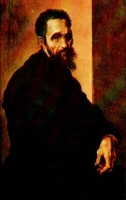 米开朗基罗
米开朗基罗mǐ kāi lǎng jī luó chū shēng yú 1475 nián 3 yuè 6 rì, zài kǎ bù lǐ sī, kào jìn 'ài ruì zhōu, tuō sī kǎ ní。 tā mén jiā zú yòu jī shì dài zài fó luó lún sī shì xiǎo guī mó de yín xíng, dàn tā de fù qīn LodovicodiLeonardoBuonarrotidiSimoni bìng méi yòu chéng gōng de jīng yíng xià qù, ér hòu biàn rèn zhí lín shí zhèng zhí。 zài mǐ kāi láng jī luó chū shēng zhī shí, tā wéi kǎ bù lǐ sī xiǎo zhèn de sī fǎ guǎn lǐ yuán hé kuí qí shì de xíng zhèng cháng guān。 mǐ kāi lǎng jī luó de mǔ qīn wéi FrancescadiNeridelMiniatodiSiena。 ér tā de fù qīn jù shuō shì bó jué fū rén MathildeofCanossa de hòu yì, zhè gè chuán yán dà gài shì jiǎ de, dàn mǐ kāi lǎng jī luó duì cǐ shēn xìn bù yí。 ér zài mǐ kāi lǎng jī luó chū shēng de jī gè yuè hòu, quán jiā rén bān huí dào fó luó lún sī, tā yě zài zhè bèi yǎng yù cháng dà。 guò liǎo yī xiē nián suì, zài tā jiǔ bìng yǐ jí mǔ qīn guò shì zhī hòu, tā bān yǔ yī wèi shí jiàng hé tā de quán jiā rén yī qǐ zhù, zài yī gè míng wéi Settignano de zhèn shàng。 zài nà lǐ tā fù qīn yōng yòu yī zuò dà lǐ shí de lù tiān cǎi kuàng cháng yǐ jí yī zuò xiǎo nóng cháng。
mǐ kāi lǎng jī luó céng yòu yī cì duì yì shù jiā chuán jì xiě zuò zhě qiáo 'ěr qiáo · wǎ sà lǐ shuō dào:「 rú guǒ wǒ yòu zhù yī xiē yōu diǎn, nà shì yīn wéi wǒ chū shēng zài nǐ de guó jiā 'ā léi zuǒ qí miào de qì fēn xià, hé wǒ de nǎi mā yī qǐ, bìng xué huì liǎo shú liàn de yùn yòng chuí zǐ hé záo zǐ jiāng wǒ suǒ miáo huì de tú kè xià。」 dāng mǐ kāi lǎng jī luó huán niánshào de shí hòu, tā de fù qīn jiāng tā sòng dào zài fó luó lún sī de rén dào zhù yì zhě FrancescodaUrbino shēn biān xué xí wén fǎ。 zhè wèi nián qīng de yì shù jiā, hěn xiǎn rán dì biǎo xiàn chū duì shàng xué de wú qù, ér níng yuàn qù jiào táng lín mó huì huà bìng qiě xún zhǎo huà jiā tóng bàn。 hòu lái mǐ kāi lǎng jī luó zài huà jiā DomenicoGhirlandaio hé diāo kè jiā BertoldodiGiovanni de mén xià xué xí, tā de fù qīn jí lì shuō fú Ghirlandaio fù qián gěi huán shì 14 suì de mǐ kāi lǎng jī luó, zài dāng shí shì fēi cháng xī shǎo de。 ér dào liǎo 1489 nián, fó luó lún sī de tǒng zhì zhě jiào Ghirlandaio tuī jiàn tā liǎng wèi zuì jiā de xué shēng, Ghirlandaio biàn jiè shào liǎo mǐ kāi lǎng jī luó hé FrancescoGranacci。 zài 1490 zhì 1492 nián jiān mǐ kāi lǎng jī luó qù tā fù qīn de xué xiào, bìng shòu dào xū duō qián rén de yǐng xiǎng, xíng sù hé tuò zhǎn liǎo tā zài yì shù shàng de gòu xiǎng。 gēn zhù zài nà nián jì tā nà bǎi lā tú shì de guān diǎn, tóng shí tā yě kāi shǐ gǎn shòu dào xìng bié de chā yì。 zài zhè shí qī mǐ kāi lǎng jī luó rèn shí liǎo jī wèi wén xué jù bò, xiàng shì mǐ lán duō lā、 AngeloPoliziano hé MarsilioFicino。 mǐ kāi lǎng jī luó wán chéng liǎo dà wèi xiàng hé qí shì de dòu zhēng, hòu zhě shì jiè yóu Poliziano suǒ jiàn yì de tí cái fā huī, bìng shòu dào fó luó lún sī shì cháng luò lún zuǒ · dé · měi dì qí de wěi rèn。
zuò pǐn
mǐ kāi lǎng jī luó de dà wèi xiàng, 1501 nián zhì 1504 nián, zhǎn shì yú yì dà lì fó luó lún sī xué yuàn yì láng
shèng duō míng ní kè xiàng
mǐ kāi lǎng jī luó de shèng mǔ tòng zǐ xiàng( fàn dì gāng shèng bó duō lù dà diàn nèi)
mái zàng( TheEntombment), 1500 nián zhì 1501 nián, shōu cáng yú yīng guó guó jiā měi shù guǎn
shèng mǔ huà xiàng( TheManchesterMadonna), 1495 nián, shōu cáng yú yīng guó guó jiā měi shù guǎn
chuàng zào yà dāng( CreationofAdam), 1508 nián héng 1512 nián, shōu cáng yú fàn dì gāng xī sī tīng jiào táng
zuì hòu de shěn pàn( TheLastJudgment), 1534 nián héng 1541 nián, shōu cáng yú fàn dì gāng xī sī tīng jiào táng
shèng jiā tíng yǔ shèng yuē hàn( TondoDoni), 1505 nián héng 1507 nián, shōu cáng yú fó luó lún sī wū fěi zī měi shù guǎn
lì bǐ yà nǚ xiān zhī( TheLibyanSibyl), 1508 nián héng 1512 nián, shōu cáng yú fàn dì gāng xī sī tīng jiào táng
dà hóng shuǐ( TheFlood), 1508 nián héng 1512 nián, shōu cáng yú fàn dì gāng xī sī tīng jiào táng
zuì hòu yí zuò
fàn dì gāng guān fāng bào zhāng《 luó mǎ guān chá jiā bào》 2007 nián 12 yuè 6 rì bào dào, jiào tíng zài shèng bó duō lù dà jiào táng yī jiān bàn gōng shì nèi, zhǎo dào kě néng shì zhù míng yì shù dà shī mǐ kāi lǎng jī luó( Michelangelo) de zuì hòu yí zuò, gū jì shì tā sǐ qián yī nián wéi xīng jiàn shèng bó duō lù dà jiào táng suǒ huà de yī fèn cǎo tú。
Michelangelo was considered the greatest living artist in his lifetime, and ever since then he has been held to be one of the greatest artists of all time. A number of his works in painting, sculpture, and architecture rank among the most famous in existence. His output in every field during his long life was prodigious; when the sheer volume of correspondence, sketches, and reminiscences that survive is also taken into account, he is the best-documented artist of the 16th century. Two of his best-known works, the Pietà and David, were sculpted before he turned thirty. Despite his low opinion of painting, Michelangelo also created two of the most influential works in fresco in the history of Western art: the scenes from Genesis on the ceiling and The Last Judgment on the altar wall of the Sistine Chapel in Rome. As an architect, Michelangelo pioneered the Mannerist style at the Laurentian Library. At 74 he succeeded Antonio da Sangallo the Younger as the architect of St. Peter's Basilica. Michelangelo transformed the plan, the western end being finished to Michelangelo's design, the dome being completed after his death with some modification.
In a demonstration of Michelangelo's unique standing, he was the first Western artist whose biography was published while he was alive. Two biographies were published of him during his lifetime; one of them, by Giorgio Vasari, proposed that he was the pinnacle of all artistic achievement since the beginning of the Renaissance, a viewpoint that continued to have currency in art history for centuries. In his lifetime he was also often called Il Divino ("the divine one"). One of the qualities most admired by his contemporaries was his terribilità, a sense of awe-inspiring grandeur, and it was the attempts of subsequent artists to imitate Michelangelo's impassioned and highly personal style that resulted in Mannerism, the next major movement in Western art after the High Renaissance.
Late in life, Michelangelo nurtured a great love for the poet and noble widow Vittoria Colonna, whom he met in Rome in 1536 or 1538 and who was in her late forties at the time. They wrote sonnets for each other and were in regular contact until she died. Condivi recalls Michelangelo's saying that his sole regret in life was that he did not kiss the widow's face in the same manner that he had her hand.