fó jiào yòng yǔ : cǎo zì bù : cǎo bù > 
目录
·藏·简单解释·详细解释
·更多简解·更多详解·康熙字典
·说文解字·近义词·包含词
·更多结果...
藏
简异体:  (zāng)繁异体:  (zàng zāng zàng ????)拼音: cáng, zàng, zāng
 
部首: 艹䒑总笔画: 17部外笔画: 14
 
UTF-8: E8 97 8FUTF-16: 85CFUTF-32: 000085CF
 
GB 2312: 1856GB 12345: 1856Big 5: C2C3
 
仓颉: TIMS四角码: 4425.3一字全码: cang2caozang
 
一字双码: cacaza一字单码: ccz汉字结构: 上(中)下
 
汉字层次: 5笔画: 一丨丨一丿????一丿一丨????一丨????乚丿丶笔顺编号: 12213513125125534
 
笔顺读写: 横, 竖, 竖, 横, 撇, 折, 横, 撇, 横, 竖, 折, 横, 竖, 折, 折, 撇, 捺他人笔顺: 12213513125125534
 
部件组构: 艹(十(一丨)丨)臧(????(厂(一丿)????丆(一丿))臣(丅(一丨)(????一)丨????)((乚丿)丶))
 
简单解释
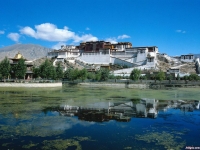
西藏布达拉宫
   cáng
  cáng
   yǐn bì qǐ lái: mái cáng 。 bāo cáng 。 cáng jiān。 cáng nì。 yǐn cáng 。 yùn cáng 。 cáng wū nà gòu。
   shōu cún qǐ lái: shōu cáng 。 cáng pǐn。 cáng shū。 chǔ cáng 。
   duǒ nì lù
  
   cáng
  zàng
   chǔ fàng dōng xī de dì fāng: cáng fǔ。 bǎo cáng 。
   dào jiào、 fó jiào jīng diǎn de zǒng chēng: dào cáng 。 dà cáng jīng。 sān cáng ( fó jiào jīng diǎn “ jīng ”、“ lǜ”、“ lùn” sān bù fēn)。
   zhōng guó shǎo shù mín zú, zhù yào fēn bù yú xī cáng zì zhì qū hé qīng hǎi、 sì chuān děng shěng: cáng zú。
   zhōng guó xī cáng zì zhì qū de jiǎn chēng。
   gǔ tóng“ zàng”。
   duǒ nì lù
  
   bǐ huà shù: 17;
   bù shǒu: cǎo;
   bǐ shùn biān hào: 12213513125125534


  Covert possession cáng up: buried. Harbor. Villain. Hiding. Hidden. Reserves. Filth. Store it: collection. Collection. Collections. Storage. Lu hidden hide hiding place zàng store things: Tibet House. Treasure. Taoism, Buddhism and the classic group: channel reservoirs. Tripitaka. Tripitaka (Buddhist scriptures "by", "law", "theory" of three parts). Minorities in China, mainly distributed in the Tibet Autonomous Region and Qinghai, Sichuan and other provinces: Tibetans. Referred to the Tibet Autonomous Region of China. Old with "dirty." Hide hide Lu stroke: 17; radicals: Lv; stroke order number: 12213513125125534
详细解释
   cáng
  cáng
  【 dòng】
  ( xíng shēng , zāng shēng。 běn yì : bǎ gǔ wù bǎo cáng qǐ lái )
   chǔ jī , shōu cáng 〖 store 〗
   nóng fū chūn gēng xià yún , qiū liǎn dōng cáng 。 héng héng《 mò zǐ · sān biàn》
   zǐ bù wén cáng shū zhě hū ? héng héng qīng · yuán méi《 huáng shēng jiè shū shuō》
   yòu rú : kuàng cáng ; shōu cáng ( shōu jí bǎo cáng )
   yǐn nì〖 hide〗
   cáng , nì yě。 héng héng《 shuō wén xīn fù》
   màn cáng hǎi dào。 héng héng《 yì · xì cí shàng》
   jí cáng qí shī , chí tóng dǐ zhù rén suǒ。 héng héng táng · liǔ zōng yuán《 tóng qū jì chuán》
   jiàn píng shuǐ zhī bīng , ér zhī tiān xià zhī hán , yú biē zhī cáng yě。 héng héng《 lǚ shì chūn qiū · chá jīn》
   yòu rú : cáng yǎn ( zhē gài , yǐn mán ); cáng zhuō ( yīn pà diū chǒu 'ér bù xiǎn lù zì jǐ de jì néng hé yì jiàn ); cáng jiāo ( bǎ jiāo wá cáng qǐ lái。 zhǐ qǔ qiè bié jū ); cáng míng ( yǐn nì míng shēng )
   huái yòu〖 nurse〗。 rú : bāo cáng ; cáng nù ( huái cáng nù huǒ ; huái hèn yú xīn )
  
   cáng duǒ
  cángduǒ
  〖 hide〗 duǒ cáng ; yǐn cáng
   wú chù cáng duǒ
   cáng gòu nà wū
  cánggòu-nàwū
  〖 shelterevilpeopleandcountenanceevilpractices〗 bǐ yù bāo róng 'āng zàng chǒu 'è de rén hé shì
   dà gài shì míng mò de wáng sī rèn shuō de bā : kuàijī nǎi bào chóu xuě chǐ zhī xiāng , fēi cáng gòu nà wū zhī dì
   yě zuò“ cáng wū nà gòu”
   cáng jiān
  cángjiān
  〖 haveevilintentions〗 ∶ xīn zhōng bù huái hǎo yì
   xiào lǐ cáng jiān
  〖 notdoone'sbest〗 [ fāng yán ]∶ bù shǐ chū quán fù jīng lì huò bù yuàn jìn quán bù lì liàng bāng zhù bié rén
   cáng lóng wò hǔ
  cánglóng-wòhǔ
  〖 hiddenpeopleoftalent;uncoveredtalent〗 cáng fú zhe jiāo lóng , yǐn wò zhe měng hǔ。 bǐ yù wèi bèi fā xiàn de rén cái
   zài zhōng zhōu dì miàn , sì tōng bā dá nǎi shì cáng lóng wò hǔ zhī dì , yīng xióng huì cuì zhī qū。 héng héng yáo xuě yín《 lǐ zì chéng》
   cáng māo 'ér
  cángmāor
  〖 hide-and-seek〗 ér tóng hù xiāng duǒ cáng xún zhǎo de yóu xì
   cáng nì
  cángnì
  〖 conceal;squirrelsth.away〗 qián cáng yǐn nì
   sì miàn bāo chāo , wú chù cáng nì
   cáng qì dài shí
  cángqì-dàishí
  〖 waitfortherightmomenttodemonstrateone ’ sability;storeupsth.untilitiswanted〗 huái cáng cái zhì yǒng wǔ yú shēn , yǐ dài kě yòng zhī shí shī zhǎn
   cáng shēn
  cángshēn
  〖 gointohidding;hideoneself〗 duǒ cáng ; bǎ shēn tǐ yǐn bì qǐ lái , bù ràng rén kàn jiàn
   wú chù cáng shēn
   cáng shū
  cángshū
  〖 collectbooks〗 shōu cáng tú shū
   cáng shū
  cángshū
  〖 collectionofbooksinalibrary〗 shōu cáng de tú shū
   zhè gè tú shū guǎn de cáng shū hěn duō
   cáng tóu lù wěi
  cángtóu-lùwěi
  〖 gireapartialaccountof;tellpartofthetruth,butnotallofit〗 bǐ yù shuō huà、 zuò shì duǒ duǒ shǎn shǎn , pà bǎ zhēn xiāng quán bào lù chū lái
   cáng zōng
  cángzōng
  〖 hide〗 yǐn cáng xíng dòng zōng jì
  
   cáng
  zàng
  【 míng】
   shōu cáng cái wù de fǔ kù〖 storingplace;depository〗
   wǔ yuē fǔ , zhǎng guān qì yǐ zhì cáng 。 héng héng《 zhōu lǐ · tiān guān · zǎi fū》。 zhì cáng , cáng wén shū qì wù。
   jìn hóu zhī shù tóu xū , shǒu cáng zhě yě。 héng héng《 zuǒzhuàn · xī gōng 'èr shí sì nián》
   bǎo cáng xīng yān。 héng héng《 lǐ jì · zhōng yōng》
   é 'ér fàn shì zhī cáng dà huǒ。 héng héng《 liè zǐ · huáng dì》
   tài zōng cháng fā bǎo cáng , lìng zhū nǚ zé qǔ zhī。 héng héng《 sòng shǐ · tài zōng qī nǚ chuán》
   yòu rú : cáng lì ( fù zé gōng nèi fǔ kù de guān lì ); kù cáng ( cāng kù ); cáng hù ( cāng kù de chū rù kǒu ); cáng fǔ ( gōng jiā de fǔ kù )
   nèi zàng。 hòu zuò“ zàng”〖 internalorgans〗
   jiǔ liàn wǔ cáng 。 héng héng hàn · méi chéng《 qī fā》
   wǔ wèi zhě hé ? yuē : wǔ cáng 。 héng héng《 guǎn zǐ · shuǐ dì》
   bǎi hái jiǔ qiào liù cáng 。 héng héng《 zhuāng zǐ · qí wù lùn》
   xī xīn tù gù yǐ liàn cáng 。 héng héng《 hàn shū · wáng jí chuán》
   zàng shì hòu qǐ de fēn bié zì , yǐ bié yú“ bǎo cáng ” de“ cáng ”。
   yòu rú : cáng fǔ ( rén tǐ nèi zàng qì guān de zǒng chēng。 tóng zàng fǔ )
   fó jiào huò dào jiào de jīng diǎn de zǒng chēng〖 BuddhistorTaoistscriptures〗
   wéi jǐng líng shǐ , yuè dào cáng 。 héng héng《 sòng shǐ · wáng qīn ruò chuán》
   yòu rú : cáng zhù ( zhù chí fó shì de dāng jiā hé shàng ); sān cáng ( fó jīng jīng diǎn fēn wéi jīng、 lǜ、 lùn sān gè bù fēn , zǒng chēng“ sān cáng ” ); dào cáng ( dào jiào shū jí de zǒng huì ); shì cáng ( fó jiào jīng diǎn de zǒng huì )
   bǎo cáng 〖 precious(mineral)deposits〗
   zhǐ dào tā jué liǎo cáng , yuán lái què zuò liǎo zhè yàng shēng yì , gù cǐ yòu qián。 héng héng《 xǐng shì héng yán》
   cáng zú〖 Tibetan〗。 zhōng guó shǎo shù mín zú zhī yī。 fēn bù yú xī cáng hé sì chuān、 qīng hǎi、 gān sù děng shěng de bù fēn dì qū
   xī cáng de jiǎn chēng。 xī cáng dì qū〖 Xizang〗。 rú : cáng yáng ( xī cáng gāo yuán suǒ chǎn de yáng ); cáng wén ( xī cáng de wén zì ); cáng xiāng ( xī cáng yī dài suǒ chǎn de yī zhǒng xiàn xiāng )
   lìng jiàn cáng
  
   cáng hóng huā
  zànghónghuā
  〖 saffroncrocus〗∶ jí fān hóng huā。 yī zhǒng niǎo wěi kē zhí wù
  〖 saffron〗∶ gāi zhòngzhí wù de huā zhù de shàng bù jí zhù tóu
   cáng lán
  zànglán
  〖 purplishblue〗 lán lǐ lüè tòu hóng sè
   cáng lì
  zànglì
  〖 Zangcalendar;lunarcalendarusedinTibet〗 zhōng guó cáng zú rén mín de chuán tǒng lì fǎ。 9 shì jì chū jí yǐ cǎi yòng。 jī běn shàng yǔ jīn xià lì tóng
   cáng qīng
  zàngqīng
  〖 darkblue〗 yán sè míng。 lán 'ér jìn hēi
   cáng xì
  zàngxì
  〖 Zangopera〗 cáng zú de xìqǔ jù zhǒng , liú xíng yú xī cáng dì qū


  Tibetan
  cáng
  【Activity】
  (Phonetic, Zang sound. Original meaning: the grain preserved up)
  Accumulation, collection〗 〖store
  Farmer spring weed in summer, autumn and winter provisions convergence. - "Three Mo Debate"
  Almost sub-collectors do not smell? - Qing Yuan Mei, "Huang said borrowing"
  Another example: minerals; collection (collection preserved)
  Hide hide〗 〖
  Possession, conceal too. - "Said the text of new laws"
  Slow possession of pirates. - "Easy on the copulative"
  The possession of the corpse, who arrived the owner of the child. - Tangliu Zong Yuan "child zone Send a Biography"
  See bottles of water of the ice, cold world with knowledge, the possession of turtles also. - "Lu police today"
  Another example: Tibetan cover (cover, concealment); Cangzhuo (for fear of disgrace and not reveal their skills and ideas); Hidden Concubine (the Angels in hiding. Refers to the concubines the separation); Tibetan name (hidden fame)
  〗 〖Nurse harbor. Such as: concealed; possession of anger (anger possession of arms; bitter at heart)
  And hide
  cángduǒ
  〗 〖Hide hide; Hide
  Nowhere and hide
  Possession of dirt pollutant
  cánggòu-nàwū
  〗 〖Shelterevilpeopleandcountenanceevilpractices dirty ugly people and things inclusive metaphor
  About the late Ming Wang Siren said it: Hueiji avenge the town is, non-possession of the land of dirt pollutant
  Also as "filth"
  Harbor evil intentions
  cángjiān
  〗 〖Haveevilintentions: heart ill
  Laughing villain
  〗 〖Notdoone'sbest [dialect]: do not do tricks or unwilling to fully focus all the strength to help others
  Place where dragons and tigers are hiding
  cánglóng-wòhǔ
  〖Hiddenpeopleoftalent; uncoveredtalent〗 possession Fuzhao dragon, hidden tiger lying. Analogy undiscovered talent
  Ground in the Central, but Canglongwohu land extending in all directions, the hero meets the area. - Yao Xueyin "Rereading"
  Play hide-and-seek
  cángmāor
  〖〗 Hide-and-seek game to find children hiding each other
  Hide
  cángnì
  〖Conceal; squirrelsth.away〗 hidden potential
  Surrounded by outflanking, nowhere to hide
  To be hidden when the device
  cángqì-dàishí
  〖Waitfortherightmomenttodemonstrateone'sability; storeupsth.untilitiswanted〗 pregnant hidden talents valor in the body, to be available when the display
  Hide
  cángshēn
  〖Gointohidding; hideoneself〗 hiding; concealed the body, do not be seen
  Nowhere to hide
  Library
  cángshū
  Collectbooks〗 〖Favorite Books
  Library
  cángshū
  Book collections〗 〖collectionofbooksinalibrary
  Many of the books in the library
  Hide the head but show the tail
  cángtóu-lùwěi
  〖Gireapartialaccountof; tellpartofthetruth, butnotallofit〗 metaphor speak and act evasive, afraid to reveal the whole truth
  Conceal one's tracks
  cángzōng
  〗 〖Hide traces of hidden action
  Tibetan
  zàng
  【Name】
  〖Collection of treasures property storingplace; depository〗
  Wu Yue House, palm Crown to rule Tibet. - "Zhou Tian Guan Zai Fu." Tibetan, Tibetan instruments, utensils.
  The first to be erected marquises of Jin, who also keep possession. - "Zuo Xi public twenty-four years"
  Treasure Hing Yan. - "Book of Mean"
  Eer Fan of possession of fire. - "Liezi Yellow Emperor"
  Taizong sent the treasure to try to make Zhunv choose to take it. - "Song Shi Taizong seven women Biography"
  Another example: Tibetan officials (in charge of the treasuries of the palace officials); Treasury (warehouse); Tibetan households (warehouse, import and export); possession of the government (public treasuries)
  Internal organs. Made after the "dirty"〗 〖internalorgans
  Wu Zang wine training. - Han Mei Sheng "Seven Fat"
  What flavors are? Said: Solid Organs. - "Pipe water to"
  Bai Hai Jiuqiao six reservoirs. - "Equality of Zhuangzi"
  Suck spit it to the new training Tibet. - "Han Ji-Chuan"
  The difference is the newcomer dirty word, as distinct from the "treasure" and "possession."
  Another example: Tibetan government (the general term for human internal organs. With internal organs)
  Buddhist or Taoist classic general〗 〖BuddhistorTaoistscriptures
  Jing Ling is so, read the Taoist Canon. - "History of the Song Wang Qinruo Biography"
  Another example: Tibetan Master (presiding headed Buddhist monk); Tripitaka (Buddhist classics into economics, law, of three parts, known as the "Tripitaka"); Taoist (Daoist books of the pool); Tibetan Buddhism (Buddhist scriptures of the pool)
  Treasure 〖precious (mineral) deposits〗
  He just dug a reservoir channel, the original business has done so, so rich. - "Awaken the common saying"
  Tibetan Tibetan〗 〖. One of China's ethnic minorities. Distributed in Tibet and Sichuan, Qinghai and Gansu provinces in some areas
  Tibet's short. 〗 〖Xizang Tibet. Such as: Tibetan sheep (sheep produced the Tibetan Plateau); Tibetan (Tibet, text); Tibetan incense (a Tibetan incense around the middle)
  See cáng
  Saffron
  zànghónghuā
  〗 〖Saffroncrocus: the saffron. The end of a Niao plants
  〗 〖Saffron: the species of the upper style and stigma
  Dark blue
  zànglán
  〗 〖Purplishblue red Lanliluetou
  Tibetan
  zànglì
  〖Zangcalendar; lunarcalendarusedinTibet〗 Tibetan people's traditional Chinese calendar. Already by the early 9th century. Basically the same this summer calendar
  Navy
  zàngqīng
  〗 〖Darkblue color name. Blue and near black
  Tibetan
  zàngxì
  〗 〖Zangopera Tibetan operas, popular in Tibet
更多简解
   cáng
  ( xíng shēng , zāng shēng。 běn yì bǎ gǔ wù bǎo cáng qǐ lái )
   chǔ jī , shōu cáng
   nóng fū chūn gēng xià yún , qiū liǎn dōng cáng 。 --《 mò zǐ · sān biàn》
   zǐ bù wén cáng shū zhě hū ?-- qīng · yuán méi《 huáng shēng jiè shū shuō》
   yòu rú kuàng cáng ; shōu cáng ( shōu jí bǎo cáng )
   yǐn nì
   cáng , nì yě。 --《 shuō wén xīn fù》
   màn cáng hǎi dào。 --《 yì · xì cí shàng》
   jí cáng qí shī , chí tóng dǐ zhù rén suǒ。 -- táng · liǔ zōng yuán《 tóng qū jì chuán》
   jiàn píng shuǐ zhī bīng , ér zhī tiān xià zhī hán , yú biē zhī cáng yě。 --《 lǚ shì chūn qiū · chá jīn》
   yòu rú cáng yǎn ( zhē gài , yǐn mán ); cáng zhuō ( yīn pà diū chǒu 'ér bù xiǎn lù zì jǐ de jì néng hé yì jiàn ); cáng jiāo ( bǎ jiāo wá cáng qǐ lái。 zhǐ qǔ qiè bié jū ); cáng míng ( yǐn nì míng shēng )
   huái yòu
   cáng cāng
   ① ~ yǐn bì mái~。
   ② shōu cún; chǔ cáng ~ shū。 yòu jiàn zàng。
  【 cáng gòu nà wū】 bǐ yù bāo róng zhǒng zhǒng huài rén huài shì。 yòu zuò cáng wū nà gòu。
  【 cáng jiān】~ xīn huái 'è yì。
  ② bù kěn ná chū quán bù jīng lì huò bù kěn jìn lì bāng zhù rén~ shuǎ huá。
  【 cáng lóng wò hǔ】 bǐ yù qián cáng zhe de wèi bèi fā xiàn de rén cái。
  【 cáng nì】 yǐn cáng qǐ lái bù ràng rén fā xiàn。
  【 cáng tóu lù wěi】 xíng róng duǒ duǒ shǎn shǎn, bù bǎ zhēn shí qíng kuàng quándōu tān chū lái。
  【 cáng wū nà gòu】 jiàn【 cáng gòu nà wū】。
  【 cáng yè】
  ① pà rén zhī dào huò fā xiàn 'ér jié lì yǎn cáng ~ duǒ shǎn。
  ② yǎn shì zhù de bì duān tā bàn shì kě cóng lái méi yòu~。
  【 cáng zhuō】 pà chū chǒu, bù kěn ràng bié rén zhī dào zì jǐ de kàn fǎ huò jì néng。 cháng yòng wéi zì qiān zhī cí。
   cáng zàng
   ⒈ chǔ cún dōng xī de dì fāng kù~。 bǎo~。
   ⒉ dào jiào、 fó jiào jīng diǎn de tǒng chēng dào~。 dà~ jīng。
   ⒊
  ① fó jiào jīng diǎn " jīng、 lǜ、 lùn " sān bù fēn。
  ② táng xuán zàng hào " sān cáng fǎ shī "。
   ⒋ xī cáng zì zhì qū de jiǎn chēng。
   ⒌
   cáng cáng1. yǐn cáng ; qián nì。 2. shōu cáng ; chǔ cáng 。 3. huái, cáng zài xīn zhōng。 4. shēn, cóng shàng dào xià huò cóng wài dào lǐ de jù lí dà。
   cáng zāng1. cǎo míng。 2. tōng " zāng "。 shàn。 3. tōng " zāng "。 wō zhù。


  Tibetan (phonetic, Zang sound. The original meaning of the grain preserved up) accumulation, farmers spring summer collection Yun, autumn winter provisions convergence. - "Three Mo Debate" sub-collections are almost no smell? - Qing Yuan Mei, "Huang said borrowers" Another example is the mineral deposits; collection (collection of preserved) hidden reservoir, hiding too. - "Said the new text with the" slow possession of pirates. - "Yi Xi Ci to" the possession of the corpse, who arrived the owner of the child. - Tangliu Zong Yuan "child zone Send a Biography" see the bottles of water of the ice, cold world with knowledge, the possession of turtles also. - "Lu observed today," Another example is the possession cover (cover, concealment); Cangzhuo (for fear of disgrace and not reveal their skills and ideas); Hidden Concubine (the Angels in hiding. Refers to the concubines the separation); Tibetan name (hidden fame) harbor hidden underground reservoir cāng ① ~ ~. ② store; storage ~ book. See also zàng. Pollutant】 【possession of dirt all the bad bad analogy inclusive. Also for the filth. 】 ~ 【Villain malicious intent. ② willing to come all the attention, or refuse to try to help people ~ Shuahua. Canglongwohu】 【metaphor lurking undiscovered talent. 【】 To hide do not hide people found. Described as evasive】 【hide the head but show the tail, not to spread out all of the real situation. See】 【filth】 【Tibet scale pollutant. 【】 ① afraid of people try to cover known or discovered to hide the ~ dodge. ② conceal the shortcomings of his work can never ~. Cangzhuo】 【fear a fool of myself, refused to let others know your views or skills. Used for the modesty of speech. Tibetan zàng ⒈ store things in the library ~. Po ~. ⒉ Taoist, Buddhist scriptures collectively Road ~. Large ~ by. ⒊ ① Buddhist classic "classics, law, of" three parts. ② No Tang Xuan Zang "Tripitaka Master." ⒋ called the Tibet Autonomous Region. ⒌ possession cáng 1. Hidden; hiding. 2. Collection; storage. 3. Huai, hidden in the heart. 4. Deep, top to bottom or from outside to inside the distance great. Tibetan zāng 1. Grass name. 2. Pass "Zang." Good. 3. Tong "stolen goods." Wozhu.
更多详解
   cáng cang、 zang
   bù shǒu cǎo bù shǒu bǐ huà 03 zǒng bǐ huà 17
   cáng
  conceal; hide; store;
   cáng 1
  cáng
  (1)
  ( xíng shēng , zāng shēng。 běn yì bǎ gǔ wù bǎo cáng qǐ lái )
  (2)
   chǔ jī , shōu cáng [store]
   nóng fū chūn gēng xià yún , qiū liǎn dōng cáng 。 --《 mò zǐ · sān biàn》
   zǐ bù wén cáng shū zhě hū ?-- qīng · yuán méi《 huáng shēng jiè shū shuō》
  (3)
   yòu rú kuàng cáng ; shōu cáng ( shōu jí bǎo cáng )
  (4)
   yǐn nì [hide]
   cáng , nì yě。 --《 shuō wén xīn fù》
   màn cáng hǎi dào。 --《 yì · xì cí shàng》
   jí cáng qí shī , chí tóng dǐ zhù rén suǒ。 -- táng · liǔ zōng yuán《 tóng qū jì chuán》
   jiàn píng shuǐ zhī bīng , ér zhī tiān xià zhī hán , yú biē zhī cáng yě。 --《 lǚ shì chūn qiū · chá jīn》
  (5)
   yòu rú cáng yǎn ( zhē gài , yǐn mán ); cáng zhuō ( yīn pà diū chǒu 'ér bù xiǎn lù zì jǐ de jì néng hé yì jiàn ); cáng jiāo ( bǎ jiāo wá cáng qǐ lái。 zhǐ qǔ qiè bié jū ); cáng míng ( yǐn nì míng shēng )
  (6)
   huái yòu [nurse]。 rú bāo cáng ; cáng nù ( huái cáng nù huǒ ; huái hèn yú xīn )
   cáng duǒ
  cángduǒ
  [hide] duǒ cáng ; yǐn cáng
   wú chù cáng duǒ
   cáng gòu nà wū
  cánggòu - nàwū
  (1)
  [shelterevilpeopleandcountenanceevilpractices] bǐ yù bāo róng 'āng zàng chǒu 'è de rén hé shì
   dà gài shì míng mò de wáng sī rèn shuō de bā kuàijī nǎi bào chóu xuě chǐ zhī xiāng , fēi cáng gòu nà wū zhī dì
  (2)
   yě zuò cáng wū nà gòu”
   cáng jiān
  cángjiān
  (1)
  [haveevilintentions]∶ xīn zhōng bù huái hǎo yì
   xiào lǐ cáng jiān
  (2)
  [notdoone'sbest][ fāng ]∶ bù shǐ chū quán fù jīng lì huò bù yuàn jìn quán bù lì liàng bāng zhù bié rén
   cáng lóng wò hǔ
  cánglóng- wòhǔ
  [hiddenpeopleoftalent;uncoveredtalent] cáng fú zhe jiāo lóng , yǐn wò zhe měng hǔ。 bǐ yù wèi bèi fā xiàn de rén cái
   zài zhōng zhōu dì miàn , sì tōng bā dá nǎi shì cáng lóng wò hǔ zhī dì , yīng xióng huì cuì zhī qū。 -- yáo xuě yín《 lǐ zì chéng》
   cáng māo 'ér
  cángmāor
  [hide-and-seek] ér tóng hù xiāng duǒ cáng xún zhǎo de yóu xì
   cáng nì
  cángnì
  [conceal;squirrelsth.away] qián cáng yǐn nì
   sì miàn bāo chāo , wú chù cáng nì
   cáng qì dài shí
  cángqì- dàishí
  [waitfortherightmomenttodemonstrateone'sability;storeupsth.untilitiswanted] huái cáng cái zhì yǒng wǔ yú shēn , yǐ dài kě yòng zhī shí shī zhǎn
   cáng shēn
  cángshēn
  [gointohidding;hideoneself] duǒ cáng ; bǎ shēn tǐ yǐn bì qǐ lái , bù ràng rén kàn jiàn
   wú chù cáng shēn
   cáng shū
  cángshū
  [collectbooks] shōu cáng tú shū
   cáng shū
  cángshū
  [collectionofbooksinalibrary] shōu cáng de tú shū
   zhè gè tú shū guǎn de cáng shū hěn duō
   cáng tóu lù wěi
  cángtóu- lùwěi
  [gireapartialaccountof;tellpartofthetruth,butnotallofit] bǐ yù shuō huà、 zuò shì duǒ duǒ shǎn shǎn , pà bǎ zhēn xiāng quán bào lù chū lái
   cáng zōng
  cángzōng
  [hide] yǐn cáng xíng dòng zōng jì
   cáng 2
  zàng
  (1)
   shōu cáng cái wù de fǔ kù [storingplace;depository]
   wǔ yuē fǔ , zhǎng guān qì yǐ zhì cáng 。 --《 zhōu lǐ · tiān guān · zǎi fū》。 zhì cáng , cáng wén shū qì wù。
   jìn hóu zhī shù tóu xū , shǒu cáng zhě yě。 --《 zuǒzhuàn · xī gōng 'èr shí sì nián》
   bǎo cáng xīng yān。 --《 lǐ jì · zhōng yōng》
   é 'ér fàn shì zhī cáng dà huǒ。 --《 liè zǐ · huáng dì》
   tài zōng cháng fā bǎo cáng , lìng zhū nǚ zé qǔ zhī。 --《 sòng shǐ · tài zōng qī nǚ chuán》
  (2)
   yòu rú cáng lì ( fù zé gōng nèi fǔ kù de guān lì ); kù cáng ( cāng kù ); cáng hù ( cāng kù de chū rù kǒu ); cáng fǔ ( gōng jiā de fǔ kù )
  (3)
   nèi zàng ◇ zuò zàng” [internalorgans]
   jiǔ liàn wǔ cáng 。 -- hàn · méi chéng《 qī fā》
   wǔ wèi zhě hé ? yuē wǔ cáng 。 --《 guǎn zǐ · shuǐ dì》
   bǎi hái jiǔ qiào liù cáng 。 --《 zhuāng zǐ · qí wù lùn》
   xī xīn tù gù yǐ liàn cáng 。 --《 hàn shū · wáng jí chuán》
  (4)
   shì shì hòu qǐ de fēn bié zì , yǐ bié yú bǎo cáng ” de cáng ”。
  (5)
   yòu rú cáng fǔ ( rén tǐ nèi zàng qì guān de zǒng chēng。 tóng zàng fǔ )
  (6)
   fó jiào huò dào jiào de jīng diǎn de zǒng chēng [buddhistortaoistscriptures]
   wéi jǐng líng shǐ , yuè dào cáng 。 --《 sòng shǐ · wáng qīn ruò chuán》
  (7)
   yòu rú cáng zhù ( zhù chí fó shì de dāng jiā hé shàng ); sān cáng ( fó jīng jīng diǎn fēn wéi jīng、 lǜ、 lùn sān gè bù fēn , zǒng chēng sān cáng ” ); dào cáng ( dào jiào shū jí de zǒng huì ); shì cáng ( fó jiào jīng diǎn de zǒng huì )
  (8)
   bǎo cáng [precious(mineral)deposits]
   zhǐ dào tā jué liǎo cáng , yuán lái què zuò liǎo zhè yàng shēng yì , gù cǐ yòu qián。 --《 xǐng shì héng yán》
  (9)
   cáng zú [tibetan]。 zhōng guó shǎo shù mín zú zhī yī。 fēn bù yú xī cáng hé sì chuān、 qīng hǎi、 gān sù děng shěng de bù fēn dì qū
  (10)
   xī cáng de jiǎn chēng。 xī cáng dì qū [xizang]。 rú cáng yáng ( xī cáng gāo yuán suǒ chǎn de yáng ); cáng wén ( xī cáng de wén zì ); cáng xiāng ( xī cáng yī dài suǒ chǎn de yī zhǒng xiàn xiāng )
   lìng jiàn cáng
   cáng hóng huā
  zànghónghuā
  (1)
  [saffroncrocus]∶ jí fān hóng huā。 yī zhǒng niǎo wěi kē zhí wù
  (2)
  [saffron]∶ gāi zhòngzhí wù de huā zhù de shàng bù jí zhù tóu
   cáng lán
  zànglán
  [purplishblue] lán lǐ lüè tòu hóng sè
   cáng lì
  zànglì
  [zangcalendar;lunarcalendarusedintibet] zhōng guó cáng zú rén mín de chuán tǒng lì fǎ。 9 shì jì chū jí yǐ cǎi yòng。 jī běn shàng yǔ jīn xià lì tóng
   cáng qīng
  zàngqīng
  [darkblue] yán sè míng。 lán 'ér jìn hēi
   cáng xì
  zàngxì
  [zangopera] cáng zú de xìqǔ jù zhǒng , liú xíng yú xī cáng dì qū
   cáng 1
  cáng  ci 'āng ˊ
  (1)
   yǐn bì qǐ lái mái~。 bāo~。~ jiān。~ nì。 yǐn~。 yùn~。~ wū nà gòu。
  (2)
   shōu cún qǐ lái shōu~。~ pǐn。~ shū。 chǔ~。
   zhèng mǎ ehzh, u85cf, gbkb2d8
   bǐ huà shù 17, bù shǒu cǎo, bǐ shùn biān hào 12213513125125534
  conceal; hide; store;
   duǒ; nì;
   lù;
   cáng 2
  zàng  zi 'āng ╝
  (1)
   chǔ fàng dōng xī de dì fāng~ fǔ。 bǎo~。
  (2)
   dào jiào、 fó jiào jīng diǎn de zǒng chēng dào~。 dà~ jīng。 sān~( fó jiào jīng diǎn jīng”、 lǜ”、 lùn” sān bù fēn)。
  (3)
   zhōng guó shǎo shù mín zú, zhù yào fēn bù yú xī cáng zì zhì qū hé qīng hǎi、 sì chuān děng shěng~ zú。
  (4)
   zhōng guó xī cáng zì zhì qū de jiǎn chēng。
  (5)
   gǔ tóng shì”。
   zhèng mǎ ehzh, u85cf, gbkb2d8
   bǐ huà shù 17, bù shǒu cǎo, bǐ shùn biān hào 12213513125125534


  Tibetan cang, zang
  Radical Radical Lv 03 total strokes 17 strokes
  Tibetan
  conceal; hide; store;
  Possession of a
  cáng
  (1)
  (Phonetic, Zang sound. The original meaning of the grain preserved up)
  (2)
  Accumulation, collection [store]
  Farmer spring weed in summer, autumn and winter provisions convergence. - "Three Mo Debate"
  Almost sub-collectors do not smell? - Qing Yuan Mei, "Huang said borrowing"
  (3)
  Another example is the mineral deposits; collection (collection preserved)
  (4)
  Hide [hide]
  Possession, conceal too. - "Said the text of new laws"
  Slow possession of pirates. - "Easy on the copulative"
  The possession of the corpse, who arrived the owner of the child. - Tangliu Zong Yuan "child zone Send a Biography"
  See bottles of water of the ice, cold world with knowledge, the possession of turtles also. - "Lu police today"
  (5)
  Another example is the possession cover (cover, concealment); Cangzhuo (for fear of disgrace and not reveal their skills and ideas); Hidden Concubine (the Angels in hiding. Refers to the concubines the separation); Tibetan name (hidden fame)
  (6)
  Cherish [nurse]. If concealed; possession of anger (anger possession of arms; bitter at heart)
  And hide
  cángduǒ
  [Hide] hide; Hide
  Nowhere and hide
  Possession of dirt pollutant
  cánggòu-nàwū
  (1)
  [Shelter evil people and countenance evil practices] dirty ugly people and things inclusive metaphor
  About the late Ming Wang Siren said it is Kuaiji avenge town, non-possession of the land of dirt pollutant
  (2)
  Also filth "
  Harbor evil intentions
  cángjiān
  (1)
  [Have evil intentions]: heart ill
  Laughing villain
  (2)
  [Not do one's best] [side]: do not do tricks or unwilling to fully focus all the strength to help others
  Place where dragons and tigers are hiding
  cánglóng-wòhǔ
  [Hidden people of talent; uncovered talent] possession Fuzhao dragon, hidden tiger lying. Analogy undiscovered talent
  Ground in the Central, but Canglongwohu land extending in all directions, the hero meets the area. - Yao Xueyin "Rereading"
  Play hide-and-seek
  cángmāor
  [Hide-and-seek] looking for children's games with each other to hide
  Hide
  cángnì
  [Conceal; squirrel sth.away] hidden hidden
  Surrounded by outflanking, nowhere to hide
  To be hidden when the device
  cángqì-dàishí
  [Wait for the right moment to demonstrate one's ability; store up sth.until it is wanted] pregnant with hidden talents valor in the body, to be available when the display
  Hide
  cángshēn
  [Go into hidding; hide oneself] to hide; concealed the body, do not be seen
  Nowhere to hide
  Library
  cángshū
  [Collect books] Favorite Books
  Library
  cángshū
  [Collection of books in a library] collection of books
  Many of the books in the library
  Hide the head but show the tail
  cángtóu-lùwěi
  [Gire a partial account of; tell part of the truth, but not all of it] metaphor speak and act evasive, afraid to reveal the whole truth
  Conceal one's tracks
  cángzōng
  [Hide] Hidden track action
  Tibetan 2
  zàng
  (1)
  Collection of property treasuries [storing place; depository]
  Wu Yue House, palm Crown to rule Tibet. - "Zhou Tian Guan Zai Fu." Tibetan, Tibetan instruments, utensils.
  The first to be erected marquises of Jin, who also keep possession. - "Zuo Xi public twenty-four years"
  Treasure Hing Yan. - "Book of Mean"
  Eer Fan of possession of fire. - "Liezi Yellow Emperor"
  Taizong sent the treasure to try to make Zhunv choose to take it. - "Song Shi Taizong seven women Biography"
  (2)
  Another example is the Tibetan officials (in charge of the treasuries of the palace officials); Treasury (warehouse); Tibetan households (warehouse, import and export); possession of the government (public treasuries)
  (3)
  ◇ organs as dirty "[internal organs]
  Wu Zang wine training. - Han Mei Sheng "Seven Fat"
  What flavors are? Said Wu Zang. - "Pipe water to"
  Bai Hai Jiuqiao six reservoirs. - "Equality of Zhuangzi"
  Suck spit it to the new training Tibet. - "Han Ji-Chuan"
  (4)
  Shi is the newcomer of the word, respectively, as distinct from the treasure "in Tibetan."
  (5)
  Another example is the Tibetan government (the general term for human internal organs. With internal organs)
  (6)
  Buddhist or Taoist classic general [buddhist or taoist scriptures]
  Jing Ling is so, read the Taoist Canon. - "History of the Song Wang Qinruo Biography"
  (7)
  Another example is the possession of the Lord (Chair headed Buddhist monk); Tripitaka (Buddhist classics into economics, law, of three parts, general Sanzo "); Taoist (Daoist books of the pool); Tibetan Buddhism (Buddhist scriptures of the pool)
  (8)
  Treasure [precious (mineral) deposits]
  He just dug a reservoir channel, the original business has done so, so rich. - "Awaken the common saying"
  (9)
  Tibetan [tibetan]. One of China's ethnic minorities. Distributed in Tibet and Sichuan, Qinghai and Gansu provinces in some areas
  (10)
  Tibet's short. Tibet [xizang]. Such as the Tibetan sheep (sheep produced the Tibetan Plateau); Tibetan (Tibet, text); Tibetan incense (a Tibetan incense around the middle)
  See cáng
  Saffron
  zànghónghuā
  (1)
  [Saffron crocus]: the saffron. The end of a Niao plants
  (2)
  [Saffron]: Style of the species in the upper and the stigma
  Dark blue
  zànglán
  [Purplish blue] in a little blue through red
  Tibetan
  zànglì
  [Zang calendar; lunar calendar used in tibet] Tibetan people's traditional Chinese calendar. Already by the early 9th century. Basically the same this summer calendar
  Navy
  zàngqīng
  [Dark blue] color names. Blue and near black
  Tibetan
  zàngxì
  [Zang opera] Tibetan operas, popular in Tibet
  Possession of a
  cáng ㄘ ㄤ
  (1)
  Covert up buried ~. Package ~. ~ Evil. ~ Anonymous. Hidden ~. Yun ~. ~ Dirty satisfied scale.
  (2)
  Store up and receive ~. ~ Goods. ~ Book. Chu ~.
  Zheng code ehzh, u85cf, gbkb2d8
  17 number of strokes, radical Lv, stroke number 12213513125125534
  conceal; hide; store;
  Hide; hide;
  Lu;
  Tibetan 2
  zàng ㄗ ㄤ ╝
  (1)
  ~ Store things in the House. Po ~.
  (2)
  Taoism, Buddhism and the classic total commendable ~. Large ~ by. C ~ (Buddhist scriptures by the "law" of "three parts).
  (3)
  Minorities in China, mainly distributed in the Tibet Autonomous Region and Qinghai, Sichuan and other provinces ~ family.
  (4)
  Referred to the Tibet Autonomous Region of China.
  (5)
  Old with Shi. "
  Zheng code ehzh, u85cf, gbkb2d8
  17 number of strokes, radical Lv, stroke number 12213513125125534
康熙字典
shēn jí shàng Application _Set_  〔 gǔ wén 〕 zāng【 táng yùn】 zuó láng qiē【 zhèng yùn】 cú láng qiē, ???? yīn cáng。【 shuō wén】 nì yě。【 yì · qián · wén yán】 qián lóng wù yòng, yáng qì qián cáng 。  yòu xù yě。【 yì · xì cí】 jūn zǐ cáng qì yú shēn, dài shí 'ér dòng。  yòu cí láng qiē, yīn zāng。 cǎo míng。【 sī mǎ xiāng rú · zǐ xū fù】 qí pí shī, zé shēng cáng láng、 jiān jiā。【 zhù】 cáng láng, cǎo zhōng niú mǎ chú。  yòu cái làng qiē, yīn zàng。【 lǐ · yuè lìng】 jǐn gài cáng 。【 jìn yǔ】 wén gōng zhī chū yě, shù tóu xū, shǒu cáng zhě yě, bù cóng。  yòu yǔ zàng tōng。【 zhōu lǐ · tiān guān · jí yī】 cān zhī yǐ jiǔ cáng zhī dòng。【 zhù】 zhèng cáng wǔ, yòu yòu wèi、 pángguāng、 dà cháng、 xiǎo cháng。【 shū】 zhèng cáng wǔ zhě, wèi xīn、 gān、 pí、 fèi、 shèn, ???? qì zhī suǒ cáng 。【 bái hǔ tōng】 rén yòu wǔ cáng liù fǔ, hé fǎ, fǎ wǔháng liù hé yě。 【 shuō wén】《 hàn shū》 tōng yòng zāng。 kǎo zhèng:〔【 jìn yǔ】 wén gōng zhī chū yě, shù dòu xū shǒu cáng zhě yě。〕  jǐn zhào yuán wén dòu gǎi tóu。〔【 zhōu lǐ · tiān guān · yī shī】 cān zhī yǐ jiǔ cáng zhī dòng。〕  jǐn zhào yuán shū yī shī gǎi jí yī。


  〔〕 Zang Ancient Tang Yun】 【cut yesterday Lang Lang the Migration】 【Rhymes cut, ???? sound Cang. Wen also said】 【anonymous. 【】 Qianlongwuyong easy to do classical, yang hidden. And storage as well. Yi Xi Ci】 【gentleman hidden device in the body, to be fixed from time to time. They're cutting Lang, audio Zang. Grass name. 【】 Simaxiangru Zixu its Pi Fu wet, the students possession cirrhosa, Jianjia. 【Note】 possession of buttercups, the grass cattle Chu. Long before they cut, visceral sound. 【Order】 would like to cover ceremony of Tibetan month. Jin】 【wengong of the also, the vertical head shall be, to keep possession of those who are not from. And with visceral pass. Medical illness 【】 Zhou day official reference to nine possession of the movement. 【Note】 five are Tibetan, but also the stomach, bladder, large intestine, small intestine. Shu】 【five who is hiding, that the heart, liver, spleen, lung, kidney, ???? gas of the reservoir. Bai Hu Tong Wu Zang】 【six government people, what law, law Kuni five elements also. Wen】 【said "Han," Universal Zang. Research: 〔】 【Jin wengong of the also, the vertical beans are also required to keep possession. 〕 Would like to change according to the original bean head. 〔】 【Zhou Tian Guan, MD, to participate in the Nine possession of the move. 〕 Would like to change the disease according to the original physician health.
说文解字
biān hào :695 Number: 695  nì yě。 zuó láng qiē


  Hide too. Lang cut yesterday
近义词
bì cáng
xī cáng zì zhì qū , xī cáng
包含词
xīzàngyǐn cángduǒ cángbǎo cángshōu cáng
lěng cángchǔ cángcáng nìbǎozàngzhù cáng
cáng shūàn cángzàngzúzàngqīngbāo cáng
kuàng cángzàngyǔqián cángkùzàngwō cáng
cáng shēnzhēn cángmái cángguǐ cángyùn cáng
yǎn cángcáng zhuōqīngzàngsuǒ cángmì cáng
zànglánxíng cángáng cángzànglìzàngxì
dàozàngfúzàngzànglíngzàngwénzàngxué
jiào cánghán cángguǎn cángnì cángxù cáng
tǎng cángjué cángcáng qǐcáng jìncáng yú
xī cángcáng zhezàngcàizàngsīzàngqí
zàngshīyào cángcáng chéncáng chízàngtōng
cáng lǐmíng cángkè cángmián cángyuánzàng
cáng bǎicáng · lùshí cángnéng cángshēn cáng
jìng cángwén cángshī cángniàn cángchí cáng
biàn cángzàngzhùkuì cángxìn cángcán cáng
zhí cángliánzàngyuèzàngzhòuzàngzázàng
jiè cángcáng cíyīn cángyàn cángcáng shuì
cáng gējū cángcáng xiécáng jiǔcáng yīng
cáng bāocáng hūncáng 'érhuáng cángfēi cáng
cáng zhūléi cángcáng piàoshàn cángcáng jiào
cáng hǎiguàn cángcáng jiānlóng cángdì cáng
dàzàngcuī cángcáng yàoān cángxuě cáng
wèi cángbái cángsānzàngcáng páofǎ cáng
zàngxiāngguī cángcáng xuēcáng huāzàngqié
zàngyàocáng xiàngcáng zhuāngcáng jǐngcáng cí
cáng mìcáng mǎcáng yīcáng yínhóng cáng
cáng pǐngāo cángcáng dāocáng húcáng 'áo
jí cángwǔ cángcáng chácáng qiūcáng zhū
cáng shāncáng quècáng 'áocáng jīzàngyáng
cáng wúzhì cángcí cángshí cángsì cáng
jīn cángcáng lùnjiā cángqián cángjìng cáng
zàngjīngcáng rénshén cángrú cángshìzàng
shòu cángzhōng cángqiān cángyùn cángyóu cáng
zhē cángwǎn cángwǔzàngjí cángtiān cáng
shè cángèr cángyī cánghòu cángshuǐ cáng
suǒ cángjīng cánglǜ cánglún cánglùn cáng
mì cángzuǒ cángmí cángkuì cánglǐn cáng
cáng mǔcáng húncáng zhēncáng zhǐcáng guì
cáng bèilǎo cángcáng mátōu cángsōu cáng
更多结果...