yě jīn : bái zì bù > de
目录
的
繁异体:  (dì ???? dì sháo dì dì)拼音: de, dí, dì部首: 白
 
总笔画: 8部外笔画: 3UTF-8: E7 9A 84
 
UTF-16: 7684UTF-32: 00007684GB 2312: 2136
 
GB 12345: 2136Big 5: AABA仓颉: HAPI
 
四角码: 2762.0一字全码: de2baishao一字双码: debasa
 
一字单码: dbs汉字结构: 左(中)右汉字层次: 5
 
笔画: 丿丨????一一丿????丶笔顺编号: 32511354笔顺读写: 撇, 竖, 折, 横, 横, 撇, 折, 捺
 
他人笔顺: 32511354
 
部件组构: 白(丿日(冂(丨????)二(一一)))勺(勹(丿????)丶)
 
简单解释
妈妈的头发是黑色的,我的头发也是黑色的
透明的独木舟
的
的
的
的
的
的
的
的
的
的
的
的
的
的
的
的
的
的
的
   de
  dí
   zhēn shí, shí zài: de què。 de dāng( d 'èr g)。 de qíng。 de zhēn。 de zhèng。
  
   de
  dì
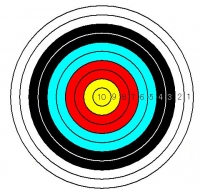
   jiàn bà de zhōng xīn: zhōng( zh qiū g) de 。 yòu de fàng shǐ。 zhòng shǐ zhī de 。 mù de ( yào dá dào de mù biāo、 jìng dì)。
  
   de
   yòng zài cí huò cí zǔ hòu biǎo míng xíng róng cí xìng: měi lì de 。
   dài tì suǒ zhǐ de rén huò wù: chàng gē de 。
   biǎo shì suǒ shǔ de guān xì de cí: tā de yī fú。
   zhù cí, yòng zài jù mò, biǎo shì kěn dìng de yǔ qì, cháng yǔ “ shì ” xiāng yìng: zhè jù huà shì hěn duì de 。
   fù cí wěi, tóng“ dì 2”。
  
   bǐ huà shù: 8;
   bù shǒu: bái;
   bǐ shùn biān hào: 32511354


  The dí true, is: Indeed. Of when (d Er g). The situation. True. Evidence. The dì targets of themselves in the center: Chinese (zh Qiu g),. Targeted. Target. Purpose (to achieve the goal position). The words or phrases used in the adjective after the show: beautiful. Instead of referring to people or things: singing. Relationship that the word belongs: his clothes. Particle, with the end of the sentence, that positive tone, often with the "Yes" Base: This sentence is right. Adverbs end with "to 2." Stroke: 8; radicals: white; stroke ID: 32511354
详细解释
   de
  de
  【 zhù】
   yòng zài dìng yǔ hòu , biǎo shì cí yǔ cí huò duǎn yǔ zhī jiān de xiū shì guān xì 〖 -ic,-ve … 〗。 rú : hóng sè de qì qiú ; xiǎo xiǎo de jìn bù
   yòng zài dìng yǔ hòu , biǎo shì dìng yǔ hé zhōng xīn cí zhī jiān de lǐng shǔ guān xì〖 of,'s〗。 rú : zhōng guó de shuǐ dào ; nóng mín shēng huó de tí gāo
  【 dài】 pron. fùzhuó zài cí huò duǎn yǔ zhī hòu , gòu chéng“ de ” zì jié gòu , dài tì suǒ zhǐ de rén huò wù。 rú : mài cài de ; chī de
   zhù cí。“ de ” zì qián hòu yòng xiāng tóng de dòng cí、 xíng róng cí děng , lián yòng zhè yàng de jié gòu , biǎo shì yòu zhè yàng de , yòu nà yàng de 。 rú : tuī de tuī , lā de lā
   yòng zài wèi yǔ dòng cí hòu miàn , qiáng diào zhè dòng zuò de shī shì zhě huò shí jiān、 dì diǎn、 fāng shì děng。 rú : shuí mǎi de shū ?; tā shì zuó tiān jìn de chéng ; wǒ shì zài yù shòu chù dìng de piào
   yòng zài liǎng gè tóng lèi de cí huò cí zǔ zhī hòu , biǎo shì“ děng děng、 zhī lèi” de yì sī。 rú : pò tóng làn tiě de , tā jiǎn lái yī dà kuāng
   yòng zài chén shù jù de mò wěi , biǎo shì kěn dìng de yǔ qì。 rú : zhè jiàn shì 'ér wǒ shì zhī dào de
   yòng zài liǎng gè shù liàng cí zhōng jiān
  〖 kǒu〗 ∶ biǎo shì xiāng chéng。 rú : zhè jiān fáng zǐ shì wǔ mǐ de sān mǐ , hé shí wǔ píng fāng mǐ
  [ fāng yán ]∶ biǎo shì xiāng jiā。 rú : liǎng gè de sān gè , yī gòng wǔ gè
   tóng“ dé” , hòu miàn dài bǔ yǔ
   nà zhī jìn liǎo yuán mén , yuán zǐ lǐ yǐ jié zuò de mǎn mǎn de liǎo。 héng héng《 lǎo cán yóu jì》
   tóng“ dì” (de)。 yòng zài zhuàng yǔ hòu , biǎo shì zhuàng yǔ hé zhōng xīn cí zhī jiān de xiū shì guān xì
   lìng jiàn dí;dì
  
   de
   d í
  【 fù】
   què shí ; shí zài〖 really;indeed〗
   bù yīn shuāng yè cí lín qù , de dāng shān wēng wèi jué qiū。 héng héng qín guān《 huái hǎi jí》
   yòu rú : de duì ; de jù ( zhēn píng shí jù ); de jué ( guǒ rán ; de què ); de shì ( de què shì )
   bì dìng ; yī dìng〖 certainly〗。 rú : de jué ( chǔjué ; chù zhǎn ); de de ( tè yì )
   lìng jiàn de;dì
  
   de dāng
  dídàng
  〖 proper〗 qiàdàng ; hé shì
   qǐ zhū chún yǔ yán de dāng。 héng héng《 xī xiāng jì》
   zhè gè píng yǔ shí fēn de dāng
   de de
  dídí
  〖 obvious;asclearasday〗∶ míng bái , zhāo zhù
  〖 certainly;indeed〗∶ fù cí。 de què ; shí zài
   wú xī shēng bǎi sǐ 'ér bù cí , ér shǐ rǔ dān yōu , de de fēi wú suǒ rěn。 héng héng qīng · lín jué mín《 yǔ qī shū》
   de kǎ
  díkǎ
  〖 dacron〗 de què liáng kǎ qí de jiǎn chēng。 yě zuò“ dí kǎ”
   de qíng
  díqíng
  〖 realsituation〗 zhēn shí de qíng xíng
   suǒ bào jù xì de qíng , bìng wú xū kuā
   de què
  díquè
  〖 indeed;really〗 wán quán què shí , háo wú yí wèn
   de què shì wèi guó wáng
   tā men de què méi yòu lí kāi yī bù
   de què liáng
  díquèliáng
  〖 dacron,terylene〗 jiàn“ dí guān”
   de shì
  díshì
  〖 taxi〗 xiǎo xíng chū zū qì chē
   de zhēn
  dízhēn
  〖 truetolife〗 de què ; què shí ; bī zhēn
   jīng xì xīn huà zhuāng , tā biàn chéng liǎo yī gè de zhēn de fēng chén nǚ zǐ
   de zhèng
  dízhèng
  〖 conclusiveevidence〗 què záo de zhèng jù
  
   de
  d ì
  【 míng】
  ( xíng shēng。 běn zuò“ dì” , cóng rì , sháo shēng。 běn yì : xiān míng、 míng liàng de yàng zǐ )
  〖 centreoftargetforarchery〗∶ jiàn bà de zhōng xīn mù biāo。 rú : zhòng shǐ zhī de ; yòu de fàng shǐ
  〖 bright〗∶ xiān míng de yàng zǐ
   zhū chún de qí ( yǔ qì cí ) ruò dān。 héng héng zhàn guó chǔ · sòng yù《 shén nǚ fù》
   lìng jiàn de,dí


  The
  de
  【Help】
  Used in attribute after the word and the word or phrase that the modification of relations between 〖-ic,-ve ...〗. Such as: the red balloon; little progress
  After using the attribute that attribute and the center of possessive relationship between the words 〖of, 's〗. Such as: China's rice; the improvement of peasant life
  Generation】 【pron. Attached to the word or phrase, the form, "the" structure, instead of referring to people or things. Such as: selling vegetables; eat
  Particle. "De" before and after the same verb, adjective, etc., used in conjunction such a structure, such that, have that. Such as: push push, pull pull
  Used in the predicate verb, stressed that this action of the agent or the time, place and method. Such as: Who bought the book?; He came into the city; I was _set_ for pre-sale tickets at
  Used in two similar words or phrases, indicated, "and so on, and the like" means. Such as: scrap metal, he picked up a big basket
  The end of declarative sentences used to express a positive tone. Such as: this child I know
  Used in the middle of the two quantifiers
  〗 〖Mouth: that multiply. Such as: this room is five meters three meters, together fifteen square meters
  [Dialect]: was over. Such as: two of the three, a total of five
  With the "get" followed with complement
  Know that the door into the garden, knot garden has been sitting full. - "Travels"
  With the "ground" (de). After using the adverbial, adverbial and the center, said the modification of relationships between words
  See dí; dì
  The
  dí
  Vice】 【
  Indeed; really 〖really; indeed〗
  Im going to resign not because of Maple Leaves, the autumn when the man on the mountain before her. - Guan, "Huaihai _Set_"
  Another example: the pair; the data (hard evidence); the feel (really; indeed); is (indeed)
  Will; must certainly〗 〖. Such as: the summary (execution; Department cut); of the (intentionally)
  See also de; dì
  Of when
  dídàng
  〗 〖Proper proper; appropriate
  When Kai lips language. - "The West Chamber"
  When the reviews are in
  Of the
  dídí
  〖Obvious; asclearasday〗: understand, impeccable
  〖Certainly; indeed〗: adverbs. Indeed; it
  I sacrificed a hundred dead and without any hesitation, leaving Yu concern of the Fei-wu of the forbearance. - Qing Lin Chueh people "with his wife and the book"
  Card
  díkǎ
  〗 〖Dacron dacron khaki short. Also as "polyester card"
  The situation
  díqíng
  The real situation〗 〖realsituation
  Both the Department of the reported situation, there is no exaggeration
  Indeed
  díquè
  〖Indeed; really〗 completely true, no doubt
  Is really a king
  They did not leave a step
  Dacron
  díquèliáng
  〖Dacron, terylene〗 see "Polyester"
  Taxi
  díshì
  Small〗 〖taxi cab
  True
  dízhēn
  〗 〖Truetolife do; do; realistic
  After careful make-up, she's really become a kept woman
  Evidence
  dízhèng
  Conclusive evidence〗 〖conclusiveevidence
  The
  dì
  【Name】
  (Phonetic. This as "旳" from Japan, spoon sound. Original meaning: clear, bright appearance)
  〗 〖Centreoftargetforarchery: Making targets the center of the target. Such as: target of public criticism; targeted
  〗 〖Bright: a distinctive look
  Lips of its (modal) if Dan. - Chu Song Yu, "Goddess Fu"
  See de, dí
更多简解
   de
   yòng zài dìng yǔ hòu , biǎo shì cí yǔ cí huò duǎn yǔ zhī jiān de xiū shì guān xì
   yòng zài dìng yǔ hòu , biǎo shì dìng yǔ hé zhōng xīn cí zhī jiān de lǐng shǔ guān xì
  pron. fùzhuó zài cí huò duǎn yǔ zhī hòu , gòu chéng de ” zì jié gòu , dài tì suǒ zhǐ de rén huò wù。 rú mài cài de ; chī de
   zhù cí。 de ” zì qián hòu yòng xiāng tóng de dòng cí、 xíng róng cí děng , lián yòng zhè yàng de jié gòu , biǎo shì yòu zhè yàng de , yòu nà yàng de 。 rú tuī de tuī , lā de lā
   yòng zài wèi yǔ dòng cí hòu miàn , qiáng diào zhè dòng zuò de shī shì zhě huò shí jiān、 dì diǎn、 fāng shì děng。 rú shuí mǎi de shū ?; tā shì zuó tiān jìn de chéng ; wǒ shì zài yù shòu chù dìng de piào
   yòng zài liǎng gè tóng lèi de cí huò cí zǔ zhī hòu , biǎo shì děng děng、 zhī lèi” de yì sī
   de ·de fàng zài dìng yǔ de hòu miàn, biǎo shì xiū shì、 lǐng shǔ、 zhǐ dài děng guān xì wěi dà ~ zhōng guó、 wǒ~ shū、 míng tiān shì tā~ zhí rì。 ② zhù cí。 fàng zài cí yǔ hòu miàn, dài tì suǒ zhǐ de rén huò wù chī~、 hóng~、 cān jiā guó qìng lián huān huó
   dòng~。 ③ fàng zài jù mò, biǎo shì kěn dìng yǔ qì, cháng gēn ' shì ' xiāng yìng tā zài xué xí shàng shì hěn nǔ lì~。 yòu jiàn dí; dì。
   de dí zhēn shí; shí zài~ què。 yòu jiàn dì, ·de。
  【 de què liáng】 dí guān de fǎng zhì wù。 yòu zuò de què liáng。
  【 de shì】 xiǎo xíng chū zū qì chē jiào yī liàng~ qù jī chǎng。
   de dì jiàn bà de zhōng xīn; yòu~ fàng shǐ、 mù~。 yòu jiàn ·de; dí。


  The use of the attribute, the said words and word or phrase used in the relationship between the modified attribute, the attribute and the center, said the word possessive relationship between the pron. Attached to the word or phrase, the form of "structure, instead of referring to person or thing. as selling vegetables; food particle.'s "character before and after the same verb, adjective, etc., once a structure such that there is such, there are like that. If push push and pull of the pull used in the predicate verb, stressed that this action of the agent or the time, place and method. Such as who bought the book?; He came into the city; I was in the pre-sale tickets at the _set_ used in the two similar words or phrases, indicated that, etc., and the like "means of de on the attributive after that modification, possession, and other relations refer to the great ~ China, I ~ book ~ tomorrow is his duty. ② particle. placed behind the words, instead of referring to people or things to eat ~ Red ~, to participate in National Day get-together Activities ~. ③ on the end of the sentence, the affirmative tone, often with the 'Yes' to the corresponding learning he is trying very hard ~. See also dí; dì.'s dí true; it ~ do. See also dì, · de. 【 】 Dacron polyester fabrics. and make really cool. 【】 small taxi call a taxi to the airport ~.'s dì targets of themselves in the center; a ~ pointless, head ~. see also de; dí.
更多详解
   de de、 di
   bù shǒu bái bù shǒu bǐ huà 05 zǒng bǐ huà 08
   de
  of; target;
   de 1
  de
  (1)
   yòng zài dìng yǔ hòu , biǎo shì cí yǔ cí huò duǎn yǔ zhī jiān de xiū shì guān xì [-ic,-ve… ]。 rú hóng sè de qì qiú ; xiǎo xiǎo de jìn bù
  (2)
   yòng zài dìng yǔ hòu , biǎo shì dìng yǔ hé zhōng xīn cí zhī jiān de lǐng shǔ guān xì [of,'s]。 rú zhōng guó de shuǐ dào ; nóng mín shēng huó de tí gāo
  (3)
  pron. fùzhuó zài cí huò duǎn yǔ zhī hòu , gòu chéng de ” zì jié gòu , dài tì suǒ zhǐ de rén huò wù。 rú mài cài de ; chī de
  (4)
   zhù cí。 de ” zì qián hòu yòng xiāng tóng de dòng cí、 xíng róng cí děng , lián yòng zhè yàng de jié gòu , biǎo shì yòu zhè yàng de , yòu nà yàng de 。 rú tuī de tuī , lā de lā
  (5)
   yòng zài wèi yǔ dòng cí hòu miàn , qiáng diào zhè dòng zuò de shī shì zhě huò shí jiān、 dì diǎn、 fāng shì děng。 rú shuí mǎi de shū ?; tā shì zuó tiān jìn de chéng ; wǒ shì zài yù shòu chù dìng de piào
  (6)
   yòng zài liǎng gè tóng lèi de cí huò cí zǔ zhī hòu , biǎo shì děng děng、 zhī lèi” de yì sī。 rú pò tóng làn tiě de , tā jiǎn lái yī dà kuāng
  (7)
   yòng zài chén shù jù de mò wěi , biǎo shì kěn dìng de yǔ qì。 rú zhè jiàn shì 'ér wǒ shì zhī dào de
  (8)
   yòng zài liǎng gè shù liàng cí zhōng jiān
  (9)
  [ kǒu ]∶ biǎo shì xiāng chéng。 rú zhè jiān fáng zǐ shì wǔ mǐ de sān mǐ , hé shí wǔ píng fāng mǐ
  (10)
  [ fāng ]∶ biǎo shì xiāng jiā。 rú liǎng gè de sān gè , yī gòng wǔ gè
  (11)
   tóng dé” , hòu miàn dài bǔ yǔ
   nà zhī jìn liǎo yuán mén , yuán zǐ lǐ yǐ jié zuò de mǎn mǎn de liǎo。 --《 lǎo cán yóu jì》
  (12)
   tóng dì” (de)。 yòng zài zhuàng yǔ hòu , biǎo shì zhuàng yǔ hé zhōng xīn cí zhī jiān de xiū shì guān xì
   lìng jiàn dí; dì
   de 2
  dí
  (1)
   què shí ; shí zài [really;indeed]
   bù yīn shuāng yè cí lín qù , de dāng shān wēng wèi jué qiū。 -- qín guān《 huái hǎi jí》
  (2)
   yòu rú de duì ; de jù ( zhēn píng shí jù ); de jué ( guǒ rán ; de què ); de shì ( de què shì )
  (3)
   bì dìng ; yī dìng [certainly]。 rú de jué ( chǔjué ; chù zhǎn ); de de ( tè yì )
   lìng jiàn de; dì
   de dāng
  dídàng
  [proper] qiàdàng ; hé shì
   qǐ zhū chún yǔ yán de dāng。 --《 xī xiāng jì》
   zhè gè píng yǔ shí fēn de dāng
   de de
  dídí
  (1)
  [obvious;asclearasday]∶ míng bái , zhāo zhù
  (2)
  [certainly;indeed]∶ fù cí。 de què ; shí zài
   wú xī shēng bǎi sǐ 'ér bù cí , ér shǐ rǔ dān yōu , de de fēi wú suǒ rěn。 -- qīng · lín jué mín《 yǔ qī shū》
   de kǎ
  díkǎ
  [dacron] de què liáng kǎ qí de jiǎn chēng。 yě zuò dí kǎ”
   de qíng
  díqíng
  [realsituation] zhēn shí de qíng xíng
   suǒ bào jù xì de qíng , bìng wú xū kuā
   de què
  díquè
  [indeed;really] wán quán què shí , háo wú yí wèn
   de què shì wèi guó wáng
   tā men de què méi yòu lí kāi yī bù
   de què liáng
  díquèliáng
  [dacron,terylene] jiàn dí guān”
   de shì
  díshì
  [taxi] xiǎo xíng chū zū qì chē
   de zhēn
  dízhēn
  [truetolife] de què ; què shí ; bī zhēn
   jīng xì xīn huà zhuāng , tā biàn chéng liǎo yī gè de zhēn de fēng chén nǚ zǐ
   de zhèng
  dízhèng
  [conclusiveevidence] què záo de zhèng jù
   de 3
  dì
  (1)
  ( xíng shēng。 běn zuò hào” , cóng rì , sháo shēng。 běn yì xiān míng、 míng liàng de yàng zǐ )
  (2)
  [centreoftargetforarchery]∶ jiàn bà de zhōng xīn mù biāo。 rú zhòng shǐ zhī de ; yòu de fàng shǐ
  (3)
  [bright]∶ xiān míng de yàng zǐ
   zhū chún de qí ( yǔ qì cí ) ruò dān。 -- zhàn guó chǔ · sòng yù《 shén nǚ fù》
   lìng jiàn de, dí
   de 1
  dí  yi ˊ
   zhēn shí, shí zài~ què。~ dāng( dàng)。~ qíng。~ zhēn。~ zhèng。
   zhèng mǎ d/nkrs, u7684, gbkb5c4
   bǐ huà shù 8, bù shǒu bái, bǐ shùn biān hào 32511354
  of; target;
   de 2
  dì  yi ╝
   jiàn bà de zhōng xīn zhōng( zhòng)~。 yòu~ fàng shǐ。 zhòng shǐ zhī~。 mù~( yào dá dào de mù biāo、 jìng dì)。
   zhèng mǎ d/nkrs, u7684, gbkb5c4
   bǐ huà shù 8, bù shǒu bái, bǐ shùn biān hào 32511354
  of; target;
   de 3
  de 
  (1)
   yòng zài cí huò cí zǔ hòu biǎo míng xíng róng cí xìng měi lì~。
  (2)
   dài tì suǒ zhǐ de rén huò wù chàng gē~。
  (3)
   biǎo shì suǒ shǔ de guān xì de cí tā~ yī fú。
  (4)
   zhù cí, yòng zài jù mò, biǎo shì kěn dìng de yǔ qì, cháng yǔ shì” xiāng yìng zhè jù huà shì hěn duì~。
  (5)
   fù cí wěi, tóng dì 2”。
   zhèng mǎ d/nkrs, u7684, gbkb5c4
   bǐ huà shù 8, bù shǒu bái, bǐ shùn biān hào 32511354


  The de, di
  Radical white radicals 05 total strokes 08 strokes
  The
  of; target;
  1
  de
  (1)
  Used in attribute after the word and the word or phrase that the modification of relations between the [-ic,-ve ...]. Such as the red balloon; little progress
  (2)
  After using the attribute that attribute and the center of possessive relationship between the words [of, 's]. Such as China's rice; farmers to improve life
  (3)
  pron. attached to the word or phrase, the form of "structure, instead of referring to the person or thing. as selling vegetables; eat
  (4)
  Particle. The "character before and after the same verb, adjective, etc., used in conjunction such a structure, such that, have that. If push push, pull, pull
  (5)
  Used in the predicate verb, stressed that this action of the agent or the time, place and method. Such as who bought the book?; He came into the city; I was _set_ for pre-sale tickets at
  (6)
  Used in two similar words or phrases, indicated that, etc., and the like "means. Such as scrap metal, he picked up a big basket
  (7)
  The end of declarative sentences used to express a positive tone. If this child I know
  (8)
  Used in the middle of the two quantifiers
  (9)
  [Port]: multiplying said. If this room is five meters of the three meters, together fifteen square meters
  (10)
  [Side]: was over. If two of the three, a total of five
  (11)
  The same was "followed with complement
  Know that the door into the garden, knot garden has been sitting full. - "Travels"
  (12)
  The same place "(de). Used in the adverbial, the adverbial and the center, said the modification of relationships between words
  See dí; dì
  2
  dí
  (1)
  Indeed; is [really; indeed]
  Im going to resign not because of Maple Leaves, the autumn when the man on the mountain before her. - Guan, "Huaihai _Set_"
  (2)
  Another example of the pair; the data (hard evidence); the feel (really; indeed); is (indeed)
  (3)
  Will; certain [certainly]. If the decision (executions; Department cut); of the (intentionally)
  See also de; dì
  Of when
  dídàng
  [Proper] appropriate; appropriate
  When Kai lips language. - "The West Chamber"
  When the reviews are in
  Of the
  dídí
  (1)
  [Obvious; as clear as day]: see, impeccable
  (2)
  [Certainly; indeed]: adv. Indeed; it
  I sacrificed a hundred dead and without any hesitation, leaving Yu concern of the Fei-wu of the forbearance. - Qing Lin Chueh people "with his wife and the book"
  Card
  díkǎ
  [Dacron] dacron khaki short. Also polyester card "
  The situation
  díqíng
  [Real situation] of the reality
  Both the Department of the reported situation, there is no exaggeration
  Indeed
  díquè
  [Indeed; really] completely true, no doubt
  Is really a king
  They did not leave a step
  Dacron
  díquèliáng
  [Dacron, terylene] See Polyester "
  Taxi
  díshì
  [Taxi] taxi small
  True
  dízhēn
  [True to life] do; do; realistic
  After careful make-up, she's really become a kept woman
  Evidence
  dízhèng
  [Conclusive evidence] is strong evidence
  3
  dì
  (1)
  (Phonetic. The for Hao ", from Japan, spoon sound. The original meaning of clear, bright appearance)
  (2)
  [Centre of target for archery]: targets of themselves the center of the target. Such as the target of public criticism; targeted
  (3)
  [Bright]: a distinctive look
  Lips of its (modal) if Dan. - Chu Song Yu, "Goddess Fu"
  See de, dí
  1
  dí ㄉ ㄧ
  True, it ~ does. ~ When (dàng). ~ Love. ~ True. ~ Card.
  Zheng code d / nkrs, u7684, gbkb5c4
  8 number of strokes, radical white, stroke order number 32511354
  of; target;
  2
  ㄉ ㄧ ╝ dì
  Making targets in the center (zhòng) ~. A ~ random. Public vector of ~. Head ~ (to achieve the goal position).
  Zheng code d / nkrs, u7684, gbkb5c4
  8 number of strokes, radical white, stroke order number 32511354
  of; target;
  3
  de ㄉ ㄜ
  (1)
  After word or phrase used in that adjective beautiful ~.
  (2)
  Place or thing referred to sing ~.
  (3)
  Term relationship that he belongs ~ clothes.
  (4)
  Particle, with the end of the sentence, that positive tone, often with a "This sentence is very appropriate for ~.
  (5)
  Adverbs end, the same place 2. "
  Zheng code d / nkrs, u7684, gbkb5c4
  8 number of strokes, radical white, stroke order number 32511354
康熙字典
wǔ jí zhōng Afternoon focus  【 táng yùn】【 jí yùn】【 yùn huì】【 zhèng yùn】 ???? dīng lì qiē, dīng rù shēng。【 shuō wén】 míng yě。【 xú yuē】 guāng de rán yě。【 bó yǎ】 bái yě。【 yù piān】 yuǎn yě, míng jiàn yě。【 zhōng yōng】 xiǎo rén zhī dào, de rán 'ér rì wáng。【 zhù】 biǎo jiàn yě。【 shǐ jì · sī mǎ xiāng rú · shàng lín fù】 hào chǐ càn làn, yí xiào de lì。【 zhù】 xiān míng mào。【 ???? shū · xú líng chuán】 de de xiāo fēng。  yòu【 zēng yùn】 shí yě。【 wèi zhì · cuī lín chuán】 gè guó yí zǐ lái cháo, lín kǒng huò fēi zhēn de 。【 nán qí shū lǐ zhì】 fàn zhī wéi yán, wú de zhī cí。【 sòng shǐ · ōu yáng xiū chuán】 de de yòu biǎo zhèng。  yòu【 zhèng yùn】 duān de yě。 yòu zhǐ de yào chǔ yě。  yòu【 yù piān】 shè zhì yě。【 zhèng yùn】 shè hóu zhī zhōng。【 qián hàn · cháo cuò chuán】 shǐ dào tóng de 。【 zhù】 shè zhī zhǔn niè yě。【 xún zǐ · quàn xué piān】 zhì de zhāng 'ér gōng shǐ zhì yān。【 zhù】 zhì, shè hóu yě。 de , zhèng hú yě。  yòu píng de , xiàn míng。【 qián hàn · dì lǐ zhì】 shǔ qīng zhōu。  yòu fù rén miàn shì yuē de 。【 wáng càn shén nǚ fù】 shī huá de xī jié yǔ yí。【 xiān jīng】 bào gū yǐ 'ài zhuó lóng nǚ 'é, hòu rén xiào zhī, wèi zhī lóng de 。【 jí yùn】 zuò dí。  yòu lián zǐ yuē de 。【 ěr yǎ · shì cǎo】 qí shí lián, qí gēn 'ǒu, qí zhōng de 。【 zhù】 de , lián zhōng zǐ yě。【 jí yùn】 tōng zuò dì。  yòu mǎ míng。【 yì · shuō guà】 qí yú mǎ yě wéi de sǎng。【 zhù】 é yòu bái máo, jīn zhī dài xīng mǎ。【 ěr yǎ · shì chù】 zuò dí。  yòu【 jí yùn】 hú liǎo qiē, yīn xiǎo。 yì lián zǐ yě。  yòu yè dīng yào qiē, dāng rù shēng。【 shī · xiǎo yǎ】 fā bǐ yòu de , yǐ qí 'ěr jué。【 chuán】 fā, fā shǐ。 de , zhì yě。  yòu yè zhī ruò qiē, yīn zhuó。【 pān yuè · fú róng fù】 dān huī fú hóng, fēi xū ???? de 。 fěi pī xì hè, sàn huàn yì yuè。  yòu yáng shèn yuē: de , yīn zhuó。 fù rén yǐ diǎn shì 'é yě。【 shǐ jì · wǔ zōng shì jiā chéng jī zhù】 de , yǐ dān zhù miàn, fù rén yòu yuè shì, fáng yú jìn yù, nán yú zì yán, gù diǎn de yǐ jiàn。 àn《 shì míng》 yǐ dān zhù miàn yuē sháo。 sháo, zhuó yě。 wèi yòu yuè shì zhě zhù miàn, zhuó rán wéi shí, shì de 、 sháo tóng wéi yī zì。 【 shuō wén】 běn zuò de 。【 lèi piān】 huò zuò ????。 【 yīn xué wǔ shū】 de zì zài rù shēng, zé dāng rù yào, yīn dū lüè qiē。 zhuǎn qù shēng, zé dāng rù xiào, yīn dū liào qiē。 hòu rén wù yīn wéi dī, zhuǎn shàng shēng wéi dǐ。 sòng rén shū zhōng fán yǔ zhù jiē zuò dǐ, ???? wú de zì。 yòu jīn rén xiǎo de zì, yì dāng zuò xiǎo dǐ。 rú sòng shǐ nèi bān xiǎo dǐ, liáo shǐ chéng yīng xiǎo dǐ zhī lèi shì yě。


  【】 【Ji Yun Tang Yun Yun will】 【】 【】 ???? Ding Yun calendar is cut, D entering tone. 【】 Ming Wen said. Xu said】 【light ran. Burson-Marsteller】 【white. 【】 Jade articles is far too, Ming See also. Mean】 【small coin, the date of death, however. 【Note】 table, see also. Records of the Historian Sima above 【】 white teeth charm Fu Lin bad, should laugh iridescence. 【Note】 distinctive appearance. Biography】 【???? book of the Xiao Xu Ling Feng. Also by Yun】 【real well. 】 【Weizhi Cui Lin Chuan child to the DPRK national heritage, Lin fear or naive. 【Notes】 pan of Southern Qi Shuli is made without the of the speech. Biography】 【Song of Ouyang Xiu have table cards. Rhymes】 【another side also. Also refers to Office as well. 】 【Jade articles and radio quality is also. Rhymes】 【Hou being shot. 【Fax】 Former Han 鼂 wrong with the vector channel. 【Note】 The quasi-provincial judge also shot. Encouraging Learning】 【Xun Zhang quality bows and arrows to Yan. 【Note】 quality, Hou shot also. , And now Hu also. And flat, the county name. Geography】 【Former Han is Celadon state. Another woman said of the decorated surface. Fu Wang Can】 【Goddess Xi Shi Hua Yu knot meter. Bao Gu】 【cents to AIDS by burning Dragon amount, effective for future generations, that the dragon. Yun】 【_set_ as 䵠. And said the lotus. In fact, grass】 【Mailyard lotus, the lotus root, which. 【Note】, the lotus neutrons. 【_Set_】 pass for Di Yun. And horse names. Gua】 【easier said its horses for the forehead. 【Note】 places have white hair, wearing a Star of Malaysia today. Livestock】 【Mailyard for Di. Also】 【Ji Yun Hu a cut, sound Convicting. Also seeds also. And Ye Ding drugs cut, when the entering tone. Xiaoya】 【poem he sent some to pray Seoul Jazz. 【Fax】 hair, hair vector. , The pledge also. Also if the leaves of the cutting, burning sound. 【】 Dan Hui Fu Furong Pan brush of red, flying to be ????'s. Phi Frequently Mailed He Fei, San Huan Yi lurid. And Yang Shen said:'s, audio burning. Woman to point the amount is also decorated. Records of five family 【Note】 Cheng Ji, and to Dan injection side, a woman having menstruation, may wish to enter defense, and difficult from the statement, it points to see. ○ Click "release name of" Dan said, spoon side note. Spoon, burning also. Note that those who have menstruation side Zhuoran to know, yes, spoon the same as the word. 】 【Said this made the text. 【Class】 or for ???? articles. Five books】 【phonology in the entering tone words, when used as medicine, music is a little cut. Falling tone switch, then when into the tsunami, the sound is cut material. Drops of generations for the wrong tone, rising tone switch base. Song books are for the end of any language assistance, ???? no words. And a small word modern people, but also as a small end. Small classes, such as the end of the Song, Liao Cheng should be small at the end of the history of class is also.
英文解释
  1. n.:  target,  aim
  2. adj.:  concerning ...,  clear
  3. adv.:  really and truly
  4. prep.:  of
  5. suff.:  possessive, adjectival suffix,  -ic,  -ese,  -al,  (possessive particle),  -self,  ablative cause suffix
近义词
duì yú , yòu guān , guān yú , duō qíng de , sè qíng de , biǎo shì 'ài qíng de , zhì yú , yǐn qǐ xìng yù de , xìng yù de , zài , rè qíng de , duì
包含词
zhēn deshìdemùdìdíquèdíshì
hǎo dewǒ debiāo detā denǐ de
tā denín detā dede huàjǐng de
lǎo dexiǎo dedùn denián derén de
ài deměi deyòu dezhōng delǘ de
de qíngbù dede yìduān dede zhēn
de yīndíkǎde dāngliǎo dezěn de
jiā deyuán detū deténg deshēng de
shěng dexì dejiǎ dequán dedān de
fá defū denǚ deruǎn dehuá de
hǎi decuì dedǎo dexióng debèn de
qiǎn dedà demǎ deshòu deqí de
qīng deshǎ dewāi demàn degǒu de
nì deduì deniào dexìng deàn de
shén deshuāng dezòng dechuán degǔ de
kǎ deyú dechóu defèi deshā de
huài dewéi deqián dezǒng decū de
suān dekǒu depéng dekōng dekùn de
hēi dehóng dechā delòu detiě de
xīn deshì dejiān depǔ deshuō de
ǎi dexiào deyín dejīn deshān de
yāo deyì demǔ dejìng defù de
kǔ dehòu demāo debái deliáng de
qī deyīn deshēn deláo defù de
shǎo deshuí detuán dezhèng dejiù de
cháo detiān defù demì deqián de
kuò dewěi dejìng dekuān deshí de
xīng dechǔn deniè defù dewèi de
fēng dezú dehuó degōng deshòu de
jiǎn denǎo deshǒu dexián decí de
máng deshēng deqiú desǐ dexié de
qí dediàn dedǎn dehuī demǎn de
ěr dewěn denóng derǔ debí de
cù debù dezhí delín demáo de
féi dewěi dedī deshū degǒng de
chòu demó denáng deruò deniú de
yuán deshī dedàn derè dehé de
guǎn detāi delèi deshǔ deshī de
wēn deshì dexiàn dequé debǒ de
bó deděng dekuài dezhòng debàng de
更多结果...