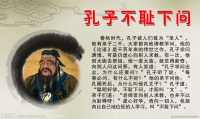
Analects of Confucius : poetry > do not feel ashamed to ask and learn from the rank and file; be modest enough to consult one's inferiors
Hesitate to ask
Explanation: Knowledge or status are pleased to learn from people lower than themselves, and not feel embarrassed. Usage: Verb-object type; as subject, predicate, object; with approval and humbly ask for advice described Source: Pre Confucius "The Analects of Confucius Gongye Chang": "sensitive and eager to learn, help in the field, is that the paper also." He Yan Annals: "under the question, Where have under that person." Examples: In the study, we have ~ spirit.
No. 2
不耻下问
Not to ask to be ashamed of themselves as sensitive and eager to learn, always ask questions.
Translated by Google
bù chǐ xià wèn
Not to the knowledge, status as their own people as a shameful thing to ask. Described as modest, studious
Translated by Google
No. 4
Sensitive and easy to learn, always ask questions. - "The Analects of Confucius Gongye Chang"
Translated by Google
No. 5
To the status of knowledge as their own people instead of humbly ask that unbecoming. "Analects of Confucius Gongye Chang": "Min and diligent, always ask, is that the text also." He Yan Ji Jie: "The next question, that any person in the already under." Jin Ge Hong "hold Puzi Qin seek" : "When a man reading the Five Classics, still should not hesitate to ask to Jinde duration, days with Ji-hee." "Travels," the seventh back: "You not only hesitate to ask, first need to ask the purpose of ru brother." Mao, "the working methods of Party Committees" : "We must not is not known, to 'always ask', should be good at listening to the views of the following cadres."
: feel not ashamed to learn from one's subordinates
n.: do not feel ashamed to ask and learn from the rank and file; be modest enough to consult one's inferiors, do not feel ashamed to ask and learn from the rank and file, be modest enough to consult one's inferiors
v.: not feel ashamed to ask and learn from one's subordinates
Thesaurus
show neither inferiority nor superiority, Mindful, be extremely open-minded, avoid conceit and impetuousity, be modet and prudent, Pride hurts Him Benefit, A modest bootstrap amplifier, Yiqiankuiying, Better Better be a piece of broken jade than unbroken tile, proof drag out an ignoble existance, character, ability to appreciate a person's character and capability, Steadfast in upholding its, Modesty To listen
Antonym
no one dare harm me— an arrogant boast, cringe, grovel, forget, forget oneself, overweening, Chengyanhouse, be more worthiless than pigs, ingratiate oneself with someone to gain one's ends, docile and obedient, Mo to the poisonous, Yingyinggougou, make a laughing stock of oneself before experts, give an expert cause for langhter, flatter greet, Flatter Song from, Ah Shun Yung taken, cockiness
Containing Phrases
Min and curiousness do not feel ashamed to ask and learn from the rank and file; be modest enough to consult one's inferiors